
Indo Islamic Heritage


Jahaz Mahal in Mehrauli, Delhi is well-connected by various modes of transport. The nearest railway station is Hazrat Nizamuddin Railway Station, about 15 km away. The closest metro station is Qutub Minar Metro Station on the Yellow Line, just around 1.5 km from Jahaz Mahal. For bus services, the nearest major bus stand is Mehrauli Bus Terminal, which is within walking distance. The closest airport is Indira Gandhi International Airport (IGI), approximately 15–17 km away, easily reachable by road or metro.
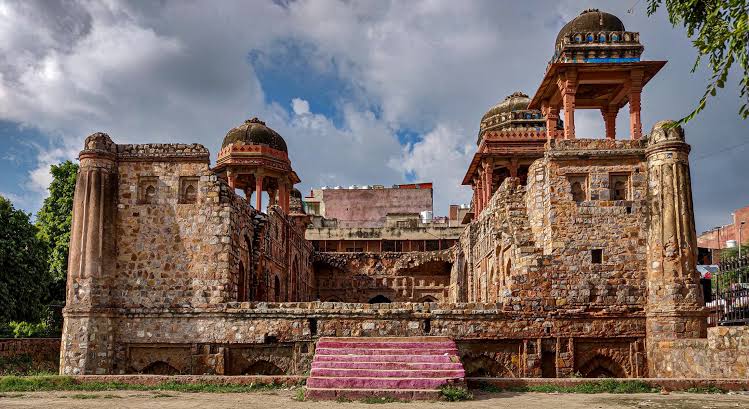
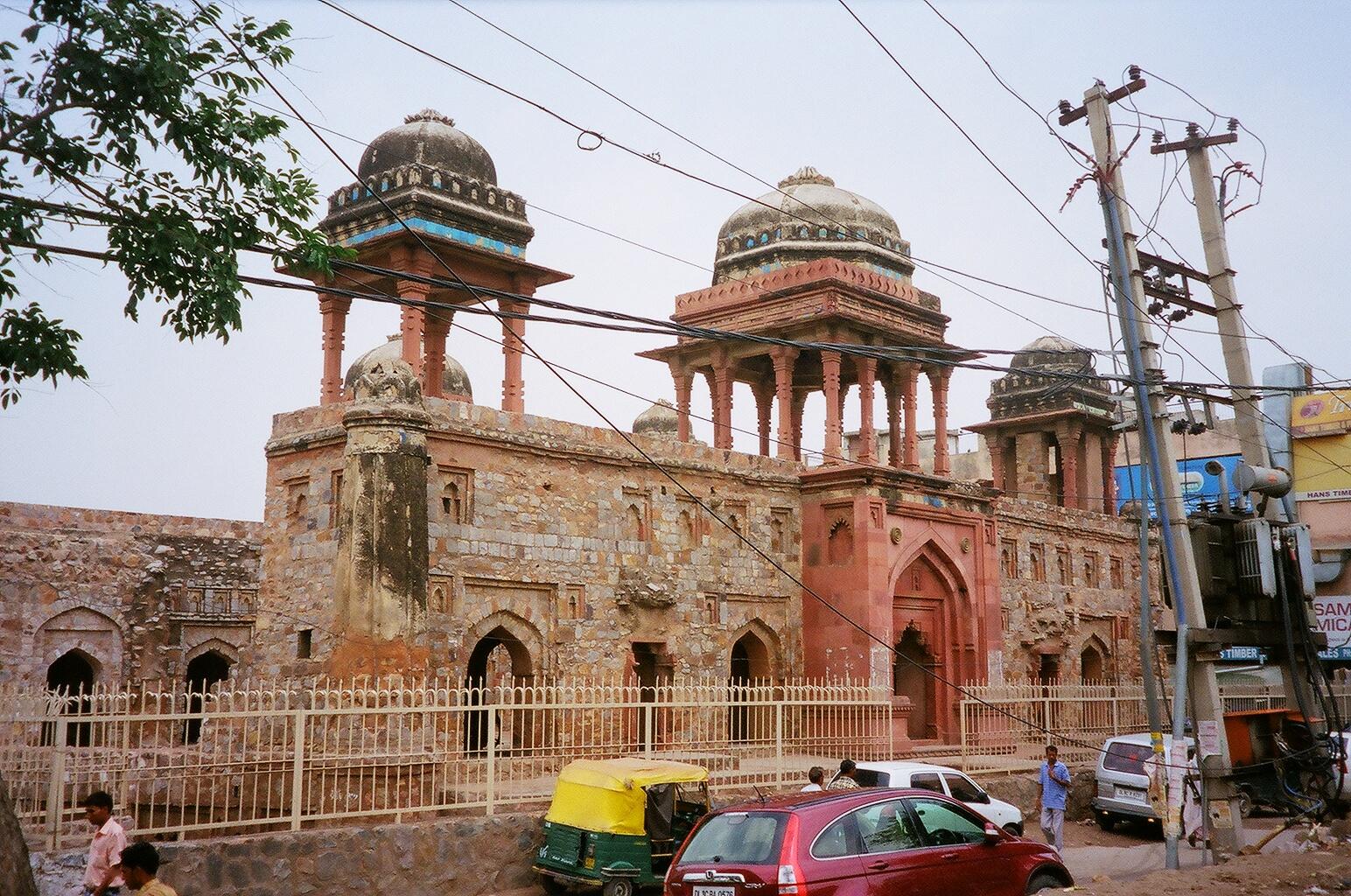
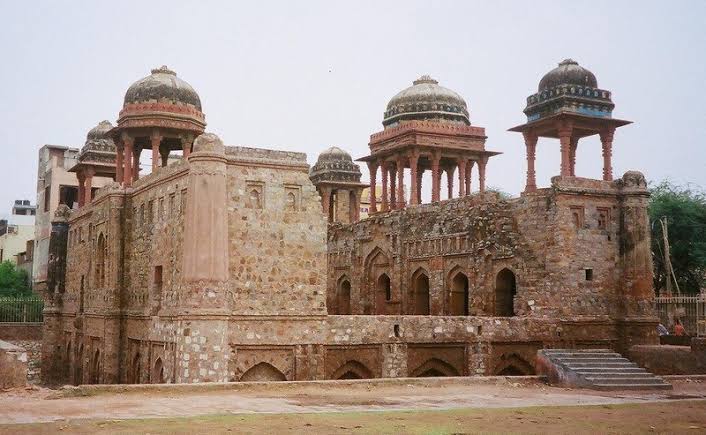
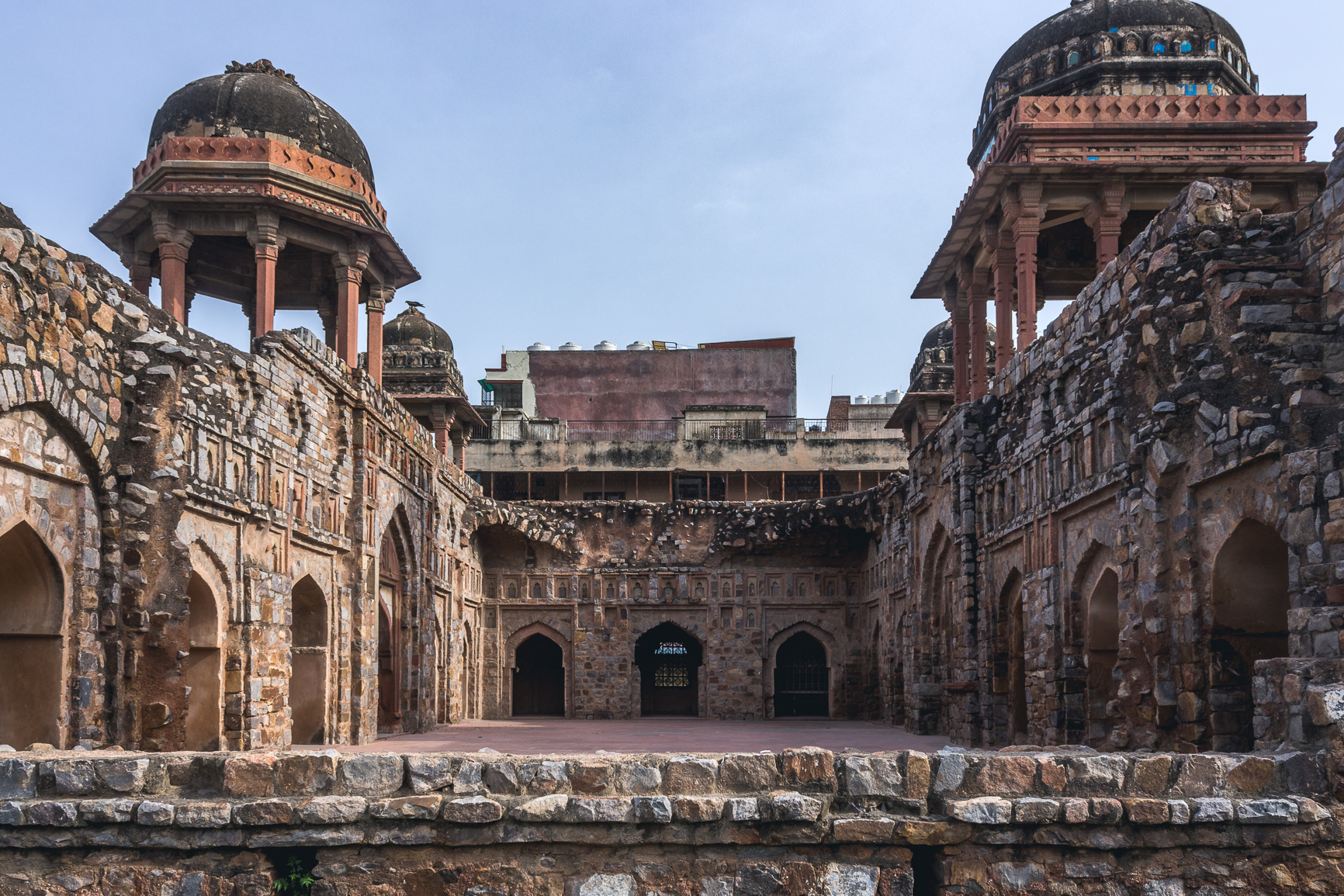
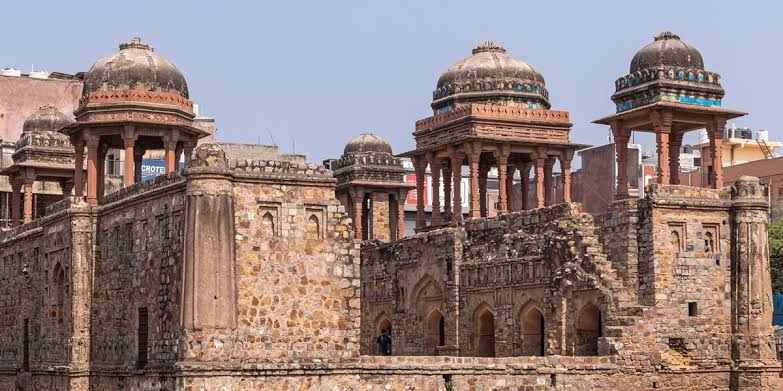
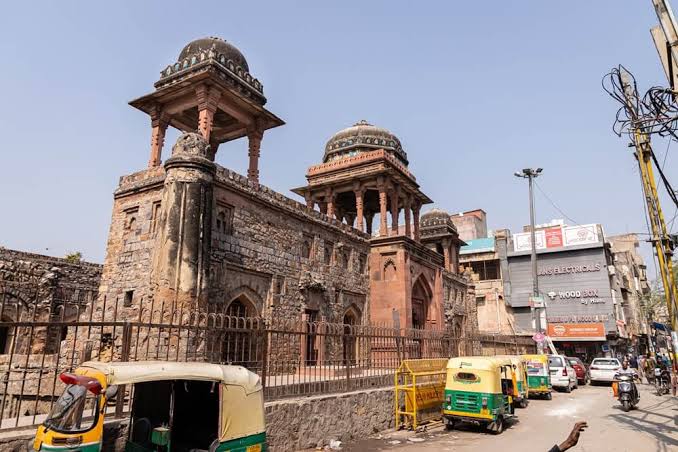
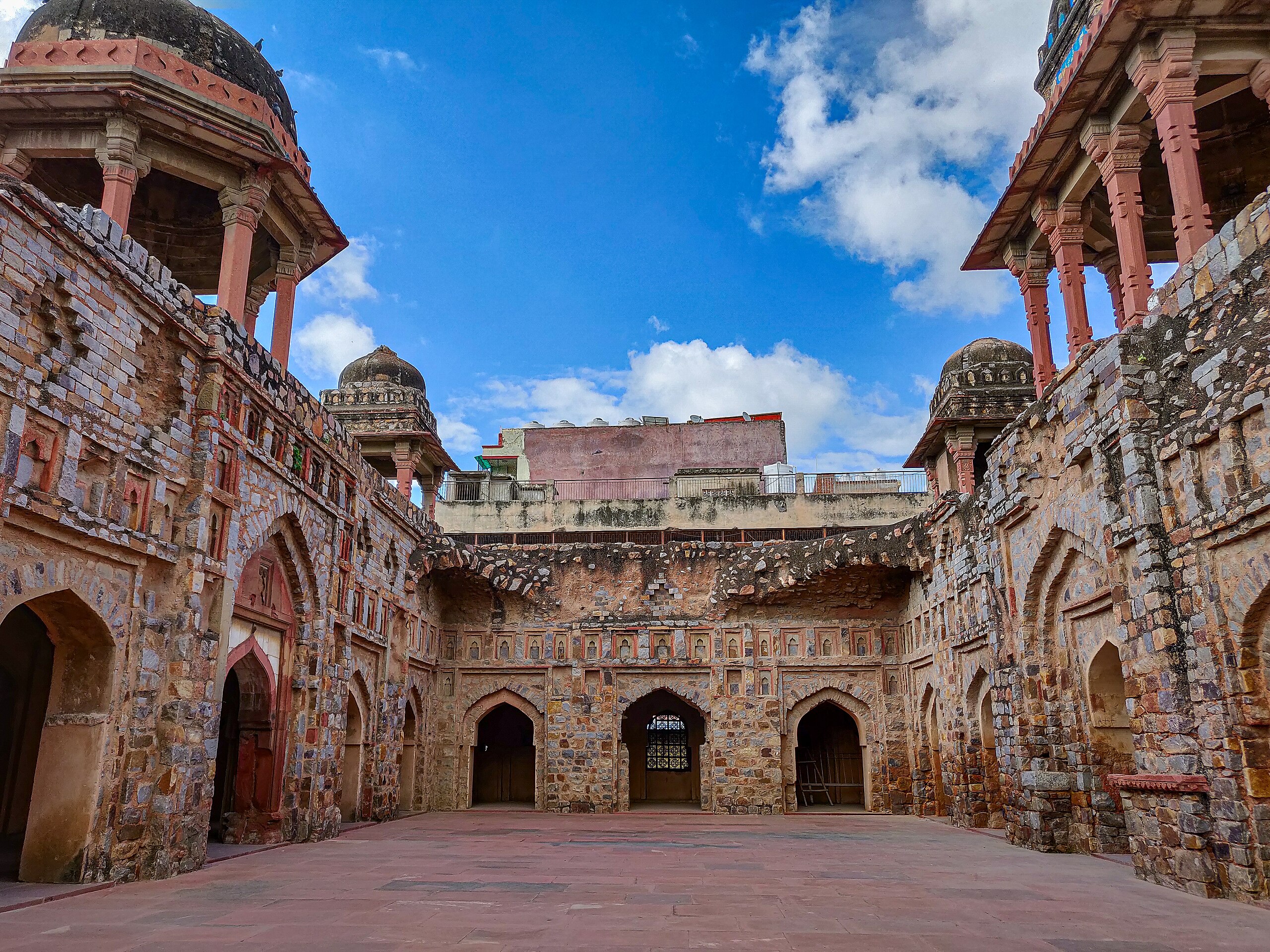
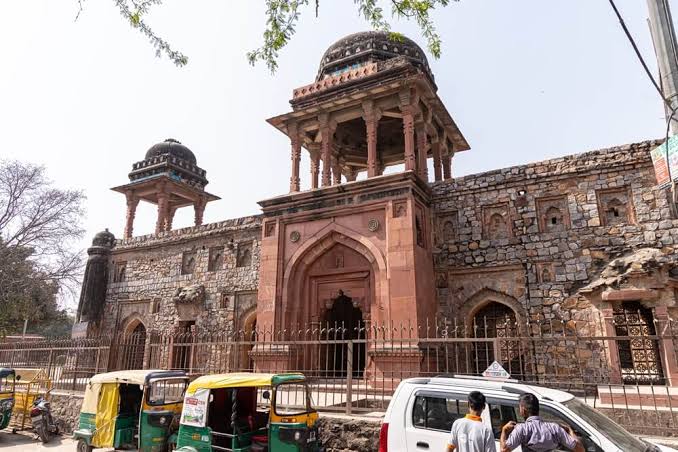
Jahaz Mahal: The Ship Palace of Mehrauli, Delhi Jahaz Mahal, meaning "Ship Palace" (with Jahaz meaning "ship" and Mahal meaning "palace"), is located next to the Hauz-i-Shamsi reservoir in Mehrauli, Delhi, on its northeastern corner. The monument gets its name from the illusion created by its reflection in the surrounding waters, which makes it appear like a ship floating on a lake. It is believed to have been built during the Lodi dynasty period (1452–1526) and served as a pleasure resort, a Sarai (inn), or a resting place. One reason for its construction was to provide transit accommodation to pilgrims from regions like Afghanistan, Arabia, Iran, Iraq, Morocco, and Turkey, who came to Delhi to visit various Muslim shrines. Another belief is that it served as a summer retreat for the Mughal emperors Akbar Shah II and Bahadur Shah II and their families, offering them a place of rest away from the scorching heat and dust of Delhi. Jahaz Mahal also serves as the venue for the annual festival Phool Walon Ki Sair (meaning "Procession of the Florists"), also known as Sair-i-Gulfaroshan. This vibrant event is held in October. During the festival, a procession of flower-adorned pankhas (fans) begins from Mehrauli at the outlet of the Hauz-i-Shamsi tank, called Jharna. The first stop is at the Yogmaya Temple for an offering of the flower fan, followed by a visit to Jahaz Mahal, and finally concluding at the dargah of Hazrat Qutbuddin Bakhtiar Kaki, where the fans and a ceremonial chaddar are offered. The festival represents the rich syncretic culture of India, blending Hindu and Muslim traditions. It was initiated by Emperor Akbar Shah II in 1820 and later popularised by his successor, Bahadur Shah II. Although it was discontinued in 1942 during British rule, it was revived in 1961 by India's first Prime Minister, Pandit Jawaharlal Nehru.
Year of Built: 15th Century
Address: Talaab lane, Aam Bagh, Khandsa Colony, Mehrauli, New Delhi, Delhi
Country: India
State: Delhi
District: South Delhi
Pincode: 110030
Longitude: 77.1785°
Latitude: 28.5142°