
Indo Islamic Heritage


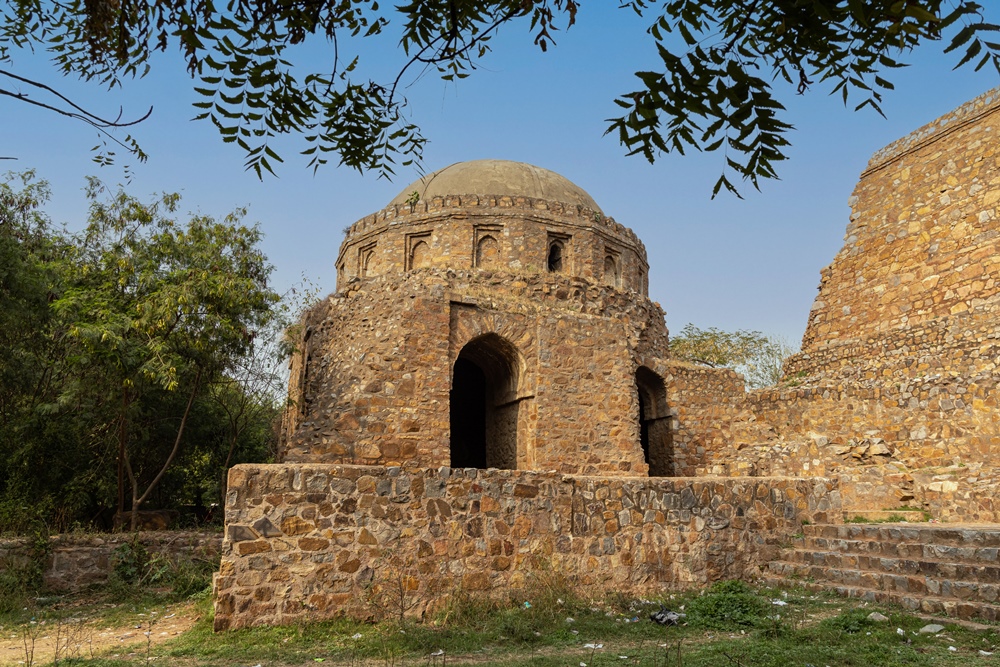
Bijay Mandal, often overshadowed by the more famous monuments of Delhi, remains a silent witness to the architectural grandeur of the Tughlaq dynasty. Constructed by Sultan Muhammad bin Tughlaq during his ambitious plan to establish Jahanpanah, the structure was intended to be a symbol of his power and foresight. However, over time, the site has faded into obscurity, largely unnoticed amidst the rapid urban development that has enveloped it. The significance of Bijay Mandal lies not just in its architectural style but also in the context of the city it was a part of. Muhammad bin Tughlaq?s vision for Jahanpanah was to create a new fortified city that would offer strategic advantage, as well as symbolically reflect the Sultan's grandeur. Bijay Mandal, with its imposing ruins, stands as a testament to the Sultan?s aspirations, though the city itself never fully realized its potential. The Nearest Bus Stand - Panchsheel Enclave , The Nearest Metro Station - Hauz Khas, Nearest Railway Station- Nizamuddin Railway Station Railway Station Nearest Airport- IGI
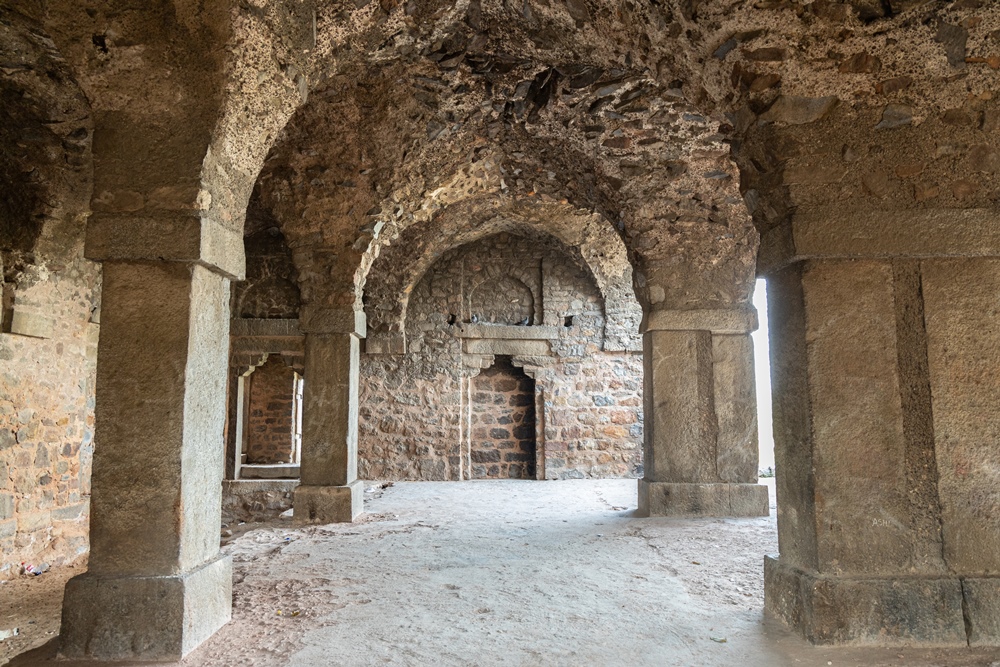
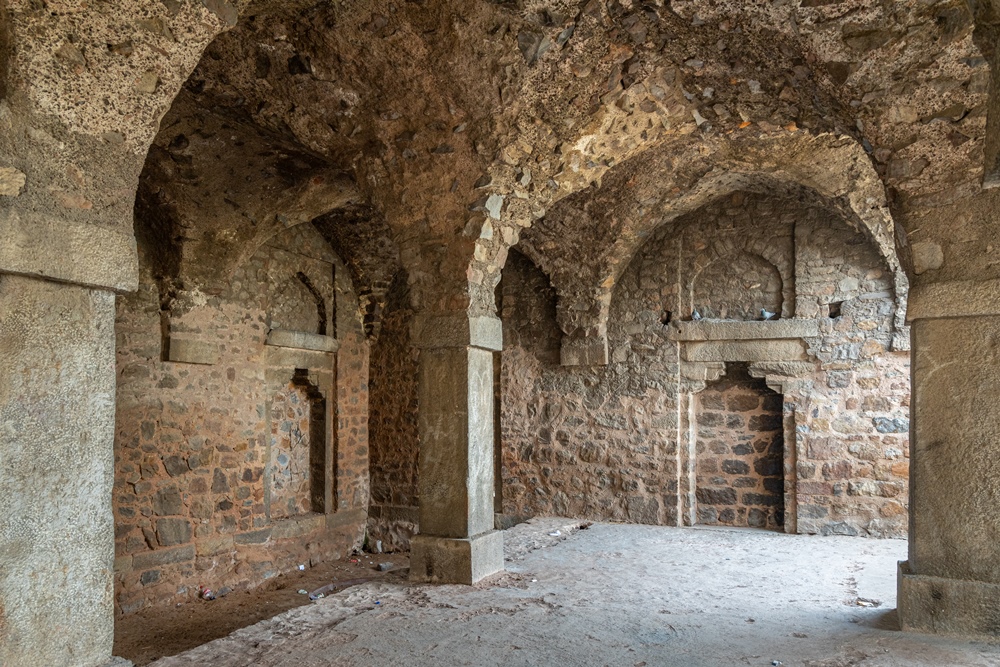
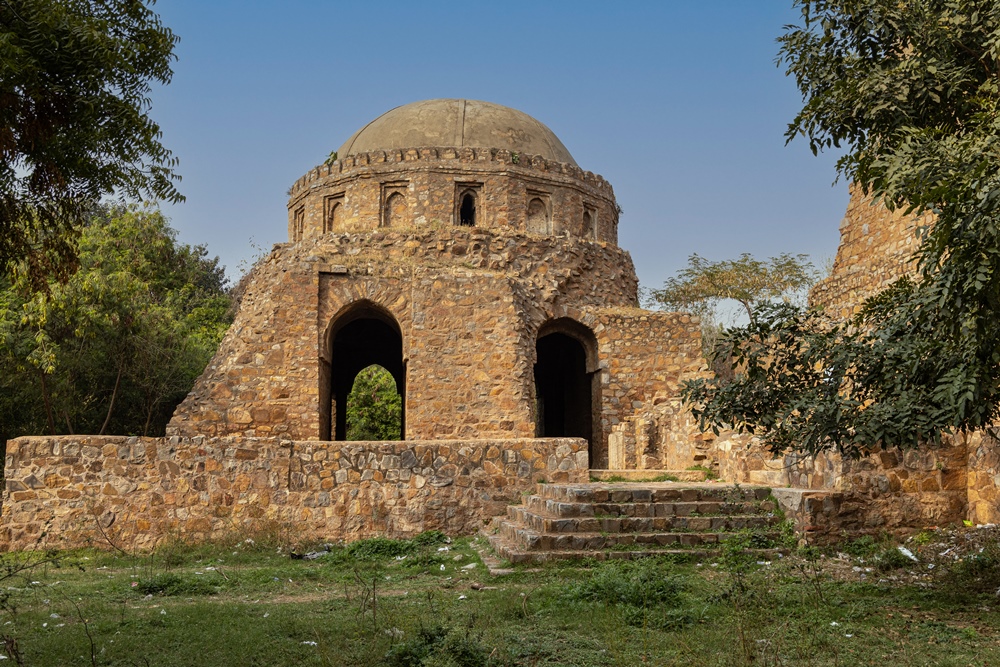
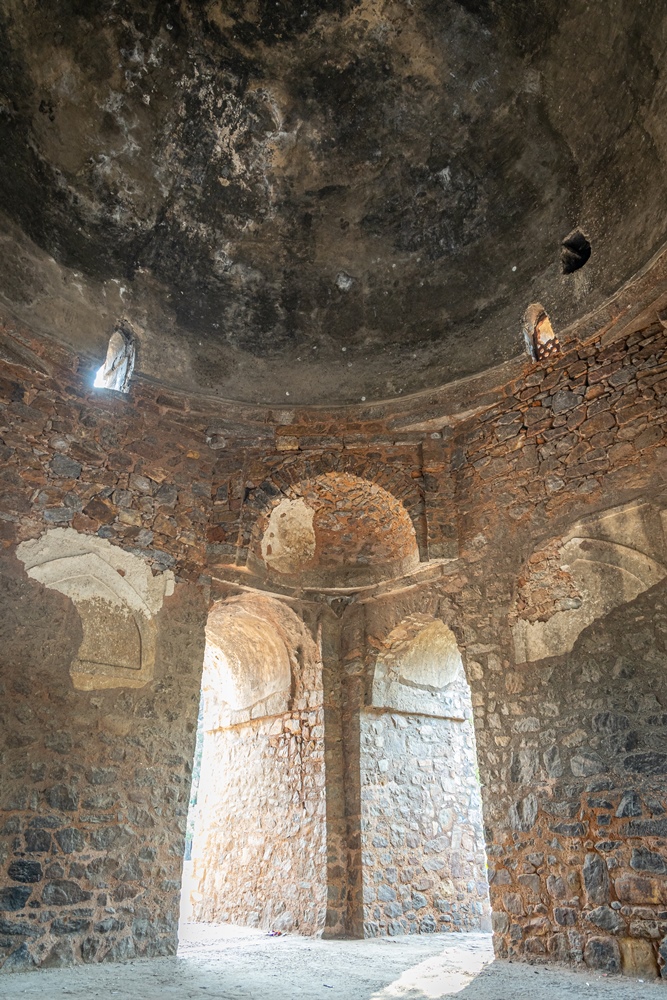
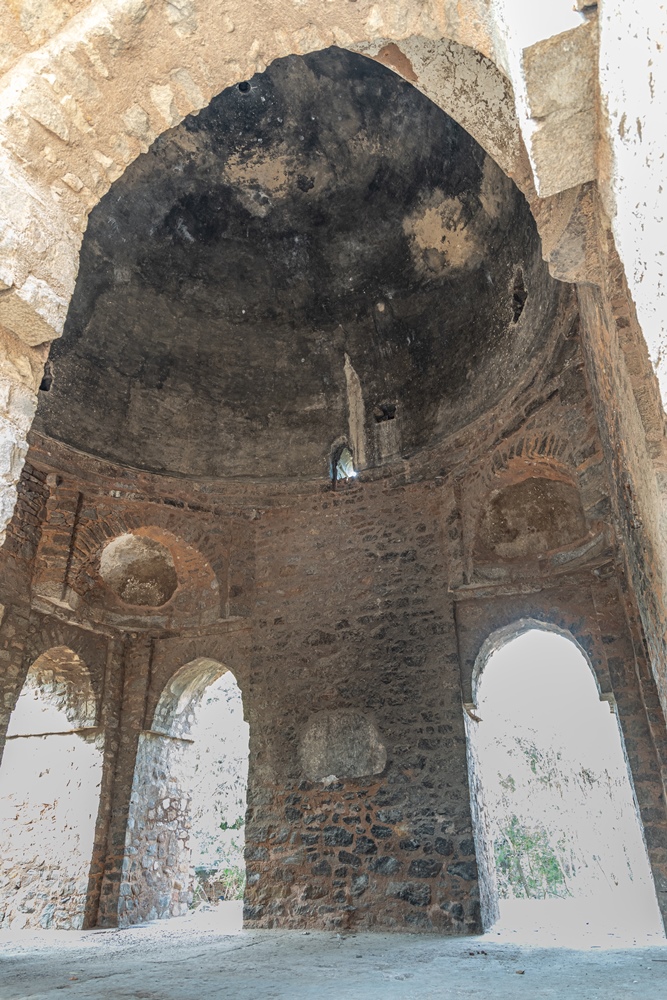
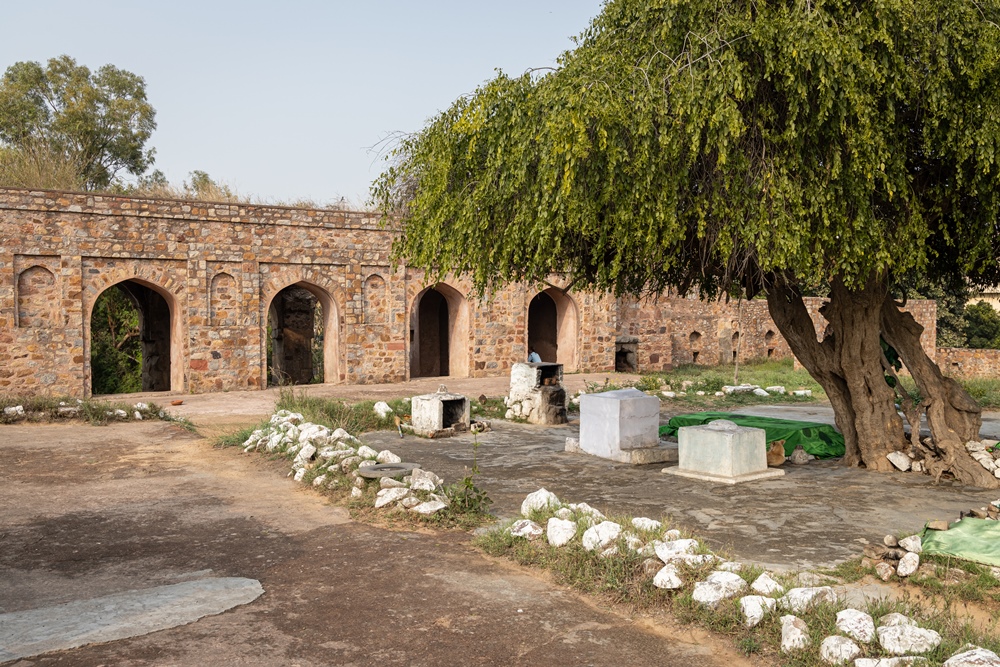
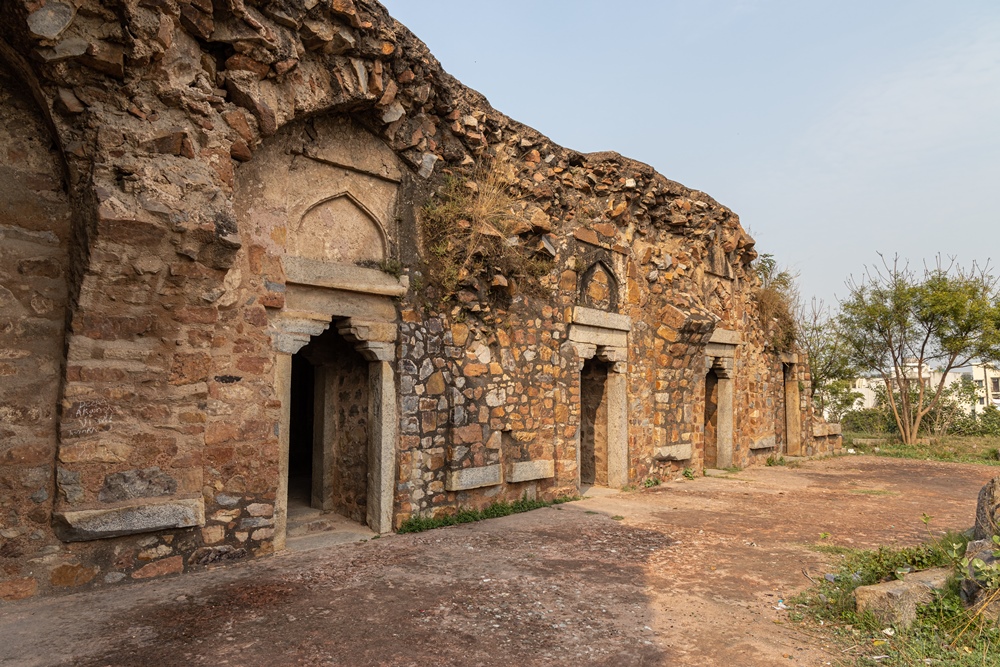
Bijay Mandal, located in the heart of Jahanpanah, the fourth medieval city of Delhi, is one of the most enigmatic historic structures in the city. The complex, which has undergone numerous alterations throughout its history, presents a significant challenge for scholars and archaeologists in unraveling its original purpose and function. Although it is widely believed to be part of the palace of Muhammad Bin Tughlaq, a definitive understanding of its use remains elusive due to the lack of extensive archaeological investigations. The paucity of concrete evidence is compounded by the scarcity of documentary references. Ibn Battuta, the famous Muslim traveler and scholar, mentions the palace in his accounts of India during the 14th century, but his description is vague, offering little detail about its architecture. He only notes that the palace had three gates, with the last one being of particular significance. The construction of the building itself adds to the mystery. The remains suggest that it was originally built with wood, a choice that, though difficult to interpret today, indicates that the building may not have been intended as a permanent structure. The rotting of wooden posts would leave behind circular stains in the ground known as "post holes," but these marks can be difficult to detect and interpret, particularly given the conditions of the site over time. The difficulty of imagining the structure?s appearance is further compounded by the lack of knowledge about domestic buildings from the 14th century, making it hard to reconstruct the hall's appearance, despite claims that it might have contained a thousand pillars. The use of wood, subjected to constant changes in temperature and humidity, suggests that the hall may have been a temporary structure rather than a long-lasting one, though this remains speculative. Today, the ruins of Bijay Mandal stand amidst the residential buildings and daily hustle of New Delhi, with little to indicate that it was once the seat of the powerful Tughlaq dynasty. The complex, which once housed the "Thousand-Pillared Palace," now consists of a large structure crowned by an octagonal pavilion that overlooks a smaller, domed building whose function remains unknown. Upon entering the palace remains, visitors can ascend a steep, half-broken staircase that leads to the first level of the fort. Another set of stairs takes them to the top of the pavilion, where they are rewarded with stunning panoramic views of the city. Standing atop the pavilion, one can imagine what it must have been like when Muhammad-bin-Tughlaq himself surveyed his kingdom from this vantage point, a reminder of the once-great power that resided in this now forgotten fort complex.
Year of Built: 14th Century
Address: Kalu Sarai, New Delhi, Delhi
Country: India
State: Delhi
District: South Delhi
Pincode: 110016
Longitude: 77.206492
Latitude: 28.54096