
Indo Islamic Heritage


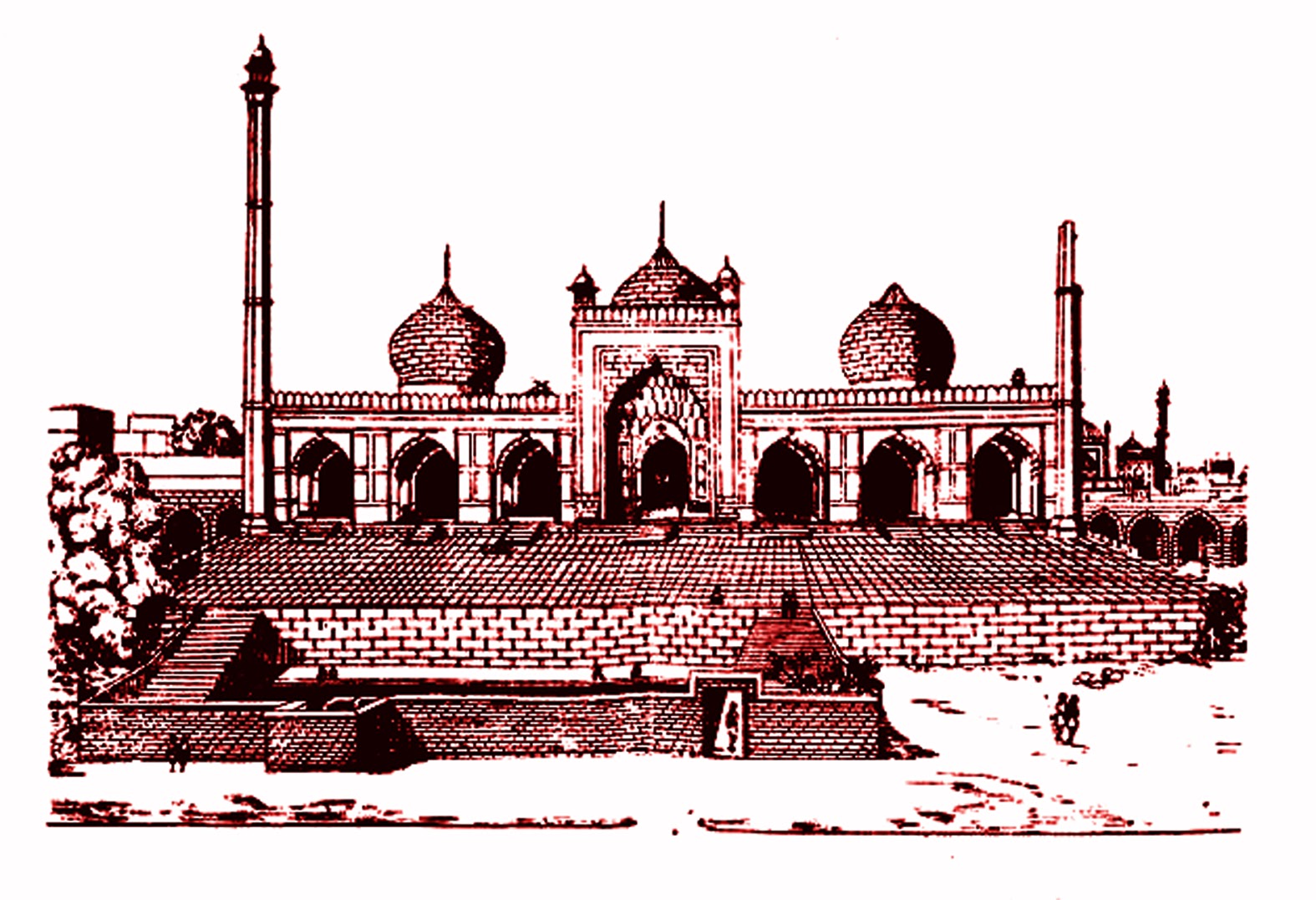
The Akbarabadi Mosque was indeed an important structure in the history of Delhi, particularly during the Mughal period. Built in 1650 by Akbarabadi Mahal, one of the wives of Emperor Shah Jahan, the mosque was a significant religious site in the heart of Old Delhi. The mosque's construction reflects the grandeur of Mughal architecture, with intricate designs typical of that era. The Nearest Bus Stand - Red Fort , The Nearest Metro Station - Jama Masjid, Nearest Railway Station- New Delhi Railway Station Railway Station Nearest Airport- IGI
The Akbarabadi Masjid, built by Shah Jahan?s wife Akbarabadi Begum in 1650, was a significant religious structure in Shahjahanabad, Delhi. It took two years to complete and became known for its association with the famous Muslim scholar Shah Abdul Qadir Dehlavi, the son of Shah Waliullah Dehlavi. He is said to have translated the Quran from Arabic into Urdu at this very site. The mosque was part of a larger trend of royal Mughal women building mosques in the city, including others like the Fatehpuri Masjid and Zeenat-ul Masjid. The Akbarabadi Masjid stood for over two centuries before falling victim to the British retaliation following the 1857 Uprising. During the revolt, Delhi was the epicenter, and the British destroyed numerous Mughal structures, including the Akbarabadi Masjid, which was reportedly a base for the mutineers. After the uprising, the mosque was demolished, and its debris was sold, later being used by Syed Ahmed Khan in the construction of the Sir Syed Mosque at Aligarh Muslim University. The exact location of the mosque remains uncertain, though many locals in the Netaji Subhash Park area of Old Delhi believe it was situated there. The historical significance of the mosque was reignited when, on 6 July 2012, during excavation for a Metro station in the area, workers discovered remains of medieval-era construction. The Archaeological Survey of India (ASI) confirmed that the remains were from the Mughal era, though it was not immediately clear whether they belonged to the Akbarabadi Masjid. The discovery sparked excitement among local residents, many of whom believed the remains were part of the mosque. In the wake of the discovery, the site became a focal point for religious activity, with local Muslims offering namaaz at the location. Attempts to reconstruct the mosque were initiated by local MLA Shoaib Iqbal but were halted by the Delhi government after legal orders. This led to protests, including stone pelting and minor arson when the police attempted to remove religious items from the site. In response to the growing tensions, the Delhi High Court intervened, issuing a ban on further construction or religious activities at the site, citing that the true identity of the remains had not been confirmed. The court also ordered the North Delhi Municipal Corporation (NDMC) to hand over the site to the ASI for further investigation. On 25 July 2012, the site was officially handed over to the ASI, though excavation work was delayed until after the monsoon season. The NDMC was instructed to demolish any illegal structures, and heavy policing was arranged to maintain order. Despite these efforts, the situation remained tense, with the ASI calling for paramilitary assistance to carry out the demolition of the illegal construction.
Year of Built: 16th Century
Address: Meena Bazaar, Jama Masjid, Chandni Chowk, Delhi,
Country: India
State: Delhi
District: Central Delhi
Pincode: 110006
Longitude: 77.2379
Latitude: 28.6499