
Indo Islamic Heritage


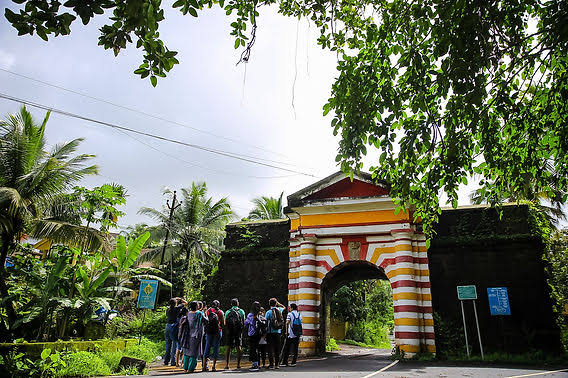
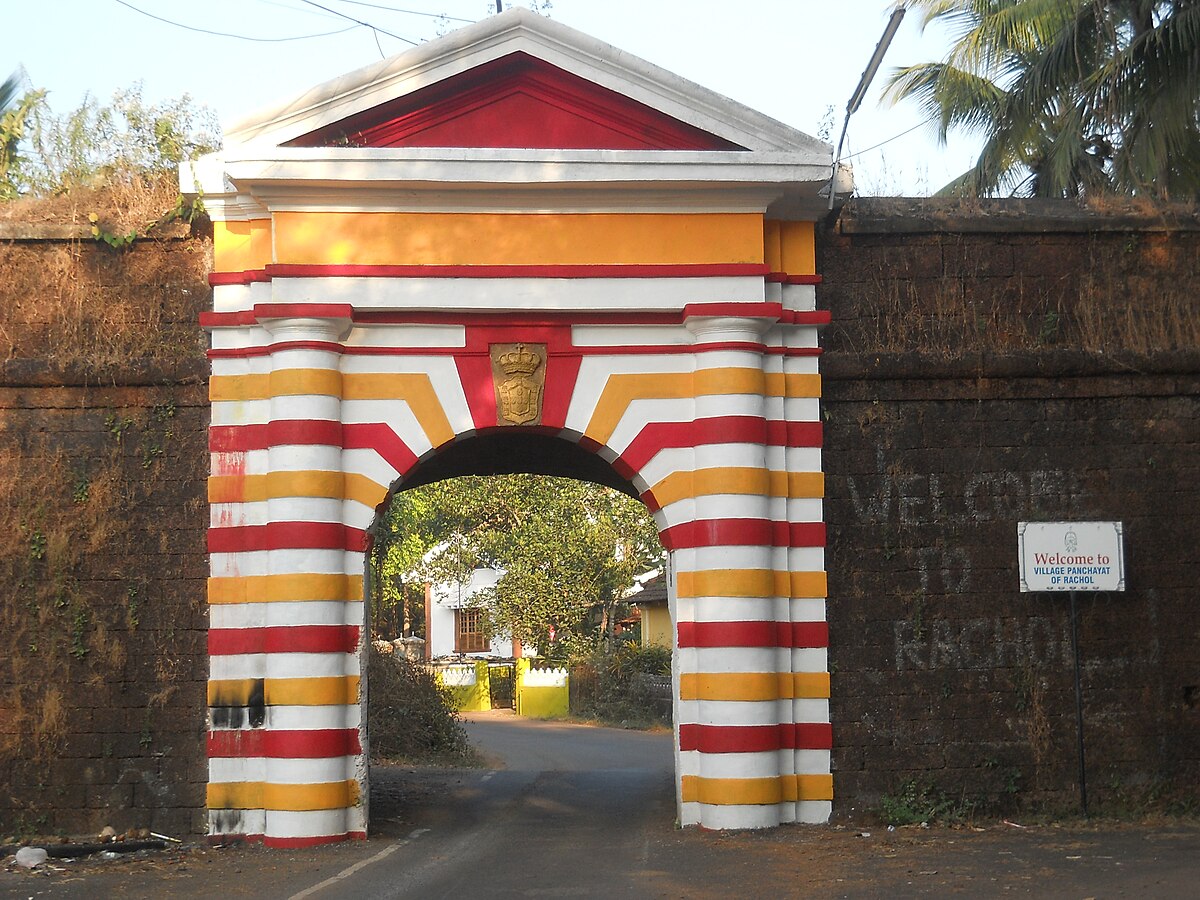
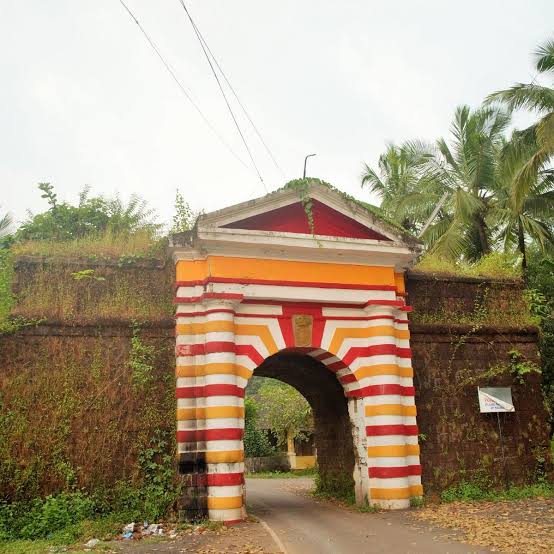
The nearest major railway station is Margao Junction, just 6–7 km from Rachol, with convenient local buses, taxis, or auto‑rickshaws available to take you directly to the village and fort area . The closest bus service is the Rachol village bus stop, served frequently by Kadamba state buses from Margao, Panaji, and Vasco—followed by a short walk (about 5 minutes) to the fort gate . For air travelers, Dabolim International Airport is around 27–35 km away; a taxi ride typically takes under an hour, while buses via Panaji to Margao offer a budget-friendly alternative . Once in Rachol, the fort is easily reached by foot from the village center or seminary, with ample signage guiding you to the historic gateway.
Rachol Fort, perched beside the Rachol Seminary in Salcette, South Goa, began as a strategic stronghold built by the Bahmani Sultanate in the mid‑15th century to guard the left bank of the Zuari River . In 1520, the victorious Vijayanagara ruler Krishnadevaraya ceded it to the Portuguese in exchange for assistance against Bijapur . Under Portuguese control, it was reinforced and equipped with over 100 cannons, serving as a formidable defense and witnessing key conflicts, including a successful repulsion of Maratha forces under Sambhaji in 1684—an achievement commemorated by an inscription placed by Viceroy Count of Alvor . The fort later underwent renovations in 1604 and 1745 before its cannons were relocated and it was eventually abandoned, leaving only the dramatic roadside gateway, parts of the moat, and fragments of the walls intact—now protected as heritage monuments . This somber ruin, nestled amid lush greenery, offers visitors both scenic charm and a poignant glimpse into Goa's rich mosaic of Bahmani, Vijayanagara, and Portuguese legacies.
Year of Built: 15th - 16th Century
Address: Fr. Agnelo Road, Rachol, Salcete, South Goa, Goa – 403719, India
Country: India
State: Goa
District: South Goa
Pincode: 403719
Longitude: 74° 0′ 16″ E
Latitude: 15° 18′ 30″ N