
Indo Islamic Heritage


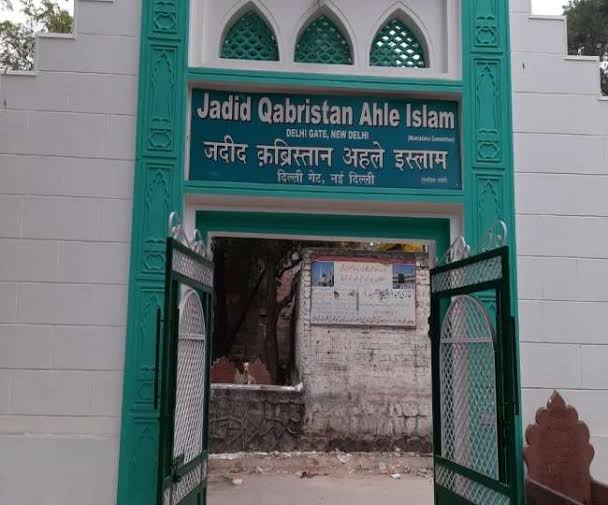
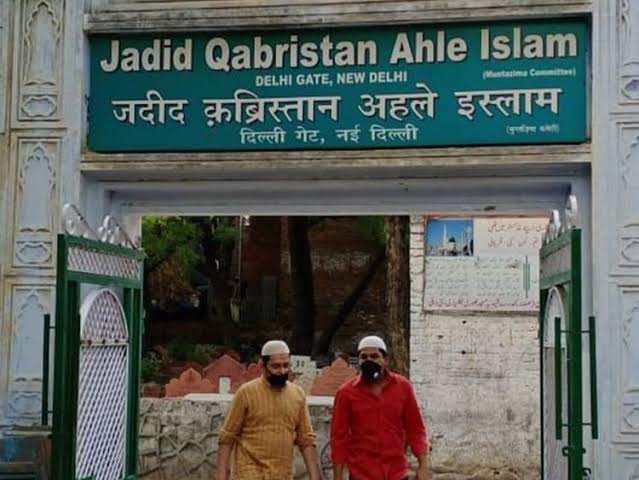
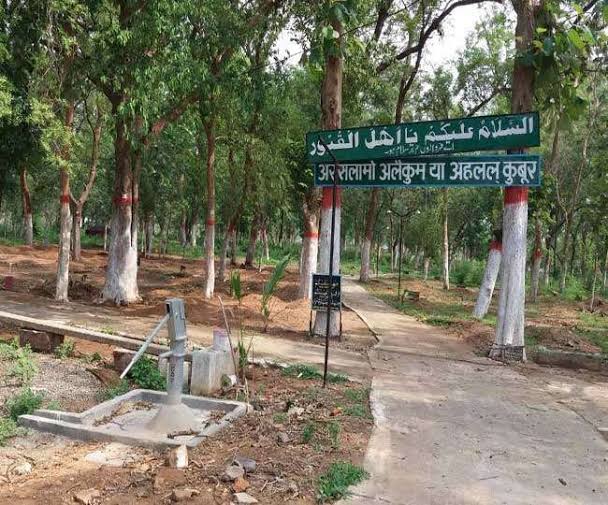
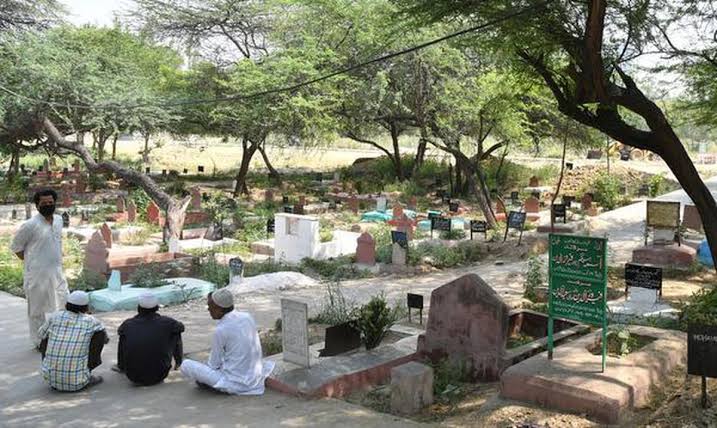
Delhi Gate Qabristan is very well-connected to Delhi’s transport network: the nearest metro station is ITO on the Violet Line, about a 5-minute walk away, while Delhi Gate station is also within walking distance (~12 min on foot) . The closest bus stop is at Express Building, merely a 3-minute stroll from the shrine, with many DTC bus routes serving the area . For train travelers, the nearest Indian Railways station is Tilak Bridge, roughly 14 minutes on foot . If you're arriving by air, the most efficient transit is via the Airport Express Line: disembark at IGI Airport metro station, transfer at New Delhi station, and catch the Violet Line or walk/rickshaw to Delhi Gate—total travel time is under 60 minutes and fares are very affordable .
Delhi Gate Qabristan, also known as Jadid Qabristan Ahle Islam, is one of the oldest and most historically significant Muslim cemeteries in Delhi. Located near Delhi Gate on Bahadur Shah Zafar Marg, just outside the walled city of Shahjahanabad (Old Delhi), the graveyard traces its origins to the Mughal era, with roots that go as far back as the Tughlaq dynasty. Traditionally, Islamic burials took place outside city walls, and this site gradually evolved into a central burial ground for the residents of Old Delhi. Over the centuries, it has become the final resting place for thousands of people, including notable poets like Mushir Jhinjhianvi, scholars like Yunus Jaffery, and iconic local figures such as Kallu Nihariwale, a legendary cook from the area. The cemetery carries a deep sense of community, with many graves marked by headstones that mention not only names but also the narrow lanes of Old Delhi where the deceased once lived. The Qabristan is well-maintained despite pressures of urbanization and space constraints. It includes specific enclosures, such as one for stillborn infants, and has adapted to modern challenges with the establishment of a separate section for COVID-19 casualties during the pandemic. However, the cemetery has also faced issues like grave reuse due to limited space and rising burial costs. Despite these challenges, it remains a powerful cultural and spiritual symbol for Delhi’s Muslim community, reflecting the continuity of tradition in a rapidly changing urban landscape. Visiting the site offers a unique glimpse into the layered history of Old Delhi, where each grave tells a story of a life lived in the heart of the city.
Year of Built: 19th Century
Address: Behind Times of India building, Bahadur Shah Zafar Marg, Balmiki Basti, Vikram Nagar, New Delhi – 110002, India
Country: India
State: Delhi
District: Central Delhi
Pincode: 110002
Longitude: 77.24457
Latitude: 28.63062