
Indo Islamic Heritage


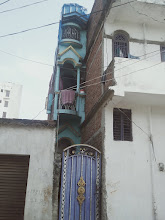
Located in the quieter lanes of Swami Sahajanand Colony in Bhagwanpur, Muzaffarpur, Choti Masjid is a small but spiritually meaningful place of worship. Serving the nearby Muslim households, it offers a space for daily prayers, Jum’ah, and Ramadan taraweeh. Modest in size but rich in devotion, the masjid is known for its peaceful environment, clean premises, and strong sense of local unity. Though less known to outsiders, it stands as a vital symbol of community, reflection, and neighborhood togetherness in the expanding Bhagwanpur area.
In the semi-urban pocket of Bhagwanpur, near the growing residential zones of Swami Sahajanand Colony, Choti Masjid offers a calm, spiritual refuge for local residents. Hidden along an unnamed road branching off the main Bhagwanpur route, this small mosque may be unassuming in appearance, but it holds deep meaning for the handful of families who depend on it for their daily connection with faith. Often referred to by locals as “Choti Masjid” (literally “small mosque”), this masjid was built in the late 2000s, in response to the need for a nearby prayer space as the colony expanded. With new houses emerging and Muslim families settling in the Bhagwanpur area, walking long distances for prayer was a challenge — especially for the elderly and children. What began as a temporary tin-roofed prayer shelter gradually evolved into a permanent mosque through community donations and collective labor. The mosque is simple and compact, with a single rectangular prayer room that accommodates around 40–50 people. The exterior is painted in white and light green, and though it lacks minarets or domes, its structure is clean, functional, and respectfully maintained. Ceiling fans, clean prayer mats, and a wudu area with two taps serve the small congregation well. Five daily prayers are held, with regular attendance by nearby residents. The imam, a young local hafiz, leads salah and offers short reminders between prayers. Friday Jum’ah sees the highest attendance, with a few families from nearby colonies walking over for the sermon and prayer. The mosque takes on added significance during Ramadan, when iftar gatherings, taraweeh prayers, and nightly Qur’an recitations bring the community together. Local youth organize basic decorations and distribute food items for those fasting, turning the small space into a center of activity and reflection. The Choti Masjid also plays a modest role in Islamic learning, particularly for children. Evening Qur’an classes are held informally, where boys and girls learn to read and recite verses under the imam’s guidance. During school holidays, these sessions expand to include basic Islamic history and du’as. Despite its modesty, the masjid’s committee remains active, arranging routine cleaning, ensuring the lights and fans work properly, and collecting small donations for maintenance. A noticeboard outside lists prayer timings and important announcements, and neighbors take turns sweeping and watering the entrance courtyard. For the community of Swami Sahajanand Colony and surrounding Bhagwanpur lanes, Bhagwanpur Choti Masjid isn’t just a place to pray—it is a quiet center of belonging, faith, and shared purpose, gently anchoring lives in spiritual rhythm amid everyday life.
Year of Built: Circa 2008–2010
Address: Bhagwanpur Choti Masjid, Unnamed Road, Swami Sahajanand Colony, Bhagwanpur, Muzaffarpur, Bihar 842003, India
Country: India
State: Bihar
District: Muzaffarpur
Pincode: 842003
Longitude: 85.4204° E
Latitude: 26.1238° N