
Indo Islamic Heritage


The Jama Masjid Metro Station on Delhi Metro’s Violet Line lies just 300–400 m from the shrine, making it an easy 4–5 minute walk from Gate 3 ; the Delhi Junction (Old Delhi) railway station, established in 1864 and reconstructed in 1903, is about 2–3 km away (a 6‑minute drive or 20‑minute walk) and connects seamlessly via Chandni Chowk metro ; Old Delhi also has the smaller Dariyaganj rail halt closer still; DTC bus stops like “Jama Masjid” are right outside the mosque, with others at Subhash Park and Kotwali Darya Ganj a few minutes’ walk away; for air travel, Indira Gandhi International Airport (IGI) is the main gateway—accessed via the Airport Express or connecting metro lines from New Delhi or Kashmere Gate, with a journey to T3 taking around 20–30 minutes.
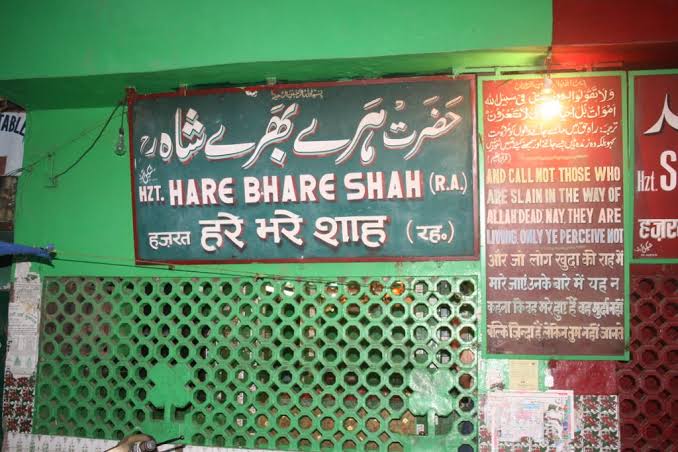
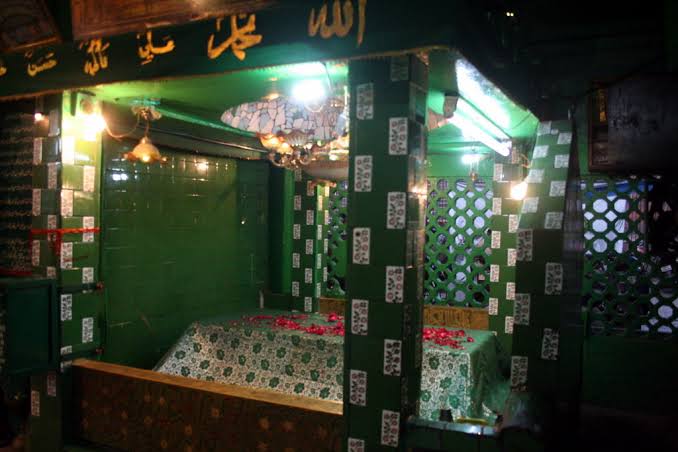
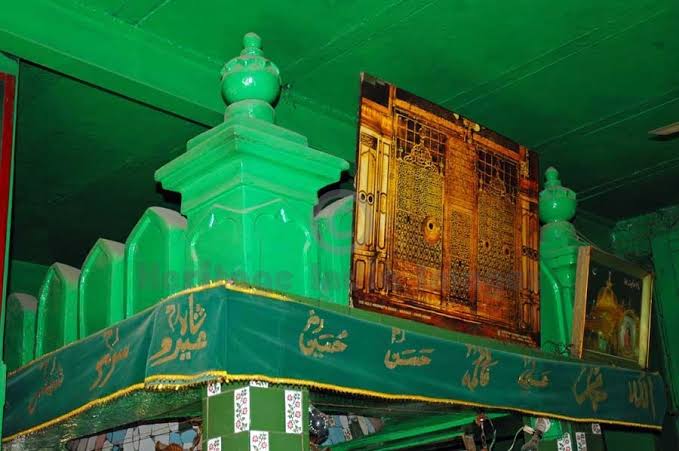
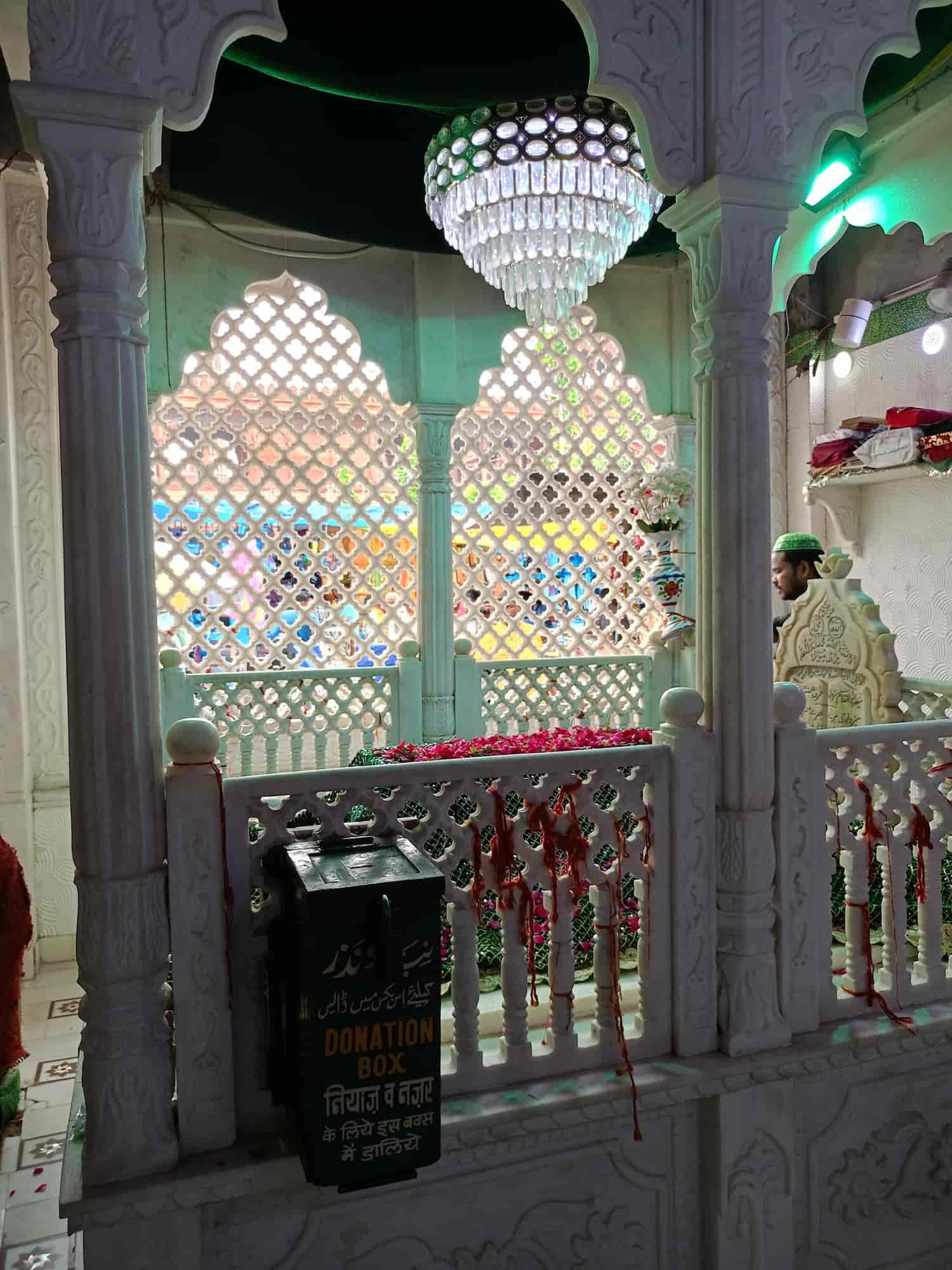
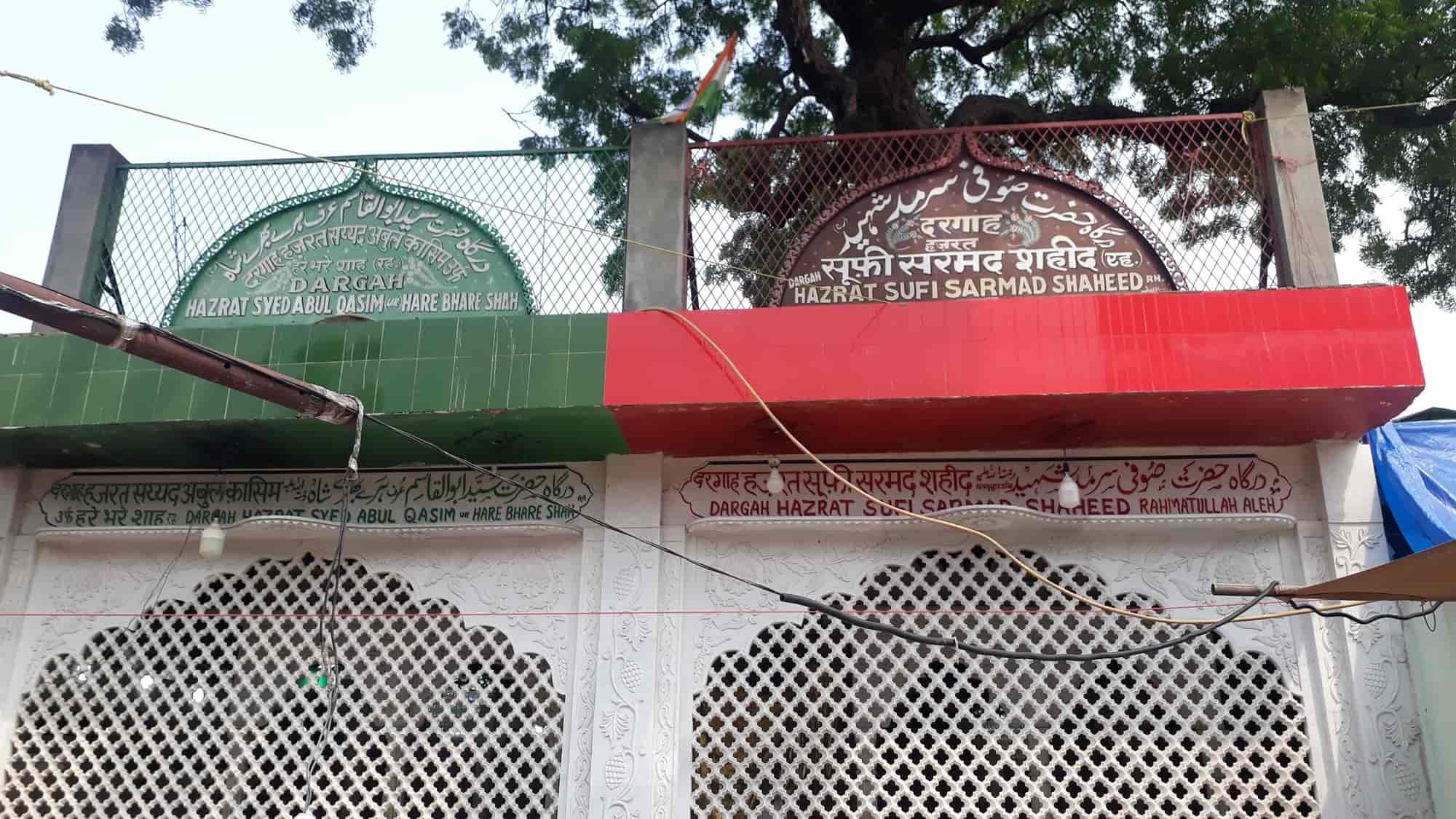
The Dargah of Hazrat Hare Bhare Shah, nestled at the eastern steps of Delhi’s historic Jama Masjid, is a modest yet profound twin-shrine that tells the intertwined stories of two revered Sufi mystics. One half, painted green, honors Khwaja Syed Abul Hasan—known as Hare Bhare Shah—whose name evokes the eternal freshness of a neem tree said to be over 500 years old and growing through the shrine’s roof . The other half, cloaked in crimson, memorializes his disciple Sarmad Shaheed, an Armenian Jew-turned-Sufi known for his asceticism, unorthodox devotion, and martyrdom by execution under Emperor Aurangzeb . A third, smaller grave belongs to Shah Mohammad Hinga Madani, another mystic in this lineage . The shrine’s setting is symbolic—the neem tree not only divides the red and green tombs but also anchors the living tradition of devotion here . Hare Bhare Shah likely lived during the eras of Mughal emperors Jahangir, Shah Jahan, and Aurangzeb and is said to have originated from Central Asia . His disciple Sarmad’s grave, marked in red, stands as testimony to his controversial life—marked by radical religious ideas, public nudity, devotion to mysticism, and eventual martyrdom by beheading, which his followers say concluded with him carrying his own head to Jama Masjid’s steps . Establishment of this dargah likely dates back to the mid-17th century, with the burials aligned with Mughal Delhi’s expansion. The complex, though originally vibrant in green and red tiles, fell into disrepair over time, prompting restoration efforts—including a recent pandemic-era renovation that replaced murals with white Makrana marble canopies reminiscent of the Taj Mahal . Today, the shrine remains a haven of spiritual ritual: daily prayers, constant floral offerings, and during the Urs (death anniversary), qawwali music fills the complex for two to three nights, celebrating the saintly “wedding” of the soul with the Divine . Though often overlooked amidst Old Delhi’s bustle, the Dargah of Hare Bhare Shah remains a living emblem of syncretic spiritual history, where mysticism, sacrifice, and devotion converge under an ancient neem tree.
Year of Built: 18th Century
Address: 15, Esplanade Road, Meena Bazaar, Jama Masjid, Chandni Chowk, New Delhi, Delhi 110006, India
Country: India
State: Delhi
District: Central Delhi
Pincode: 110006
Longitude: 77.2347 ° E
Latitude: 28.6511 ° N