
Indo Islamic Heritage


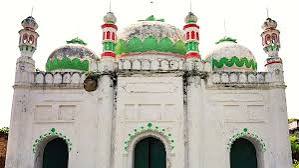
In Mari village of Nalanda, Bihar, stands a 200-year-old mosque lovingly preserved not by Muslims, but by local Hindus. Despite the Muslim population having left decades ago, Hindu villagers clean, repair, and ensure the Adhan is broadcast five times daily—using a recorded azan on a pen drive. The mosque remains open and treated as sacred, often visited before weddings or important events. This unique gesture of devotion and respect across faiths has made the mosque a powerful symbol of communal harmony, spiritual coexistence, and humanity’s shared values—silently preaching peace from a rural corner of India.
In a quiet village called Mari near Bihar Sharif in Nalanda district, there exists a mosque with no regular Muslim congregation—yet it remains alive with prayer. This mosque, believed to be around 200 years old, is lovingly maintained by the Hindu residents of the village who took over its care when the last Muslim families migrated out in the 1980s, likely due to communal tensions in the region. Far from being forgotten, the mosque has become a symbol of peace and communal harmony. The villagers not only clean the mosque regularly, but they have also arranged for the Adhan (Islamic call to prayer) to be played five times daily using a pen drive and speaker system. Since they don’t know Arabic, this digital solution was adopted to keep the spiritual tradition alive. The mosque’s walls are periodically painted, its floor swept, and the ablution area kept tidy. This mosque, locally revered, is now part of the community’s spiritual life. Villagers visit it before weddings, exams, or other important milestones, believing it brings blessings. Elders recount how, for generations, the mosque has been treated as sacred regardless of religious identity. They believe its presence protects the village from natural calamities, a sentiment that keeps the mosque at the center of community life. Inside, the mosque features a small mihrab, a prayer hall, and an adjoining mazar (tomb) which is visited by locals seeking blessings. The mosque lacks grandeur but carries a powerful presence. Its continued use without religious conflict or ownership claims makes it an exceptional example of interfaith respect. Children of the village grow up seeing this mosque not as “theirs” or “others’” but as part of their collective heritage. It stands across from homes with Hindu symbols, yet never faces disrespect. During festivals like Muharram or Eid, the village observes the day in quiet respect, even if no formal celebration occurs. What makes Mari’s mosque extraordinary is not just its physical preservation, but the spirit of humanity and inclusivity it represents. At a time when religious polarisation is on the rise, this small village offers a living lesson: faith does not require uniformity, only respect. No police presence, NGO, or government directive enforces this tradition—it is entirely community-led and self-sustained. Even in the digital age, the mosque has not been “claimed” online or added to formal directories. Yet it stands — immovable in its quiet dignity, humble structure, and profound impact. Villagers say they would rather let it fall than let hatred touch its walls. The Mari Village Mosque teaches us that religion can divide or unite, depending on the hands that carry it—and in Mari, those hands have chosen compassion.
Year of Built: Circa 1800s
Address: Unnamed Mosque, Mari Village, near Bihar Sharif, Nalanda District, Bihar, India
Country: India
State: Bihar
District: Nalanda
Pincode: 803101
Longitude: 85.5030° E
Latitude: 25.1976° N