
Indo Islamic Heritage


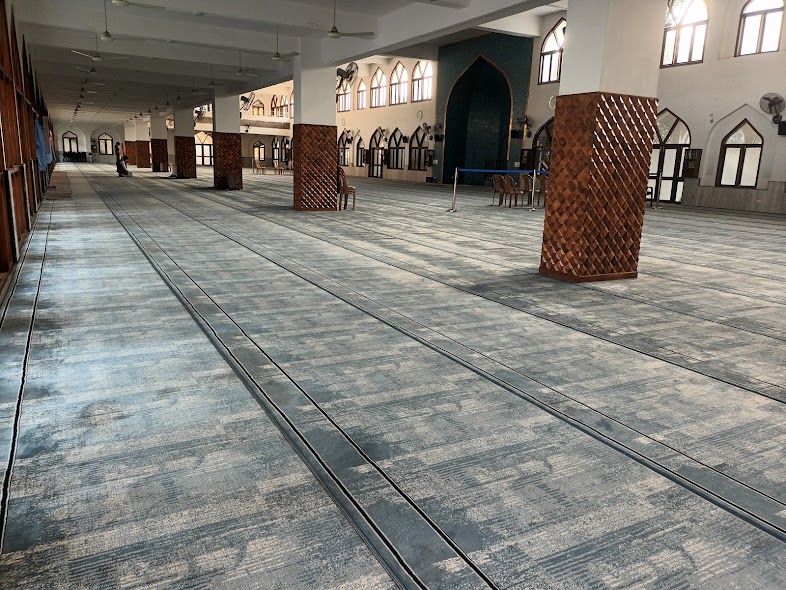
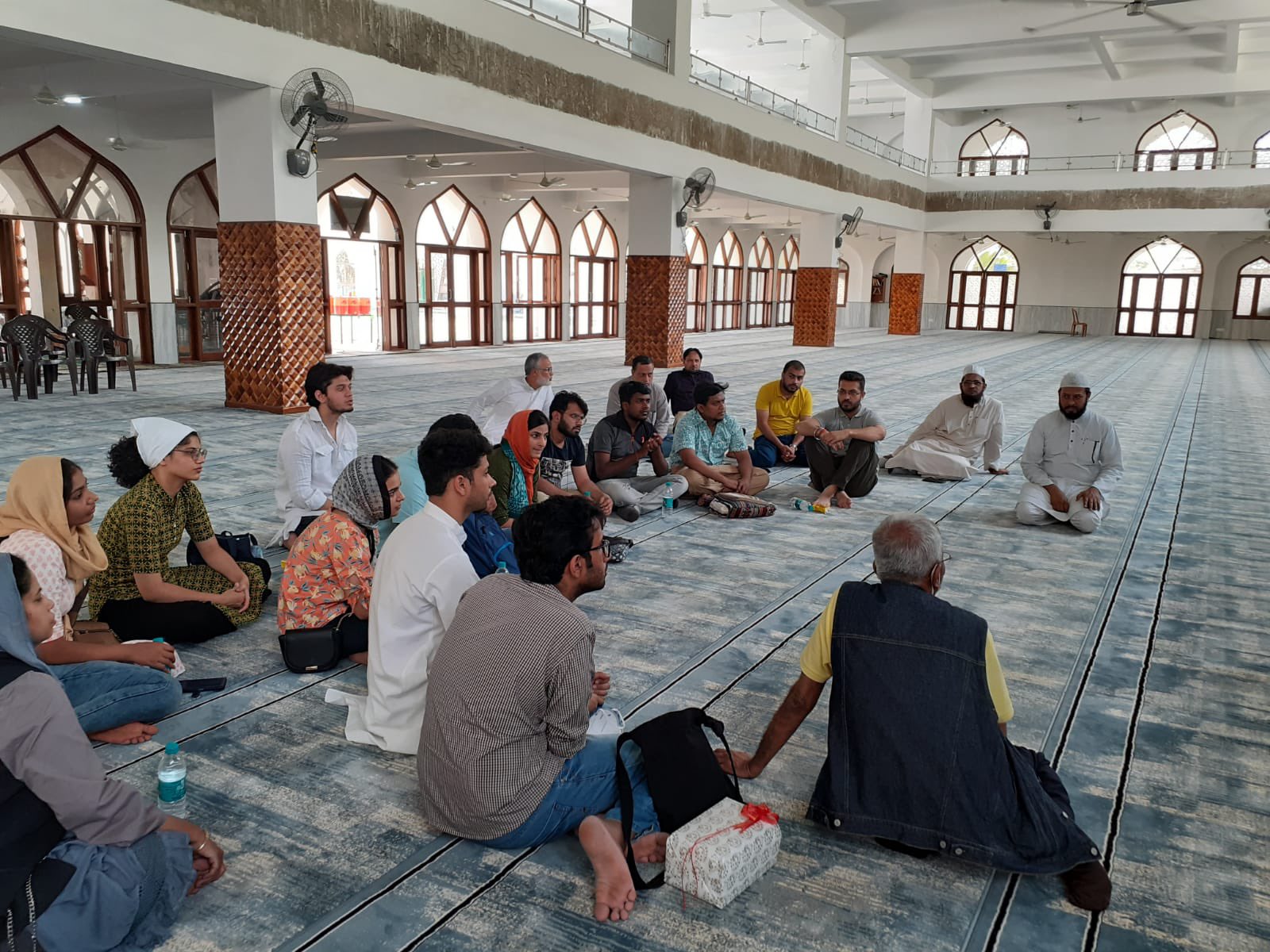
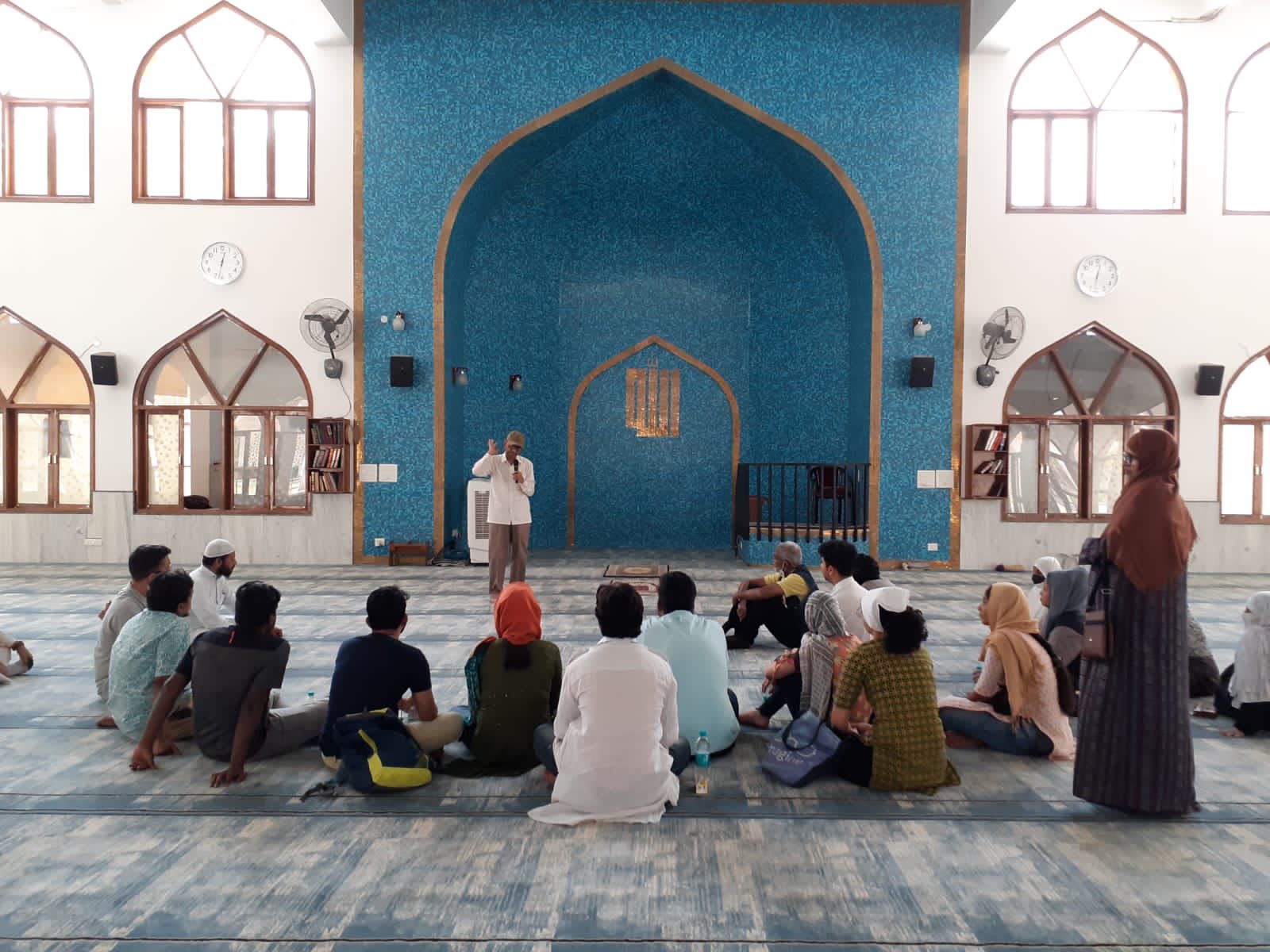

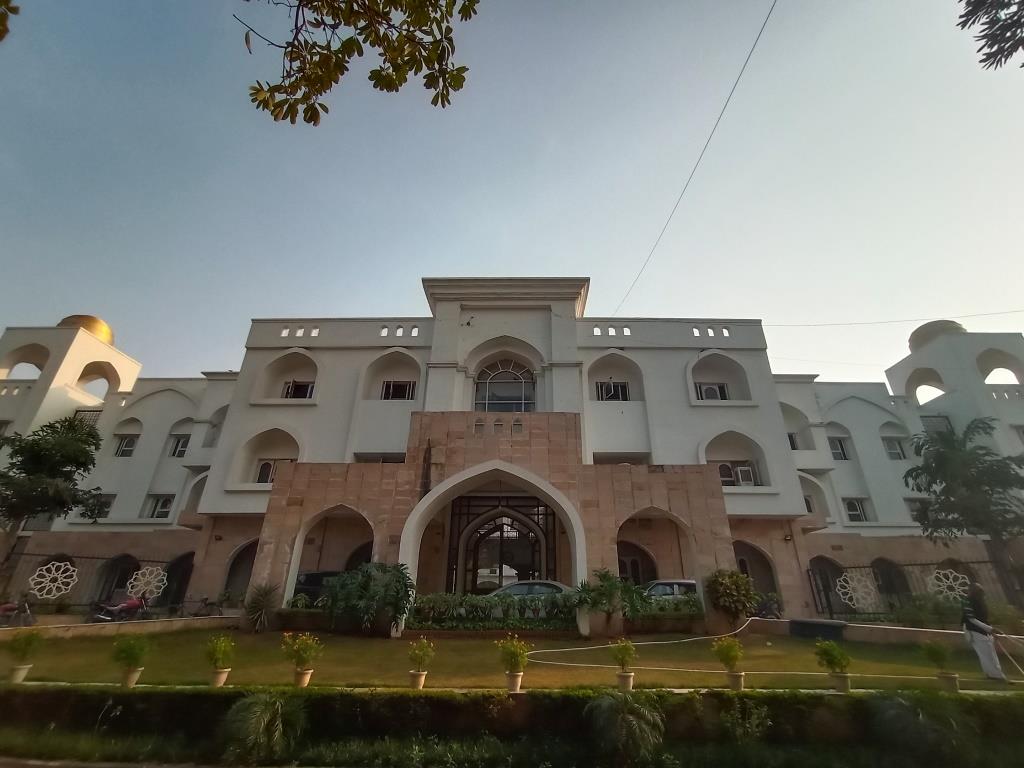
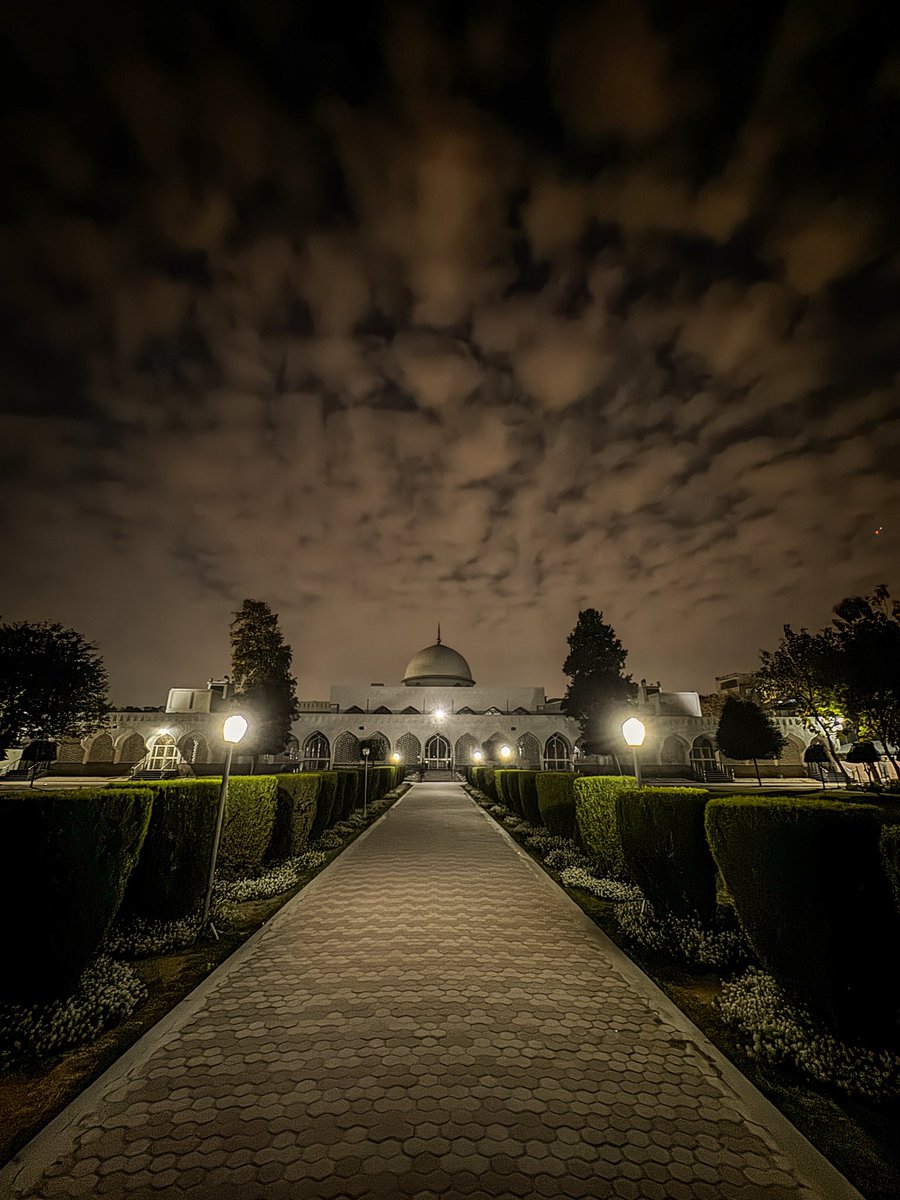
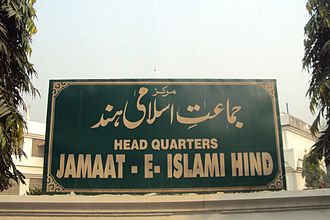
Jamaat-e-Islami Hind (JIH) headquarters, situated in the vibrant city of Delhi, represents an exemplary fusion of spirituality, cultural significance, and architectural brilliance. As a hub for religious, cultural, and social engagement, the headquarters exudes an aura of serenity and purpose. The building is an artistic marvel, intricately designed to embody Islamic architectural principles. Its elegant simplicity and balanced proportions resonate with the spiritual essence of Islamic culture. Key elements, such as geometric patterns, calligraphic embellishments, and symmetrical designs, integrate seamlessly with modern architectural styles, creating a structure that is both timeless and contemporary. The headquarters' welcoming atmosphere and visual appeal make it not only a functional space for the organization?s diverse activities but also a point of interest for those passionate about Islamic art and design. It serves as a beacon of unity and devotion, leaving a lasting impression on visitors and fostering a deeper appreciation for Islamic heritage. The Nearest Bus Stand - Okhla Bus Stand, The Nearest Metro Station - Okhla Vihar, Nearest Railway Station- Nizamuddin Railway Station Railway Station Nearest Airport- IGI
Jamaat-e-Islami Hind (JIH) is one of the largest and most influential Islamic organizations in India, rooted in a vision of religious and social reform. It emerged as a distinct entity following the partition of British India in 1947. Initially, JIH was part of the broader Jamaat-e-Islami movement founded in 1941 by Islamic scholar Maulana Abul Ala Maududi. However, the partition led to the division of this movement into Jamaat-e-Islami Pakistan and Jamaat-e-Islami Hind, with the latter formally established in 1948 to address the needs and aspirations of the Indian Muslim community. The organization?s central office, known as the Markaz, is located in Abul Fazal Enclave, Okhla, New Delhi, and serves as its administrative and ideological hub, guiding its nationwide operations. At its core, Jamaat-e-Islami Hind is guided by the ideology of Islamic revivalism. It seeks to create a society rooted in Islamic principles and values, aiming for spiritual, moral, and social transformation through peaceful and democratic means. The organization?s mission extends beyond religious teachings, embracing comprehensive social welfare and community service. JIH operates in various sectors, including education, healthcare, disaster relief, and poverty alleviation. It is dedicated to promoting social justice, supporting underprivileged communities, and fostering communal harmony in India?s pluralistic society. Education is a key pillar of JIH's activities. The organization runs a network of schools, madrassas, and educational institutes that integrate religious and secular studies, nurturing a generation of students equipped to contribute meaningfully to social, political, and religious spheres. In addition to education, JIH actively engages in Dawah (Islamic preaching), striving to spread awareness about Islamic teachings through public lectures, literature, and outreach programs. This effort is supported by its robust publications wing, which produces Islamic literature, magazines, and journals in multiple languages, including Urdu and English. These publications address contemporary issues from an Islamic perspective, offering insights on matters such as ethics, governance, and societal challenges. JIH also plays a significant role in social welfare, operating hospitals, clinics, and charitable initiatives. It provides disaster relief during natural calamities and works tirelessly to alleviate poverty and improve access to basic healthcare services. Despite its primary focus on religious and social reform, JIH maintains some degree of political engagement, emphasizing democratic and non-violent approaches to achieving its goals. Through interfaith dialogue and efforts to promote communal harmony, the organization seeks to build bridges in India?s diverse society, fostering mutual understanding and cooperation. JIH?s organizational structure is highly systematic, with a national leadership overseeing local branches across different states. It also operates specialized departments dedicated to education, community development, and publications. The organization includes wings for women and youth, encouraging participation from all segments of society. The Markaz in New Delhi, as the central office, is equipped with administrative facilities, meeting spaces, and prayer halls. It often hosts visiting scholars and leaders, providing a space for collaboration and strategic planning. In summary, Jamaat-e-Islami Hind stands as a dynamic organization committed to Islamic revivalism and social reform. Its influence extends across India, impacting the intellectual, educational, and religious life of the Muslim community. Through its diverse initiatives in education, social welfare, Dawah, and interfaith dialogue, JIH continues to shape its vision of a just and harmonious society grounded in Islamic values.
Year of Built: 20th Century
Address: D-321, Dawat Nagar, Abul Fazal Enclave, Jamia Nagar, New Delhi, Delhi
Country: India
State: Delhi
District: South West Delhi
Pincode: 110025
Longitude: 77.2961
Latitude: 28.5566