
Indo Islamic Heritage


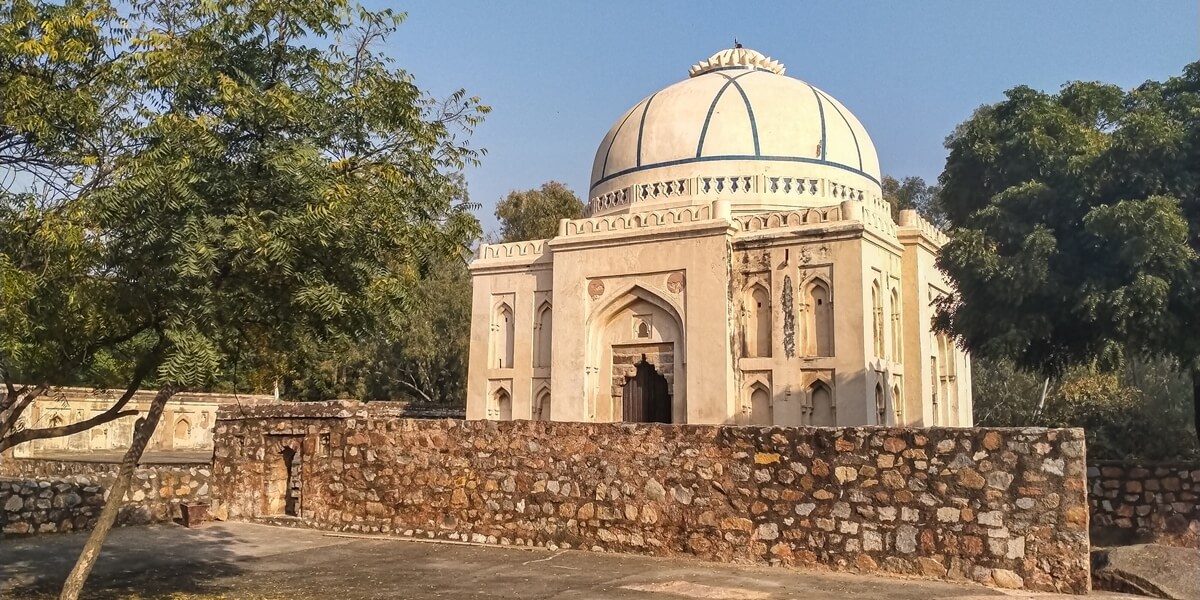
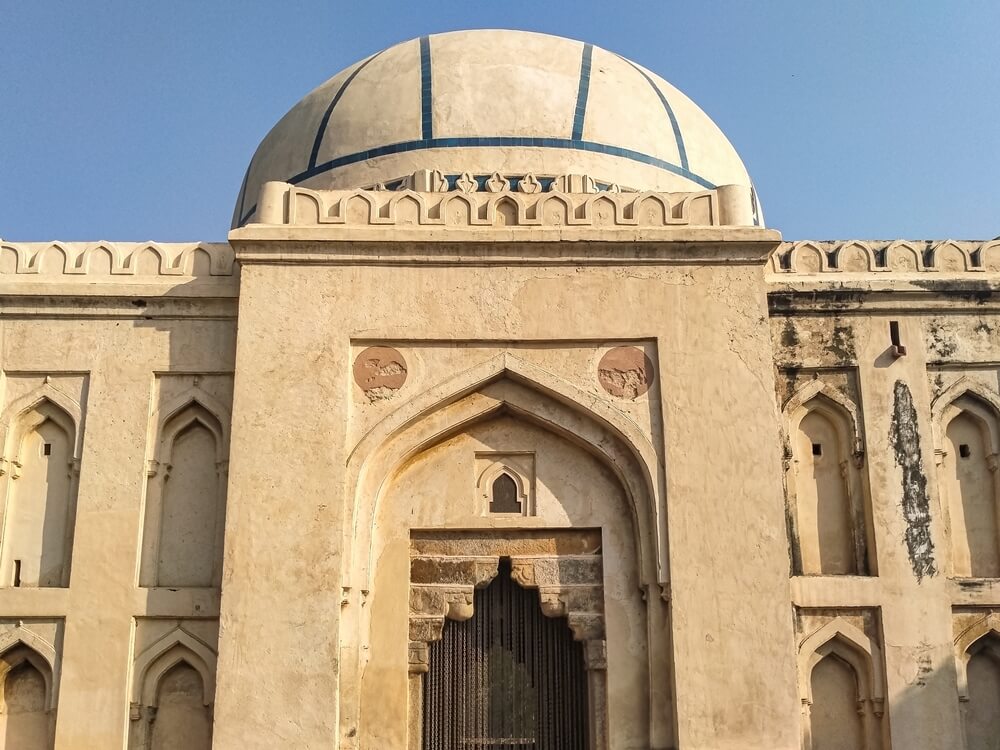
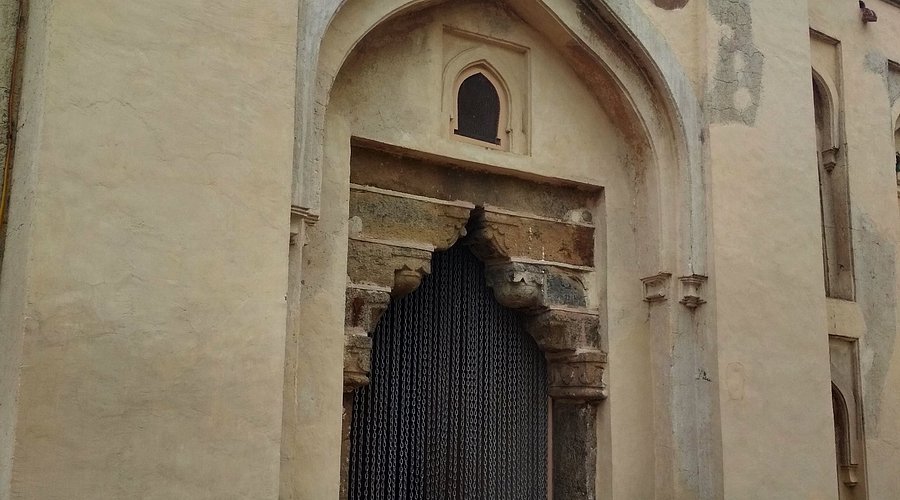
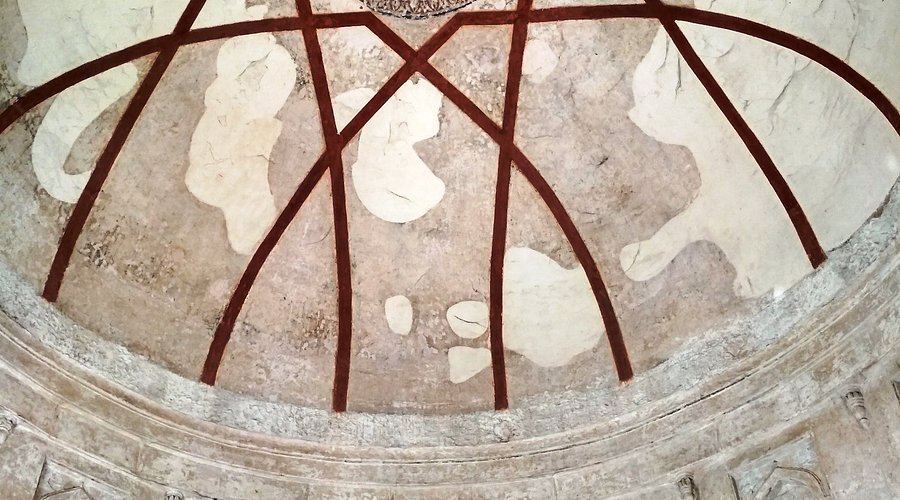
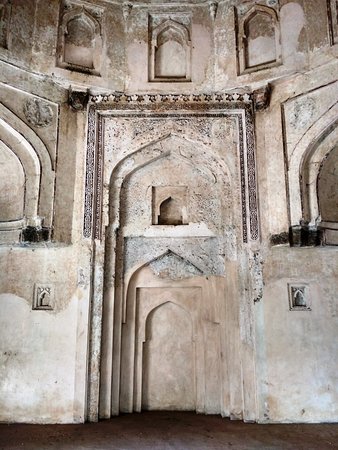
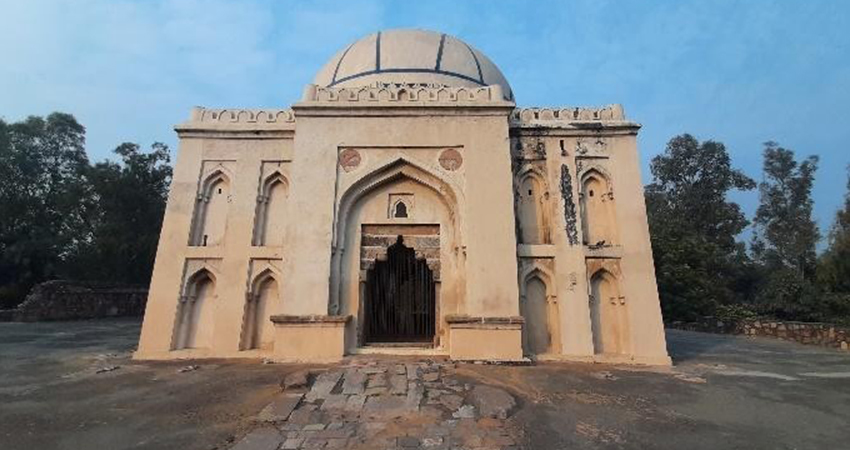
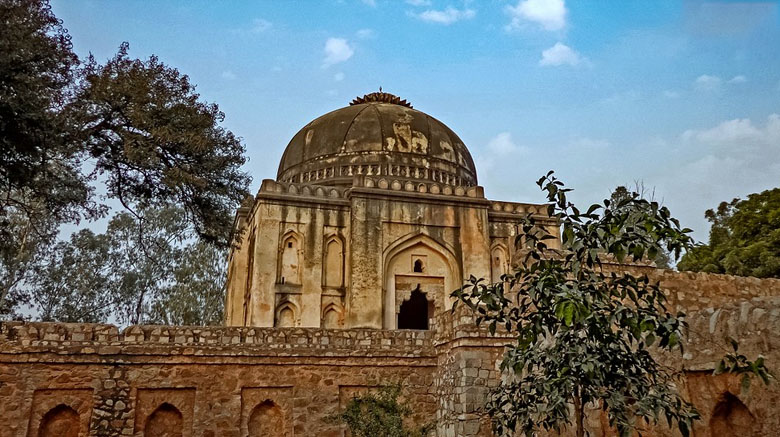
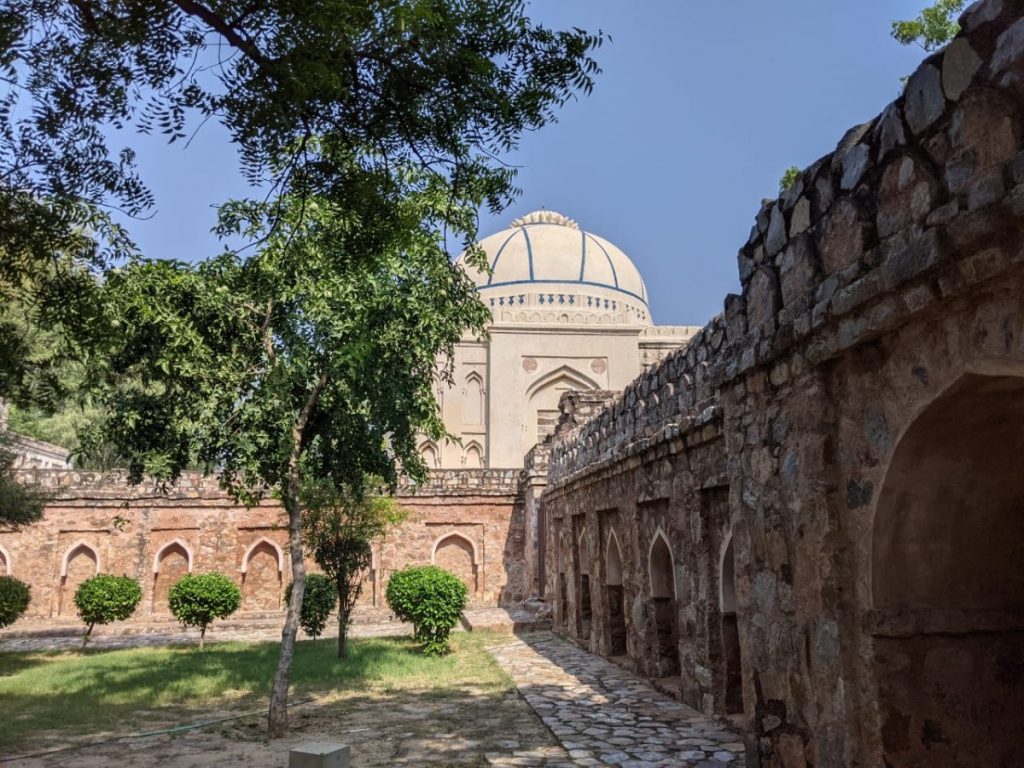
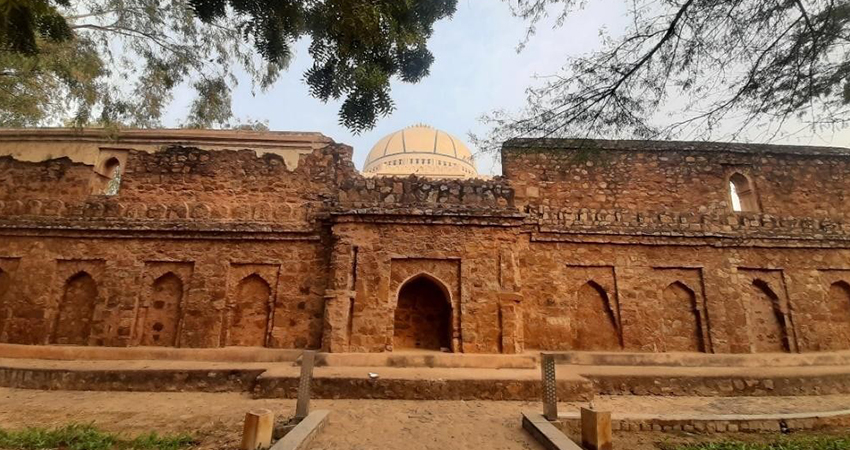
The Bara Lao Ka Gumbad is a historical gem located in the Basant Lok area of South Delhi. This tomb holds immense historical and architectural significance as it is believed to have been constructed during the Lodhi era (15th to 16th century). The structure is an exquisite example of the architectural style prevalent during the Lodhi dynasty, characterized by its simplicity, symmetry, and use of sandstone. The Nearest Bus Stand - Vasant Vihar, The Nearest Metro Station - Vasant Vihar, Nearest Railway Station- Nizamuddin Railway Station Railway Station Nearest Airport- IGI
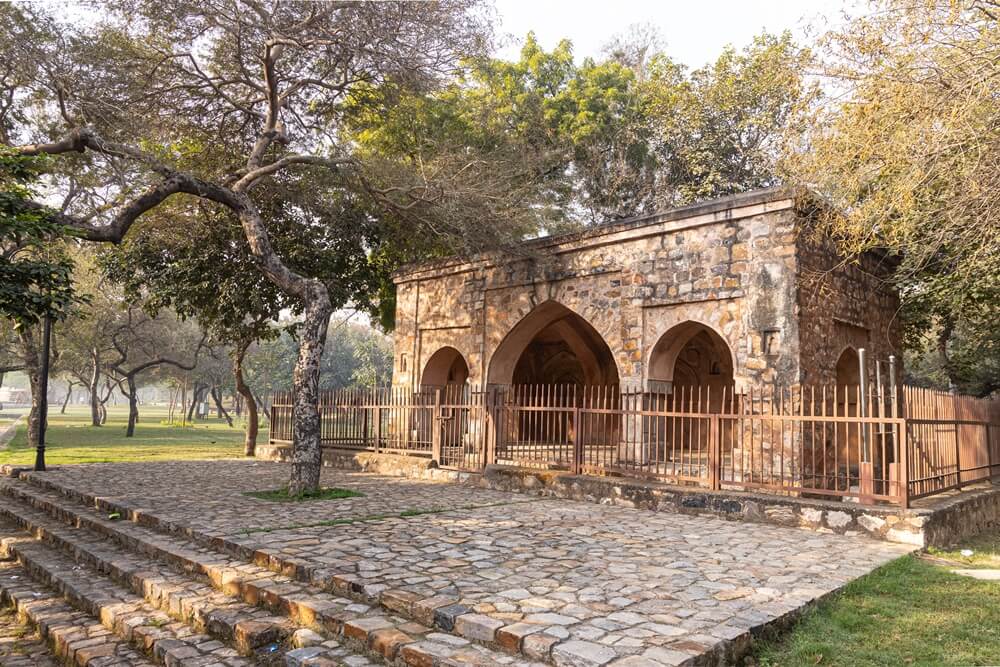
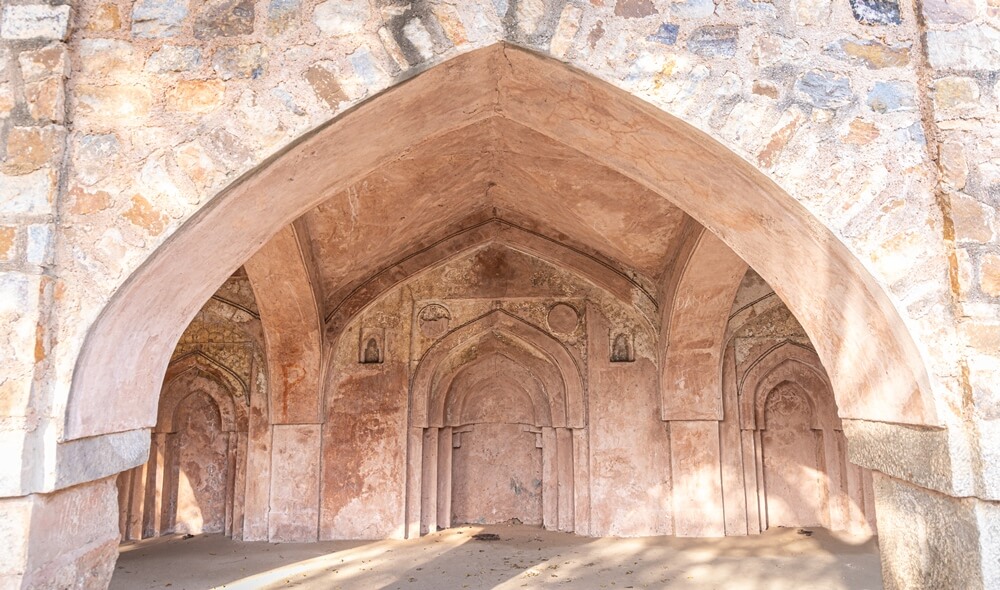
Situated in the heart of Priya Park in Vasant Vihar, New Delhi, Bara Lao Ka Gumbad is an architectural marvel that commands attention from all corners of the park. This historical monument, dating back to the late 15th century CE, is believed to have been constructed for a dignitary from the Lodhi period. The tomb is an excellent representation of Lodhi-era architecture, sharing notable similarities with other iconic structures such as Bara Gumbad and Shish Gumbad located in the famed Lodhi Gardens. Its intricate design, symmetry, and domed structure echo the stylistic elements of the time, reflecting the understated elegance of the period's Indo-Islamic architectural heritage. Inside the tomb, there were once four unmarked graves, which, unfortunately, were destroyed over time. Historical accounts suggest that this desecration might have occurred when the structure was encroached upon and converted into a living space by unauthorized occupants. This loss of the original funerary elements diminishes the monument's historical narrative but does not overshadow its architectural and cultural importance. Nearby, within the same park, lie the remnants of what is believed to be one of the earliest garden complexes in India, providing a rare and valuable link to the past. This garden is thought to be the last surviving example of around 1,500 gardens laid out by Firoz Shah Tughlaq during the late 14th century. Firoz Shah, renowned for his passion for horticulture, created extensive orchards and gardens that showcased a remarkable variety of plants and fruits. Historical records vividly describe the cultivation of grapes, pomegranates, apples, melons, oranges, figs, lemons, red gooseberries, mangoes, beans, poppies, and black sugarcane, along with numerous flowering plants and trees. These gardens were not only a testament to his love for nature but also a demonstration of advanced agricultural and irrigation techniques of the era. The archaeological remnants in the garden include the remains of two wells and traces of an ancient water system. Although the irrigation channels are now too damaged to fully trace their original paths, they serve as a testament to the ingenuity of Firoz Shah?s engineering projects. Drawing parallels with his other works, such as those at Hisar and Firozabad, it is evident that these gardens were supported by sophisticated irrigation and canal systems that provided water to the flourishing plantations. Despite the damage and passage of time, these remnants offer valuable insights into the innovative infrastructure and cultural priorities of the Tughlaq dynasty. The juxtaposition of the Bara Lao Ka Gumbad and the surrounding garden complex creates a unique historical tableau, blending architectural grandeur with the verdant legacy of a bygone era. Together, they stand as a testament to the rich and layered history of Delhi, offering a glimpse into the city's cultural and technological advancements during the Lodhi and Tughlaq periods.
Year of Built: 15th Century
Address: Basant Lok, Vasant Vihar, New Delhi, Delhi
Country: India
State: Delhi
District: South West Delhi
Pincode: 110070
Longitude: 77 16 54
Latitude: 28 55 90