
Indo Islamic Heritage


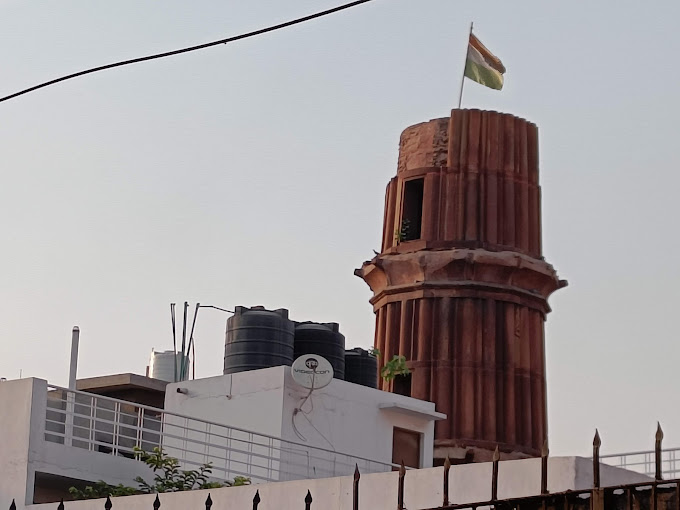
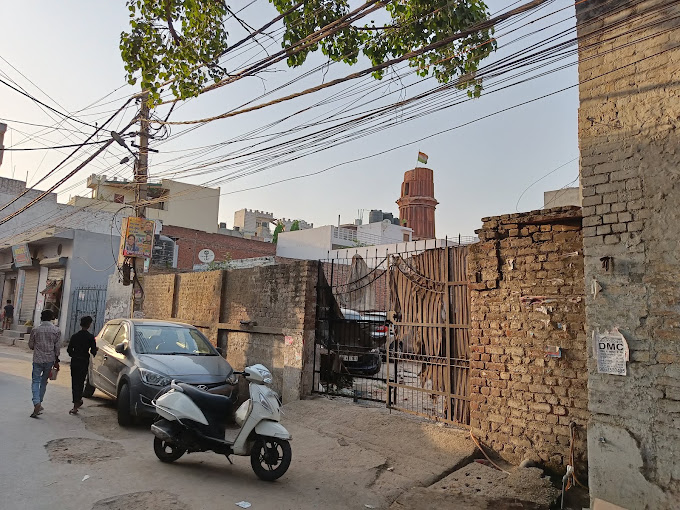
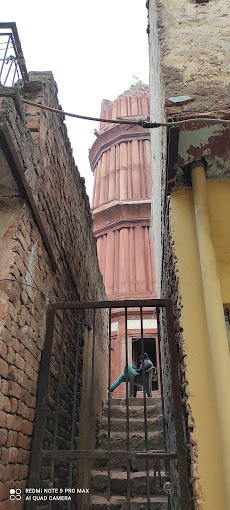
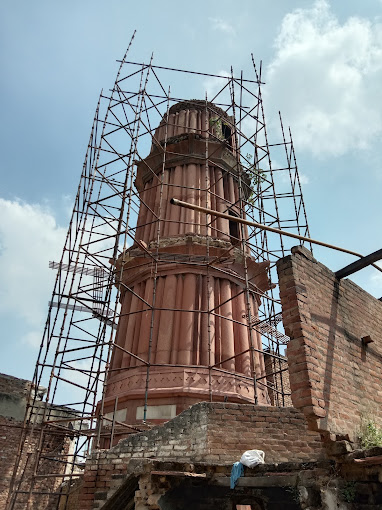
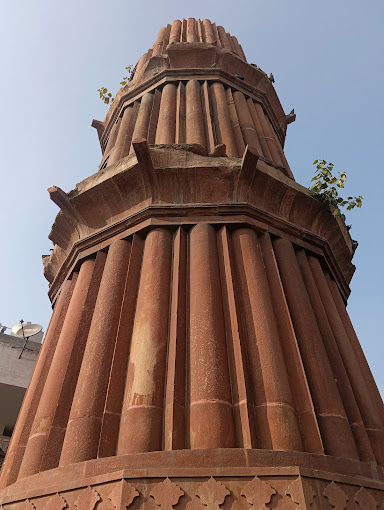
Hastsal Minar, Delhi ? A Testament to Mughal Architecture Hastsal Minar is an exquisite historical monument located in the Hastsal village of Delhi, showcasing the architectural brilliance of the Mughal era. Built during the reign of Emperor Shah Jahan, this minaret stands as a significant example of the Indo-Islamic architectural style, reflecting the artistic finesse characteristic of the period. The Nearest Bus Stand - Hastsal Village Lig Flats, The Nearest Metro Station - Uttam Nagar East, Nearest Railway Station- Nizamuddin Railway Station Railway Station Nearest Airport- IGI
The Mini Qutub Minar, also known by various names such as Chhota Qutub Minar, Mini Minar, Kaushal Minar, and Hastsal ki Laat, is a historic monument situated in Hastsal village, near Uttam Nagar in West Delhi, India. Built in 1650 by Mughal Emperor Shah Jahan, during his reign from 1628 to 1658, the tower was constructed near his royal hunting lodge in Hastsal, which was a wilderness area at the time. The structure stands at 16.87 meters (55 feet) tall and is built on a raised octagonal platform. Constructed primarily from bricks and clad in red sandstone, the Mini Qutub Minar bears a striking resemblance to the famous Qutub Minar in Delhi, both in design and structure, making it an important example of Mughal architectural influence. Originally, the Mini Qutub Minar was a five-storey tower, topped with a domed Chhatri pavilion at its peak. The tower was not just a minaret but served as a royal hunting pavilion for Shah Jahan, where he would entertain himself and his retinue after hunting in the expansive wilderness surrounding the minaret. Local legends suggest that a tunnel once connected the tower to the nearby royal hunting lodge, providing a quick passage between the two structures. Over time, however, the upper two storeys and the domed pavilion collapsed in the 18th century, leaving the tower in its current, shorter state of three storeys. Despite this, it remains an impressive structure, offering a glimpse into the grandeur of Mughal royal life. The historical significance of the Mini Qutub Minar is not just architectural but also cultural. The name 'Hastsal' itself derives from 'Haathi' (elephant) and 'Sthal' (place), reflecting the region?s past as a resting place for elephants. In the 17th century, the area was known for its abundant wildlife, making it an ideal spot for the emperor?s hunting activities. Shah Jahan?s use of Hastsal as a hunting lodge and the construction of the Mini Qutub Minar further emphasized the area's importance to the Mughal court. Despite its historical value, the Mini Qutub Minar, along with the adjacent hunting lodge, fell into disrepair over time. Urbanization gradually replaced the wilderness of Hastsal, and the once-immaculate tower was left abandoned. Local children would occasionally climb the tower, using the internal stairway to reach the top, but access to the tower is no longer permitted for safety reasons. The monument is now a Grade A protected heritage site under the Department of Archaeology, India, ensuring its preservation. In terms of architectural style, the Mini Qutub Minar shares several key features with its larger counterpart in Delhi. The tower originally consisted of five storeys, each with a decreasing diameter, creating a tapering effect. Surrounding each storey was an octagonal ring with overhanging eaves (Chhajja) made of red sandstone, similar to those seen in the Qutub Minar. The tower was constructed using Lakhori bricks, known for their durability and use in Mughal architecture. However, Zafar Hasan, a 20th-century historian, questioned the local belief that the minar was originally five storeys high, suggesting instead that it might have been topped by a chhatri (pavilion), but without the additional storeys. Regardless of the number of storeys, the Mini Qutub Minar remains a significant reminder of the Mughal era and the architectural legacy of Emperor Shah Jahan.
Year of Built: 17th Century
Address: NEW DELHI, ADD.72 HASTSAL VILLAGE UTTAM NAGAR, Deep Enclave, Hastsal Village, Hastsal, Delhi,
Country: India
State: Delhi
District: West Delhi
Pincode: 110059
Longitude: 77.0573
Latitude: 28.6339