
Indo Islamic Heritage


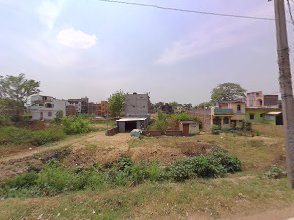
Located in the heart of Muslim Colony, Jamaluddin Chak, along Mohammadpur Road in Khagaul, Patna, Madarsa Raza-e-Mustafa Islamic Institute is a growing hub of Islamic education dedicated to nurturing faith, knowledge, and character. Focused on traditional Sunni-Barelvi teachings, the madarsa offers Qur’anic studies, Hadith, Fiqh, Urdu, and Arabic, alongside basic secular education. Welcoming students from diverse backgrounds, it emphasizes moral conduct and spiritual development. The madarsa hosts weekly dars, celebrates Islamic events, and fosters a sense of identity rooted in deen and community service, striving to raise a generation of responsible, spiritually-aware citizens.
In the quiet lanes of Jamaluddin Chak, near Mohammadpur Road, Khagaul—away from the bustle of urban Patna—stands Madarsa Raza-e-Mustafa Islamic Institute, a serene center of Islamic learning and spiritual development. Serving the educational needs of the local Muslim community, the madarsa represents a harmonious blend of traditional religious scholarship and contemporary moral formation. Founded to impart the teachings of Ahl-e-Sunnat wal Jama’at in the Barelvi tradition, the institute is named in honor of Prophet Muhammad ﷺ, reflecting its commitment to nurturing love for the Prophet, reverence for scholars and saints, and adherence to the path of righteous conduct. The daily routine at the madarsa begins with Fajr Salah, followed by Qur’an memorization (Hifz) and Nazirah for young children. As the day progresses, students delve into essential Islamic sciences—Tafsir, Hadith, Fiqh (jurisprudence), Aqeedah (creed), and Seerah—with classes taught in Urdu and Arabic, guided by experienced and respected teachers from within the community. The institute also offers Urdu literacy, basic mathematics, and general knowledge, allowing students to stay connected with the broader world while being rooted in Islamic values. Moral education (akhlaaq) is a central theme throughout the curriculum, ensuring that students grow not just as scholars but as individuals with humility, discipline, and service-oriented mindsets. The campus, though modest, includes neat classrooms, a prayer hall, a small wuzu (ablution) area, and an open courtyard where group prayers, assemblies, and special events are held. The sound of students reciting the Qur’an and chanting naats fills the air, creating an atmosphere of peace and piety. One of the institute’s most cherished features is its weekly Jumma Bayan, where the principal or a guest scholar addresses students and local residents on Islamic topics and current social issues. During Ramadan, Eid, Milad-un-Nabi, and Urs celebrations, the madarsa becomes a hub of community gathering, with spiritual lectures, Qur’an recitation competitions, and collective prayers. Run on community donations, the madarsa upholds a spirit of service (khidmat)—providing free education, sometimes meals, and a spiritual sanctuary for orphans and children from economically disadvantaged families. It fosters a deep connection between learning and compassion, aligning academic rigor with social responsibility. Looking ahead, the management plans to expand the madarsa’s facilities, introduce digital learning tools, and register with broader Islamic educational boards to ensure recognition and sustainability. But at its core, Madarsa Raza-e-Mustafa remains a grassroots movement—a space where deen meets dignity, where children find guidance, and where love for Allah and His Prophet ﷺ is cultivated with sincerity.
Year of Built: Estimated early 21st century
Address: Madarsa Raza-e-Mustafa Islamic Institute H2FH+X6F, Muslim Colony (Jamaluddin Chak), Mohammadpur Road, Khagaul, Patna, Bihar 801105, India
Country: India
State: Bihar
District: Patna
Pincode: 801105
Longitude: 85.0459° E
Latitude: 25.5748° N