
Indo Islamic Heritage


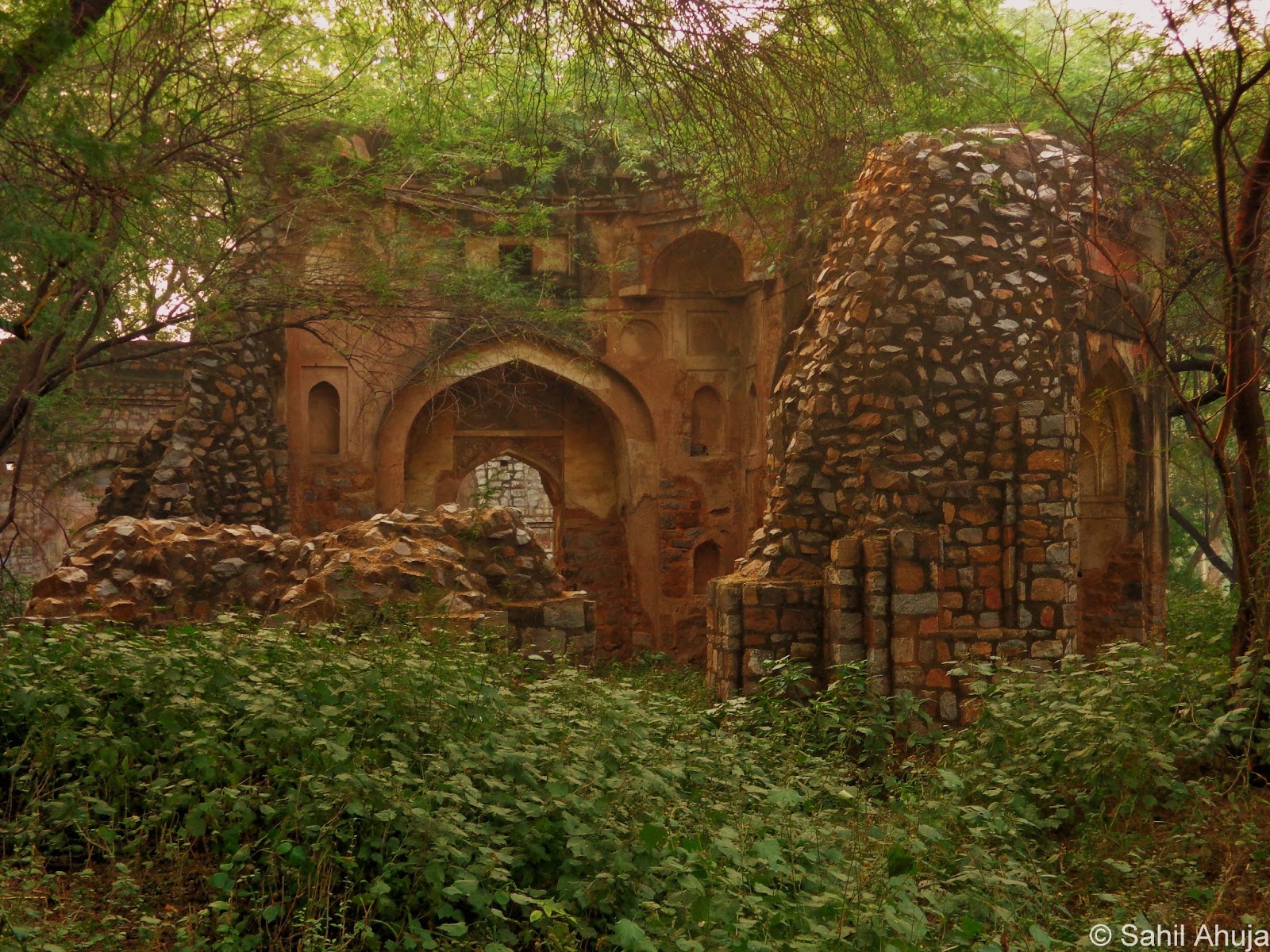
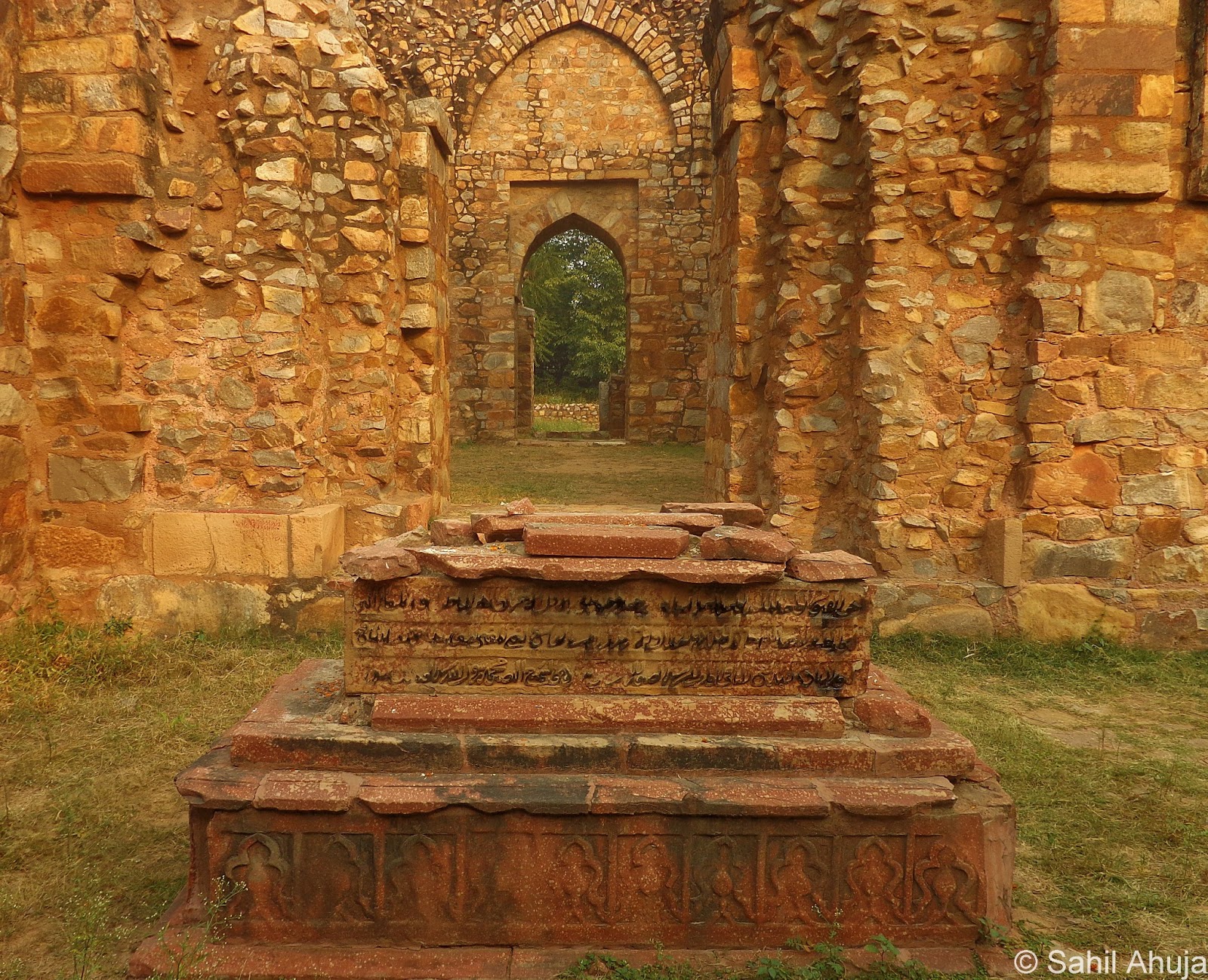
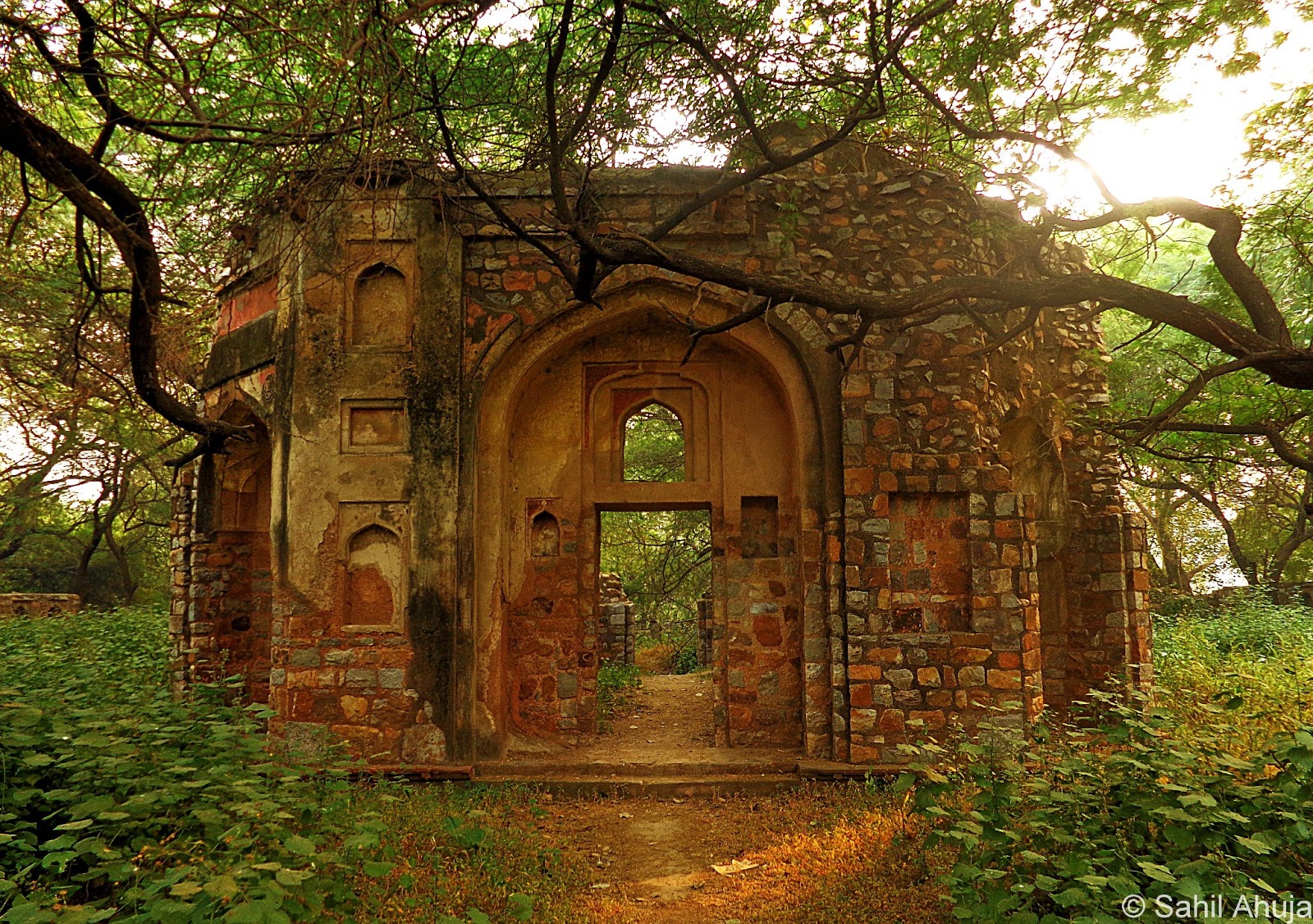
Khan Shahid was a revered warrior prince, known for his valor and military skills. He died in 1285 while engaging in a battle against the Mongols near Multan. His death marked a significant loss, as he had been a key figure in his father's military campaigns. The Nearest Bus Stand - Mehrauli Terminal, The Nearest Metro Station - Qutub Minar, Nearest Railway Station- Nizamuddin Railway Station Railway Station Nearest Airport- IGI
The Tomb of Khan Shahid, also known as Muhammad Khan, is an important but lesser-known historical monument located within the Mehrauli Archaeological Park in Delhi. This tomb is dedicated to Khan Shahid, the eldest son of Sultan Ghiyas-ud-din Balban, a powerful ruler of the Mamluk Dynasty, which governed the Delhi Sultanate in the 13th century. Khan Shahid, a revered warrior prince and military commander, played a pivotal role in the defense of his father?s empire, particularly during the Mongol invasions. He is remembered for his bravery and military skills, qualities that earned him the title "Khan Shahid," which translates to "Martyr Khan." This title was bestowed upon him in recognition of his death in battle while defending the Delhi Sultanate from Mongol forces. Khan Shahid?s death in 1285 during a fierce battle near Multan was a significant blow to Sultan Balban, who was deeply affected by the loss of his son. The personal tragedy greatly impacted the aging sultan, who had relied heavily on Khan Shahid in his military campaigns. The loss marked a turning point in the reign of Sultan Balban, who, despite his earlier successes in fortifying the Sultanate?s military strength and implementing administrative reforms, faced the pain of losing his heir. Khan Shahid?s death underscored the vulnerabilities of the Delhi Sultanate during a period when it was grappling with external threats, especially from the Mongols. The tomb itself is believed to have been constructed in the late 13th century, around the same time as Sultan Balban?s rule (1266?1287 CE). Its architectural style reflects the design preferences of the period, characterized by simplicity and functionality, rather than grandiose ornamentation. The tomb is located in Mehrauli, an area rich in historical and architectural significance, which houses several other medieval monuments. Though it is relatively modest in its appearance, the Tomb of Khan Shahid holds considerable historical and cultural importance as a symbol of the military and political legacy of the Delhi Sultanate. Beyond its architectural significance, the tomb of Khan Shahid serves as a reminder of the sacrifices made by individuals like him in the defense of their empire. It stands as a testament to the bravery of a prince who, despite his youth, played a crucial role in the survival of the Sultanate during a turbulent period marked by constant warfare. His tomb, though often overshadowed by the more famous landmarks in Delhi, continues to hold spiritual and historical significance, particularly for those who value the history of the Mamluk Dynasty and its contributions to the legacy of the Delhi Sultanate. The Tomb of Khan Shahid, therefore, not only commemorates the life of a noble warrior but also reflects the challenges and triumphs of the Sultanate under the leadership of Sultan Balban
Year of Built: 13th Century
Address: Mehrauli, New Delhi, Delhi
Country: India
State: Delhi
District: South Delhi
Pincode: 110030
Longitude: 77.1877
Latitude: 28.5202