
Indo Islamic Heritage


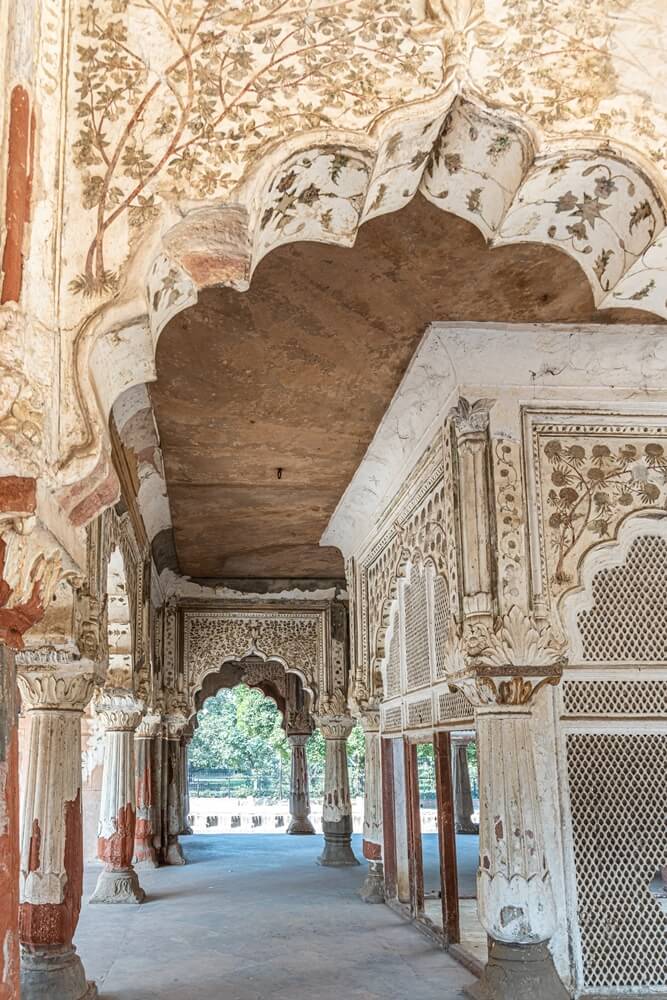
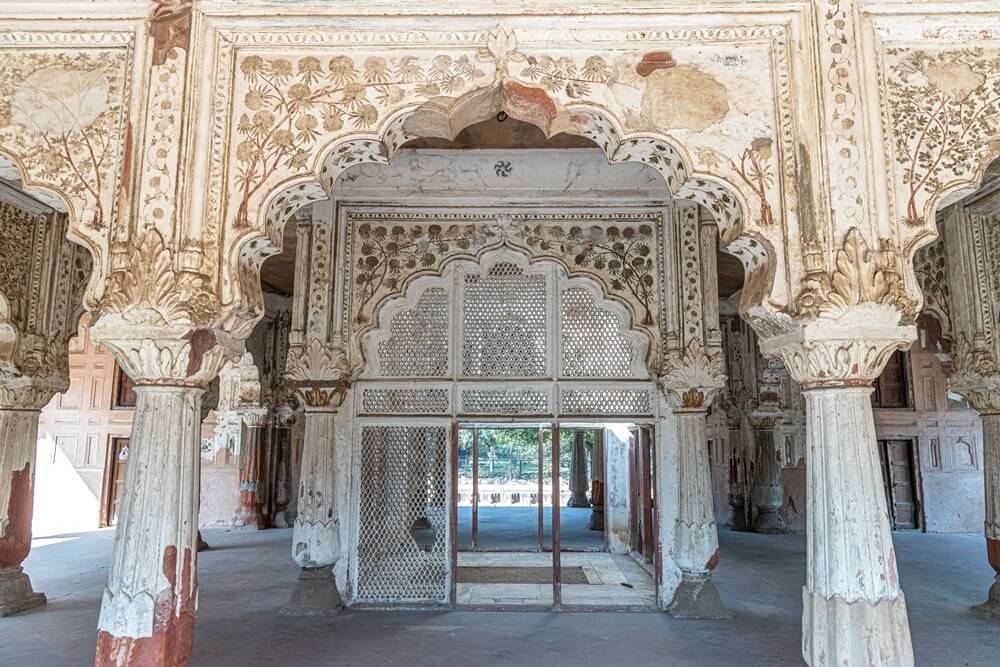
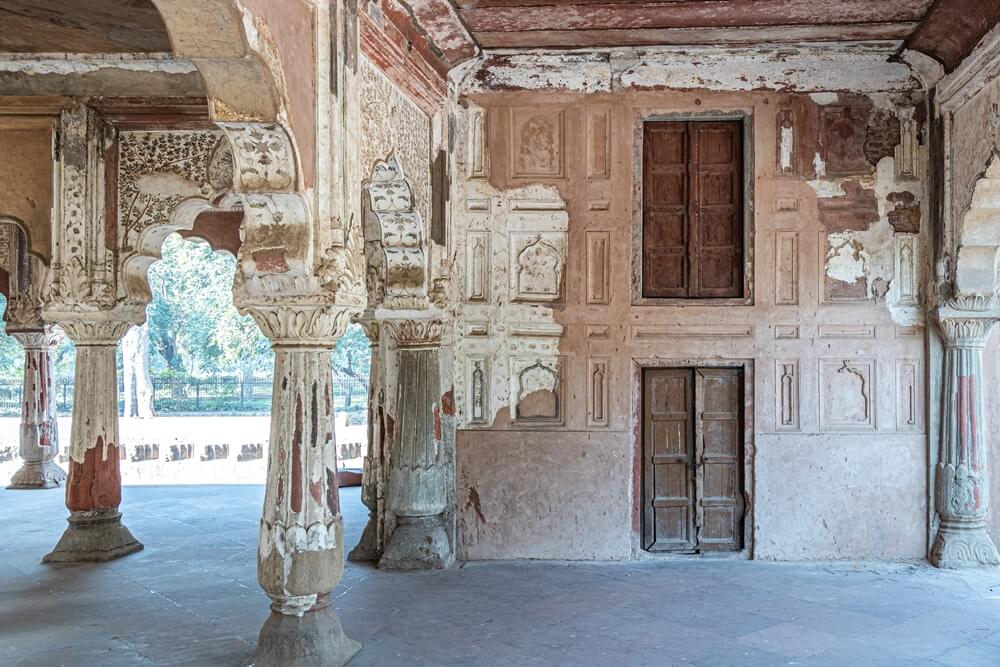
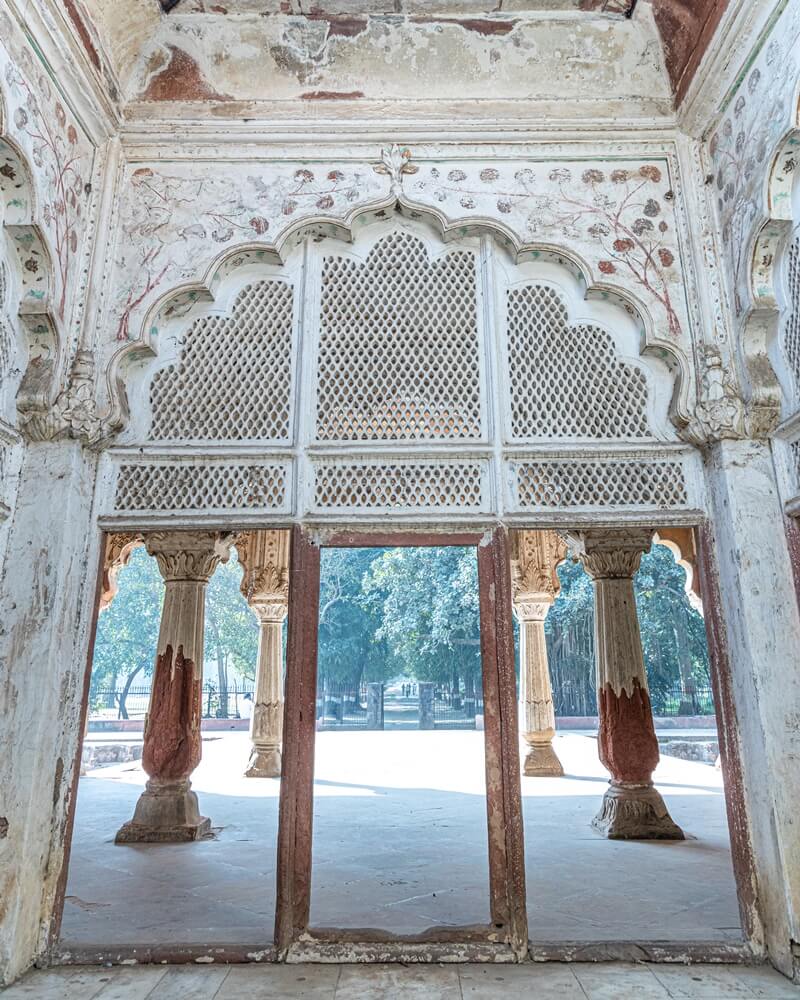
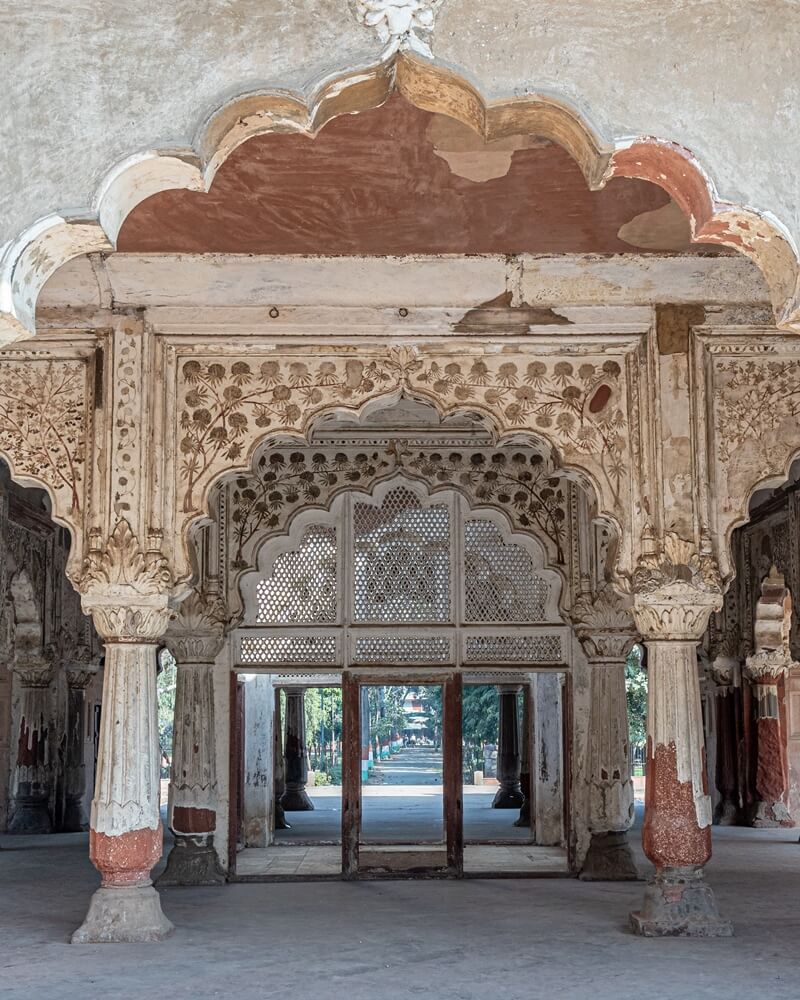
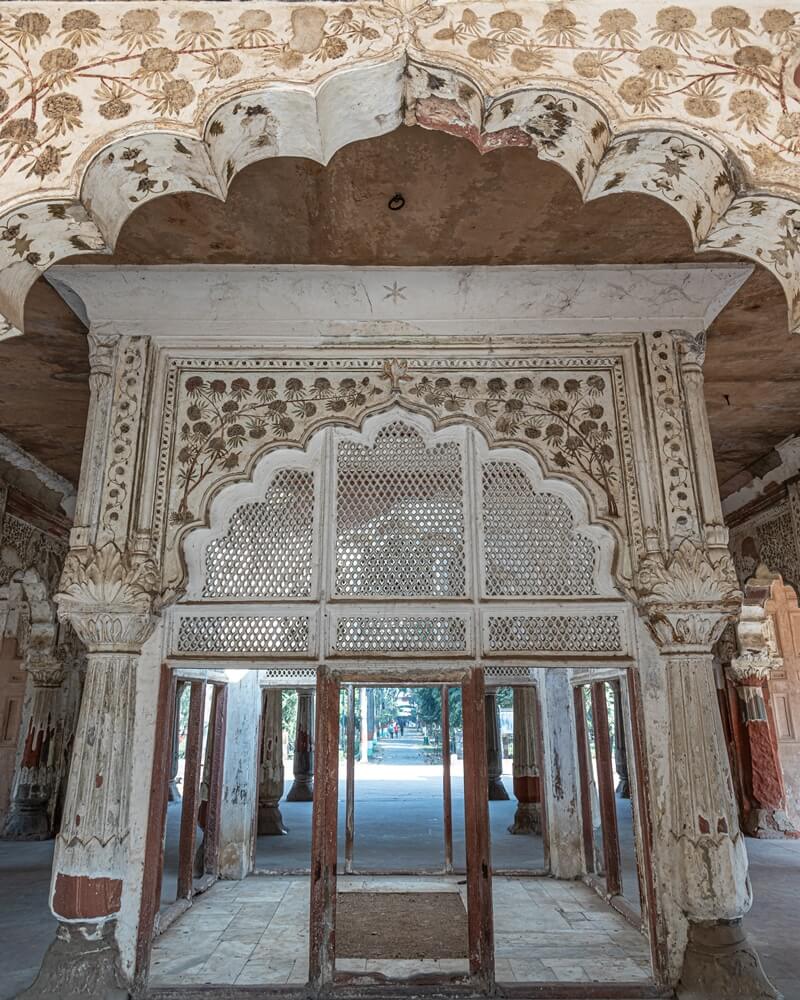
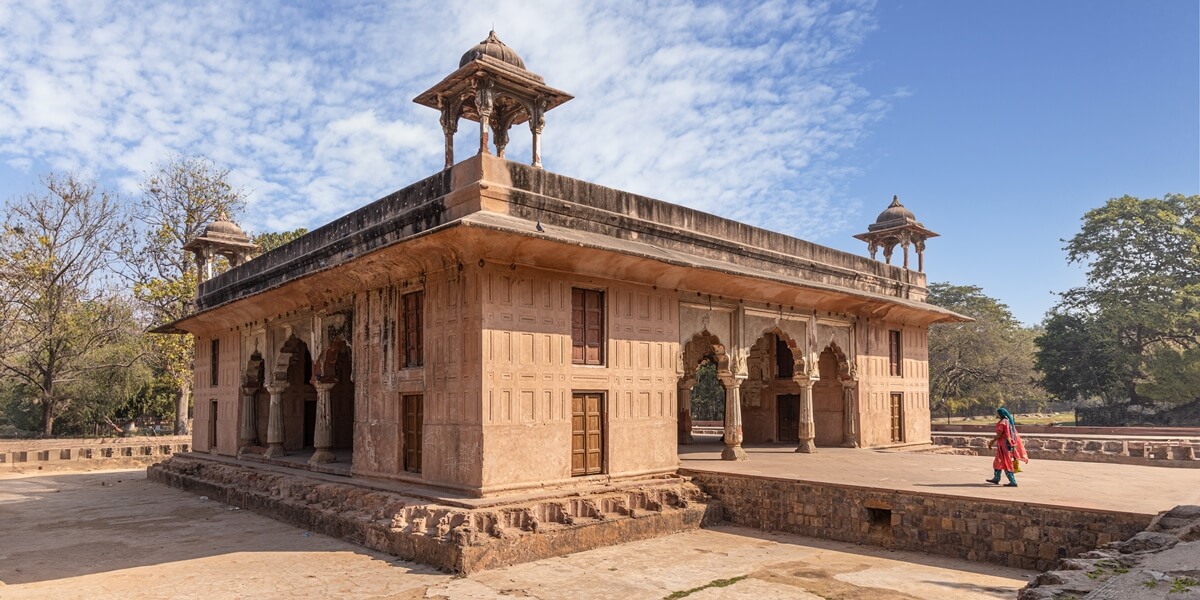
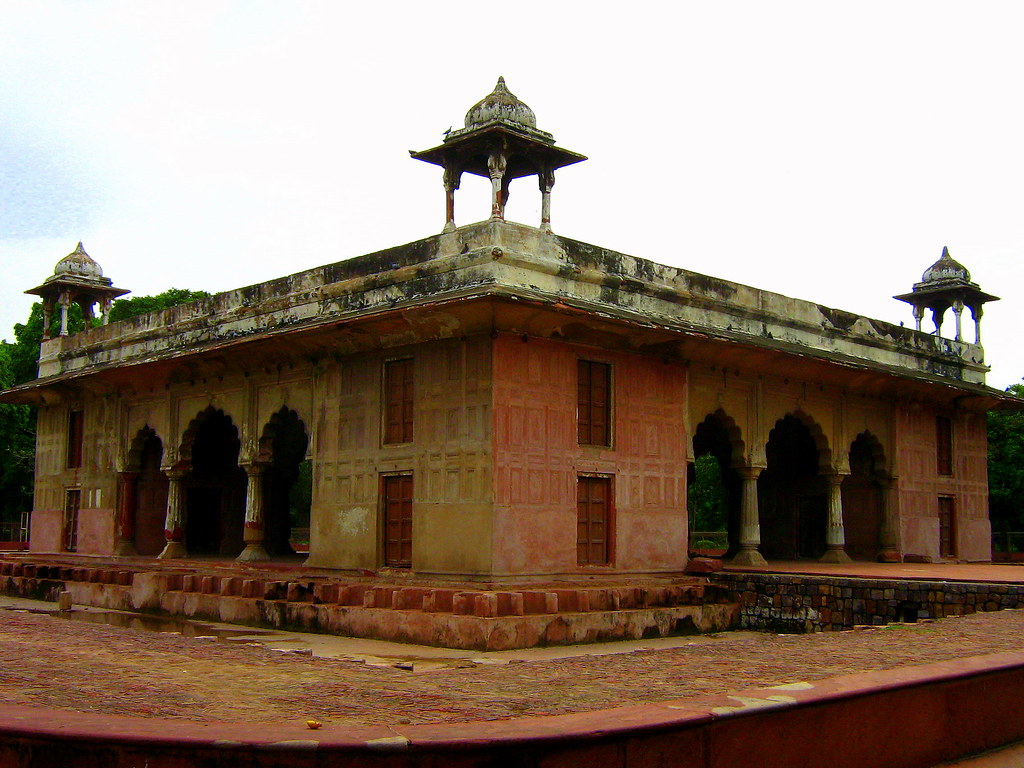
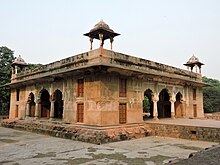
Roshanara Garden, a historical Mughal-era garden, was constructed by Roshanara Begum, the second daughter of Emperor Shah Jahan. Located in Shakti Nagar near the Kamla Nagar Clock Tower and the North Campus of the University of Delhi, it stands as one of Delhi's largest gardens, featuring a diverse range of flora, including some species reportedly imported from Japan. The garden's serene lake attracts migratory birds during the winter months, making it a favorite spot for bird watchers. A distinctive feature of the garden is its raised canal, flanked by rows of flowering plants, adding to its aesthetic appeal. At the heart of the garden lies a white marble pavilion, built in honor of Roshanara Begum. She passed away in 1671 and was laid to rest in the garden, which serves as her burial site. The Nearest Bus Stand - Roshanara Plaza, The Nearest Metro Station - Pulbangash , Nearest Railway Station- New Delhi Railway Station Railway Station Nearest Airport- IGI
Roshanara Begum (3rd September 1617 ? 11th September 1671), the third daughter of Emperor Shah Jahan and Mumtaz Mahal, was a significant figure in Mughal history. Renowned for her intelligence, poetic talent, and political acumen, she played a critical role during the war of succession following Shah Jahan?s illness in 1657. Roshanara ardently supported her younger brother Aurangzeb in his quest for the throne, contributing significantly to his eventual victory. Her support earned her the prestigious title of Padshah Begum, making her the foremost lady of the Mughal Empire and a powerful political force in the court after Aurangzeb?s ascension in 1658. Roshanara?s enduring legacy is closely tied to the Roshanara Bagh, a magnificent pleasure garden she designed and commissioned in present-day Shakti Nagar, North Delhi. The garden, spanning 57 acres, also houses her tomb. Following her death in 1671, Roshanara was laid to rest here, making the site one of the few Mughal-era structures that still stand in Delhi. The tomb itself is an architectural marvel, resembling a baradari (a pavilion with 12 openings), featuring a central hall with open courtyards on four sides. At its core lies a small roofless square chamber containing her grave, surrounded by intricately carved marble lattice screens. The tomb?s design includes two-storied chambers at each corner, crowned with chattris, and a now-dry water tank that once added to the grandeur of the site. While the tomb likely repurposed a pre-existing garden house, its intricate floral motifs and ornamental carvings suggest a structure of considerable beauty in its prime. Unfortunately, time has not been kind to Roshanara?s final resting place. Decades of neglect and poorly executed restoration attempts have left the structure in a state of decay. The plaster has chipped away, exposing layers of lakhori bricks, and parts of the lattice screens around the grave are broken. The once-exquisite carvings have eroded in many areas, with some sections now home to pigeons. Despite its deteriorated state, the tomb still evokes an image of its former magnificence, reflecting the legacy of a woman who played a pivotal role in Mughal history. Roshanara?s life was marked by familial conflict and political intrigue. Within the Mughal family, Shah Jahan?s favoritism towards her elder brother Dara Shikoh caused resentment among the younger sons, including Aurangzeb. Roshanara?s loyalty to Aurangzeb was solidified when she thwarted a conspiracy by Shah Jahan and Dara Shikoh to eliminate him. When Shah Jahan invited Aurangzeb to Delhi under false pretenses, Roshanara, sensing danger, warned her brother, urging him to stay away. This decisive act paved the way for Aurangzeb?s triumph in the war of succession. After Aurangzeb ascended the throne, Roshanara became his trusted advisor and played an influential role in state affairs. She advocated for Dara Shikoh?s execution, fearing his potential reprisal. Following Dara?s capture and execution, Roshanara?s position in the Mughal court grew stronger. However, her rise to power came at the expense of her elder sister, Jahanara Begum, who had supported Dara during the conflict. Displeased with Jahanara?s loyalty to Dara, Aurangzeb replaced her with Roshanara as the Padshah Begum and head of the Imperial Harem. Despite her prominent role, Roshanara?s relationship with Aurangzeb soured over time. Her alleged affairs and domineering influence within the court led to rumors and animosity, especially among Aurangzeb?s wives. Her accumulation of wealth through corrupt means further strained their relationship. In 1667 or 1668, Aurangzeb, disapproving of her lifestyle, stripped her of power and banished her to her garden palace on the outskirts of Delhi. There, Roshanara lived a secluded life, choosing to remain unmarried. Her later years were marked by isolation and apprehension. Fearful of political repercussions, she requested a palace away from the walled city, preferring the tranquility of her garden estate. Despite her estrangement from the court, Roshanara?s influence and contributions to Mughal history remained undeniable. Her life ended tragically when Aurangzeb discreetly arranged her poisoning, leading to her death at the age of 54. Roshanara?s tomb in the Roshanara Bagh, surrounded by a dense forest and the remnants of its once-thriving structures, serves as a poignant reminder of her remarkable yet tumultuous life. A woman of intellect, ambition, and resilience, she left an indelible mark on the Mughal Empire and India?s history.
Year of Built: 17th Century
Address: Roshanara Garden, Shakti Nagar, Delhi,
Country: India
State: Delhi
District: North Delhi
Pincode: 110007
Longitude: 77.197778
Latitude: 28.673056