
Indo Islamic Heritage


.jpg)
Khwaja Sara Basti Khan was a noble under Sultan Sikander Lodi of the Delhi Sultanate (reigned 1489?1517 CE). His contributions to architecture reflect the grandeur of Lodi-period construction, characterized by elegant symmetry and functionality. The Nearest Bus Stand - Mehrauli Terminal, The Nearest Metro Station - Qutub Minar, Nearest Railway Station- Nizamuddin Railway Station Railway Station Nearest Airport- IGI
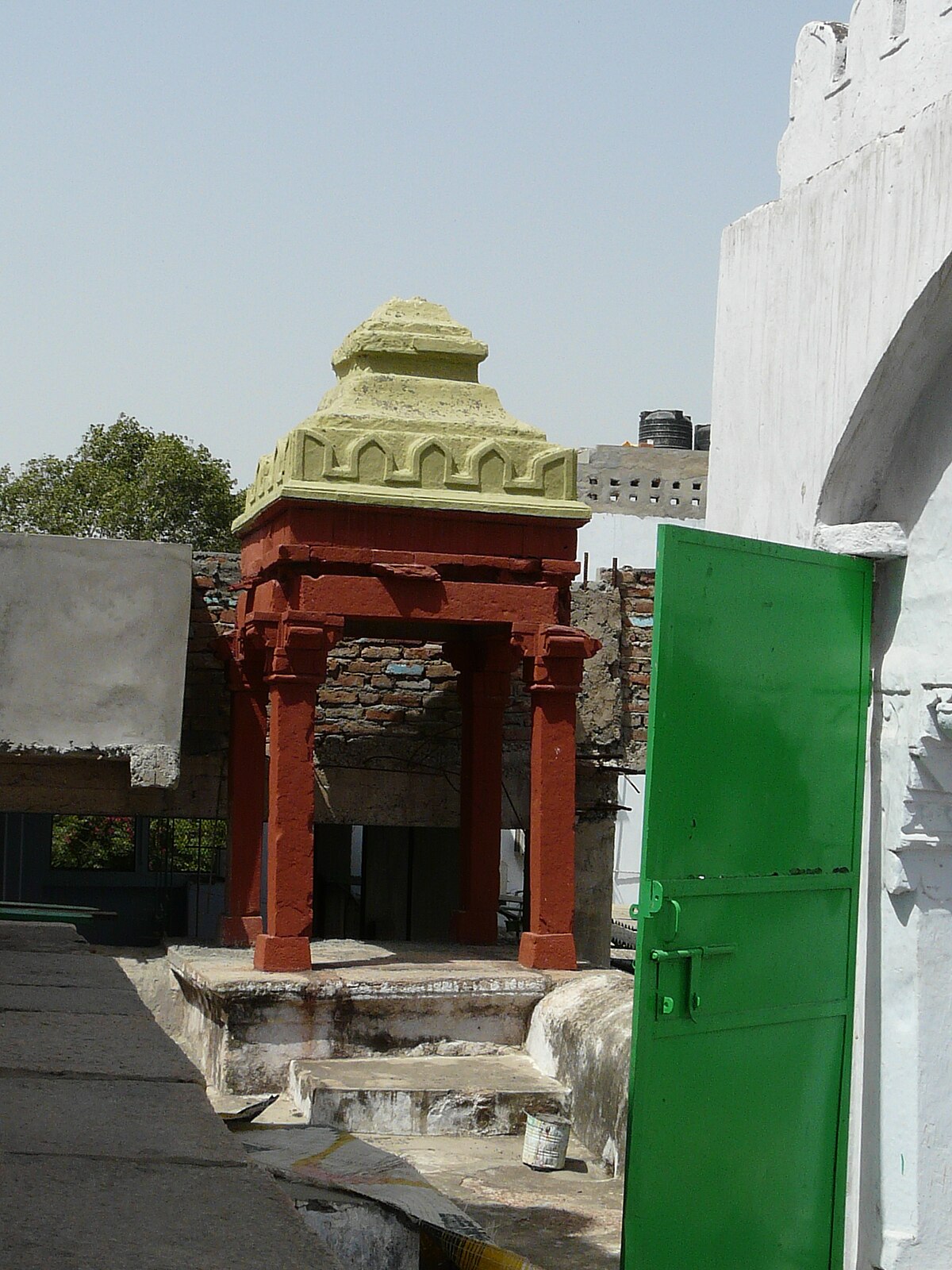
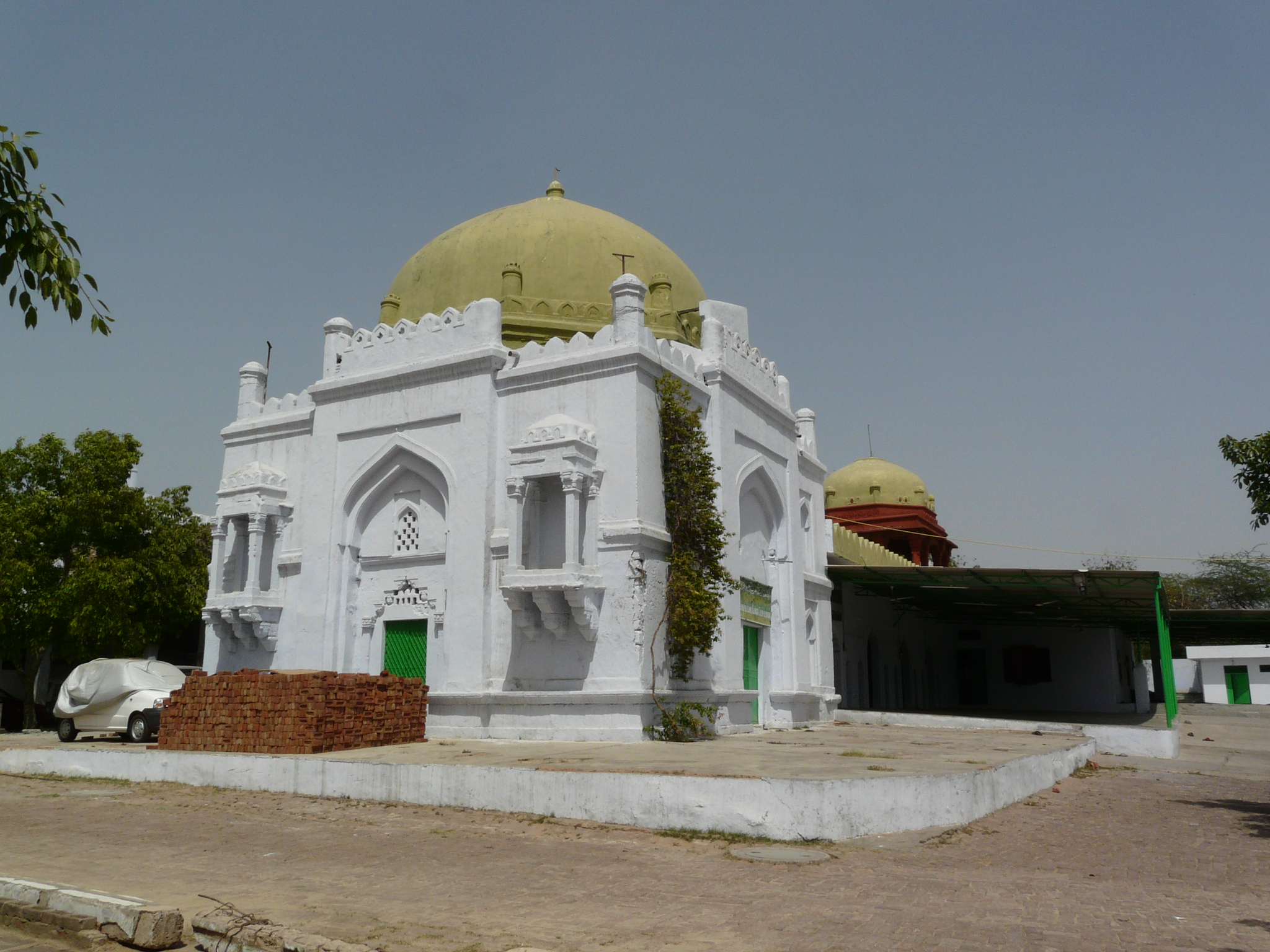
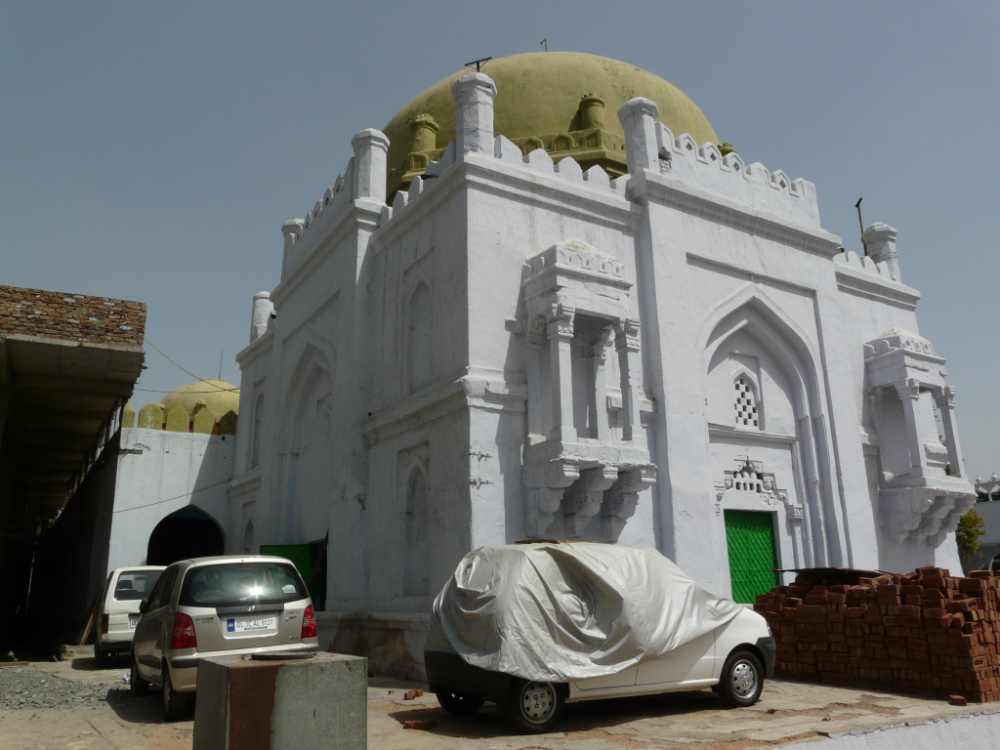
Khwajasara Basti Khan was a prominent noble during the reign of Sultan Sikander Lodi, remembered for his architectural contributions near the Hazrat Nizamuddin Basti. Despite its current limited area, the site originally encompassed an extensive expanse of land, featuring a mosque, baoli (stepwell), tomb, and an impressive gateway as its entrance. The tomb, constructed in 1488 AD, stands as a testament to his legacy. Although the baoli dried up centuries ago, the gateway, mosque, and tomb have endured the passage of time, albeit with several later additions. The gateway is a striking white structure with a lofty dome, presenting an aesthetically soothing appearance. Built of stone and mortar, it measures 35 square feet and rests on a raised plinth. Unfortunately, the gateway was locked during the visit, but it was mentioned that the interior now serves as a storeroom. A double staircase in the courtyard leads to the elegant, white-colored gateway that provides access to the upper portion of the complex. The tomb itself is situated on a raised terrace and showcases architectural finesse with its symmetrical design. Each of its four sides features five arched cells, creating a harmonious and balanced appearance. The dome, painted white, contrasts beautifully with the rest of the structure, which is a bright red. Measuring 21 square feet at its base and rising to a height of 60 feet, the tomb is an imposing structure. Its four corners were originally adorned with red chhatris, though only one has survived the ravages of time. Inside, the dome was once lined with red sandstone, intricately decorated with alternating circular bands of white and black marble. However, much of this decorative marble has been lost over the centuries. Despite its weathered condition, the tomb remains a fascinating example of medieval Indo-Islamic architecture, reflecting the grandeur and artistic sensibilities of the Lodi period. The surviving elements, including the gateway, mosque, and the lone remaining chhatri, continue to narrate the historical significance of Khwajasara Basti Khan's contributions to Delhi's architectural heritage.
Year of Built: 15th Century
Address: Khwaja Sara Basti Khan Mehrauli Archaeological Park, Near Qutub Minar, Mehrauli, New Delhi, Delhi
Country: India
State: Delhi
District: South Delhi
Pincode: 110030
Longitude: 77.1877
Latitude: 28.5202