
Indo Islamic Heritage


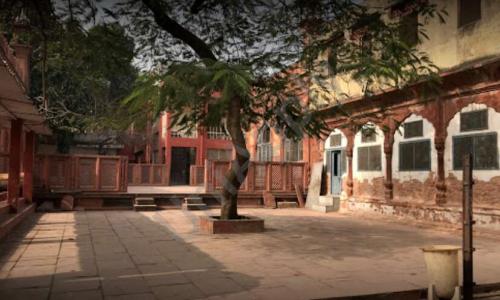
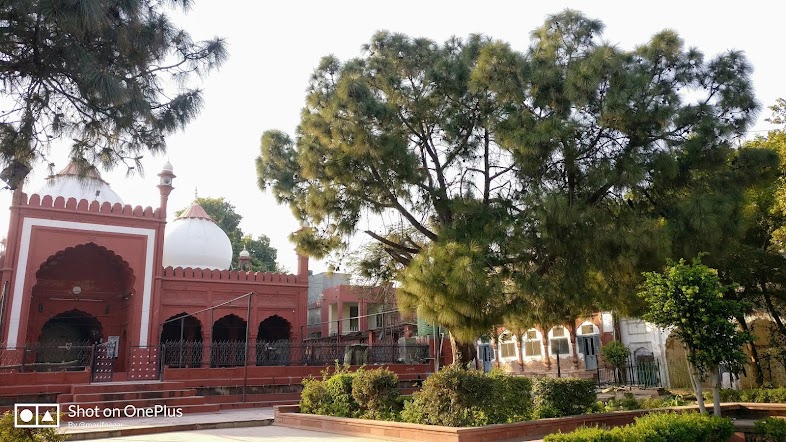
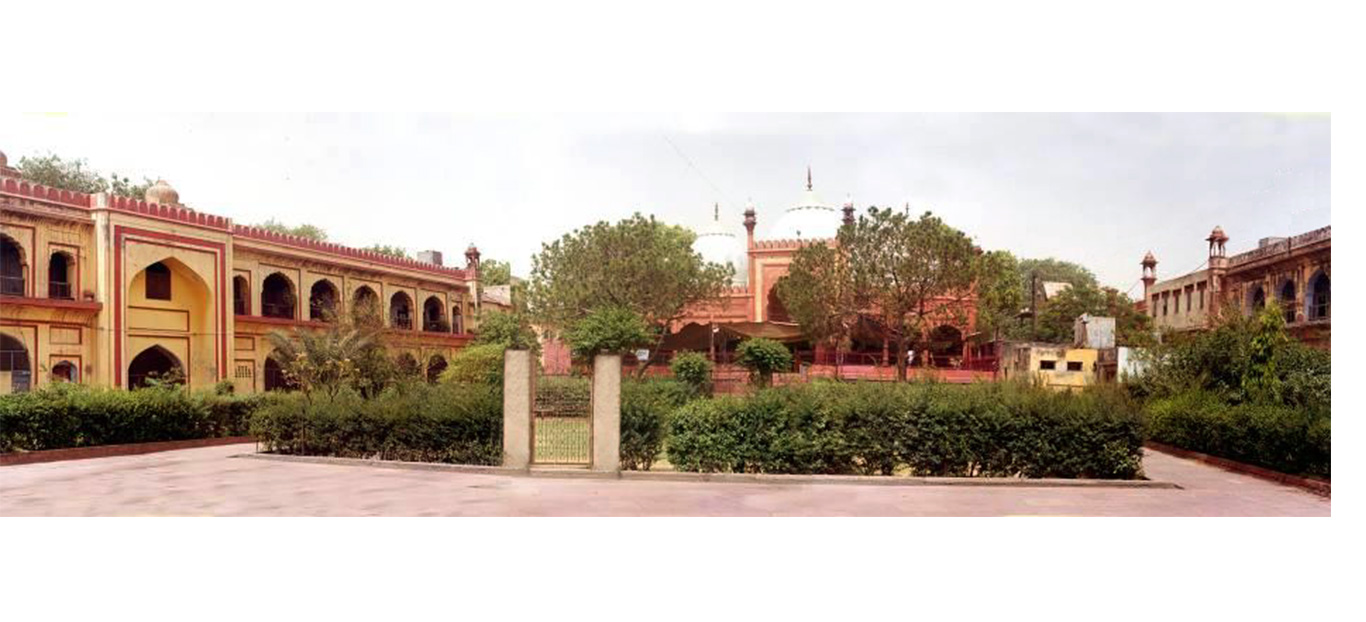
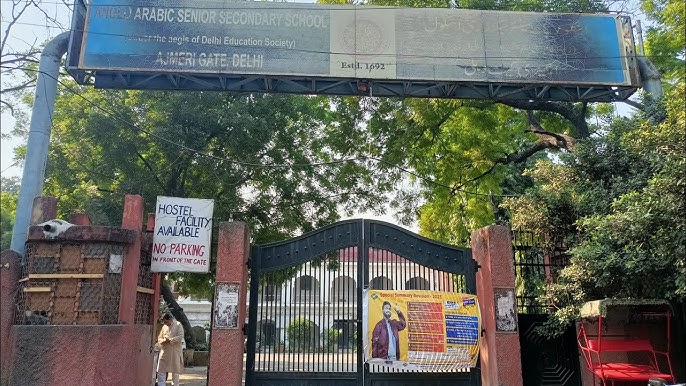
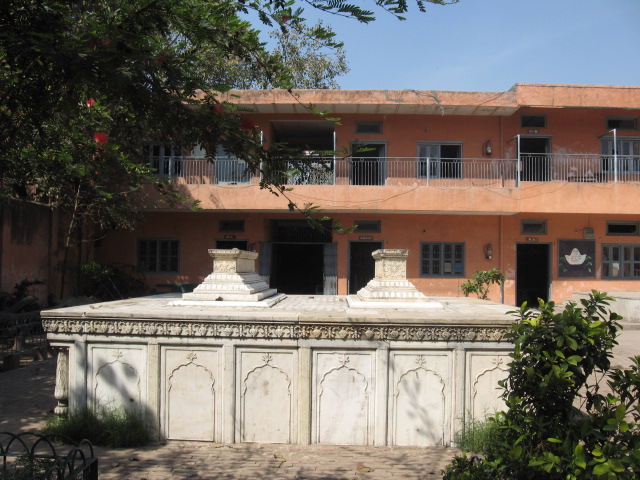
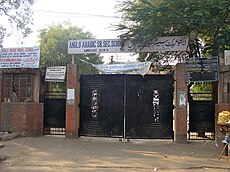
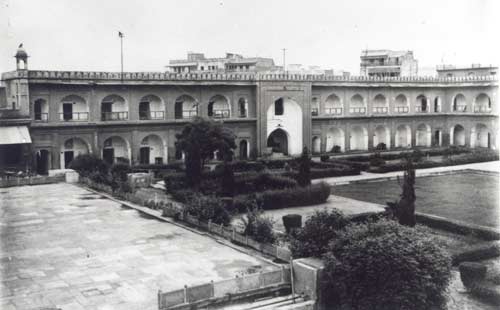
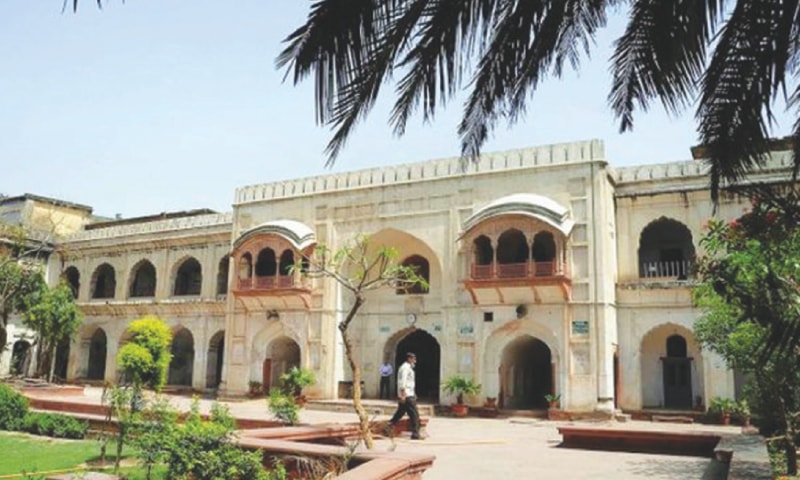
The Anglo Arabic Senior Secondary School, also known as the Anglo Arabic School, is a historic co-educational government-aided institution located in New Delhi, India. Managed by the Delhi Education Society, the school boasts a rich legacy dating back to its establishment in 1696 by Ghazi ud-Din Khan Feroze Jung I. The Vice-Chancellor of Jamia Millia Islamia, Najma Akhtar, serves as the Chairperson of the Delhi Education Society, while Prof. Dr. Asad Malik is the school's manager. The institution is currently led by Mr. Mohd Wasim Ahmad, who serves as its Principal. The Nearest Bus Stand - Kamla Market, The Nearest Metro Station - New Delhi, Nearest Railway Station- New Delhi Railway Station Railway Station Nearest Airport- IGI
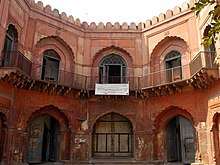
The institution was initially established by Mir Shihab-ud-din, also known as Ghaziuddin Khan, a prominent general of the Mughal Emperor Aurangzeb. Ghaziuddin Khan was a leading commander in the Deccan region and the father of Qamar-ud-din Khan, Asaf Jah I, who founded the Asaf Jahi dynasty of Hyderabad and became its first Nizam in the 1690s. The institution was originally named Madrasa Ghaziuddin Khan in his honor. However, with the decline of the Mughal Empire, the madrasa ceased operations in the early 1790s. Subsequently, with the support of local nobility, an oriental college dedicated to literature, science, and art was established on the site in 1792, marking a significant transformation in its role as an educational hub. Located just outside the walled city of Delhi near the Ajmeri Gate and close to the present-day New Delhi Railway Station, the college was strategically positioned. It was initially surrounded by a wall and connected to the fortifications of the walled city, earning it the nickname ?College Bastion.? This location underscored its importance as both a place of learning and a site of cultural and historical significance. In 1828, the British East India Company reorganized the institution as the Anglo Arabic College, broadening its educational scope to include the English language and literature alongside its traditional subjects. This initiative aimed to uplift the educational status of the local community, particularly those living in the vicinity. The transformation was significantly influenced by Charles Trevelyan, a key figure in British education policy in India, and the brother-in-law of Thomas Babington Macaulay, often referred to as the architect of modern education in India. Their combined efforts played a pivotal role in introducing Western educational principles to the institution. During Dr. Sprenger?s tenure as principal, the college underwent further advancements. He established the college press, Matba?u ?l-?Ulum, and in 1845, launched its first periodical, a weekly publication named Qiranu ?s-Sa?dain. These efforts enhanced the college?s role as a center for intellectual and literary activities, fostering a culture of academic excellence. In the modern era, one of the most notable figures associated with the Anglo Arabic College was Rao Shamshad Ali Khan, who joined as a teacher in 1947 and later became the principal, serving until 1975. A significant personality in the Muslim League, a political party that advocated for the creation of Pakistan, Rao Shamshad Ali Khan?s tenure reflected the socio-political complexities of the time. His political activities, including his affiliation with the Muslim League, led to his arrest during the Emergency imposed by then-Prime Minister Indira Gandhi in 1975. His contributions to the college?s legacy remain a notable chapter in its long history.
Year of Built: 17th Century
Address: Desh Bandhu Gupta Rd, Ajmeri Gate, New Delhi, Delhi,
Country: India
State: Delhi
District: Central Delhi
Pincode: 110006
Longitude: 77.2229
Latitude: 28.646