
Indo Islamic Heritage


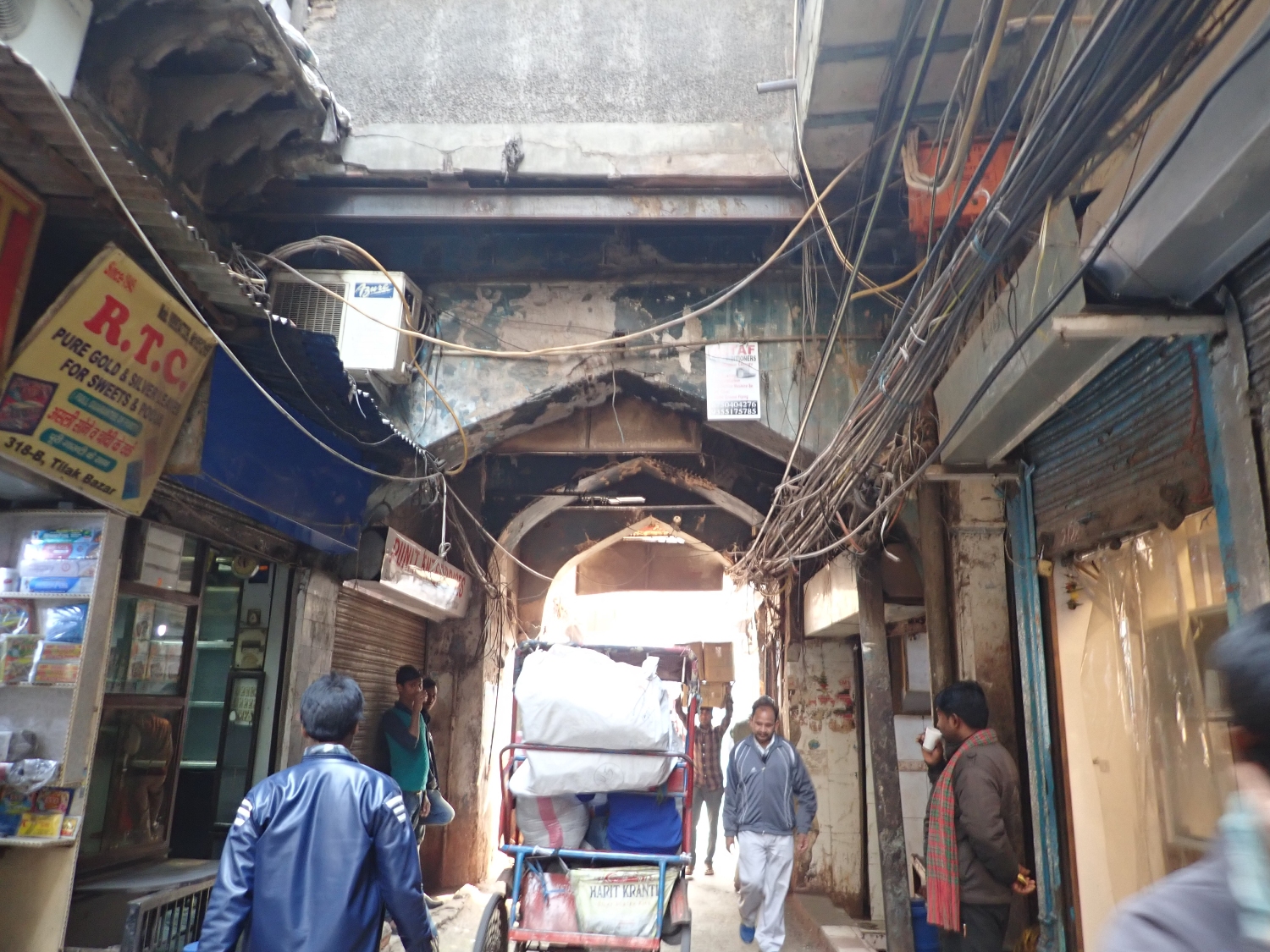
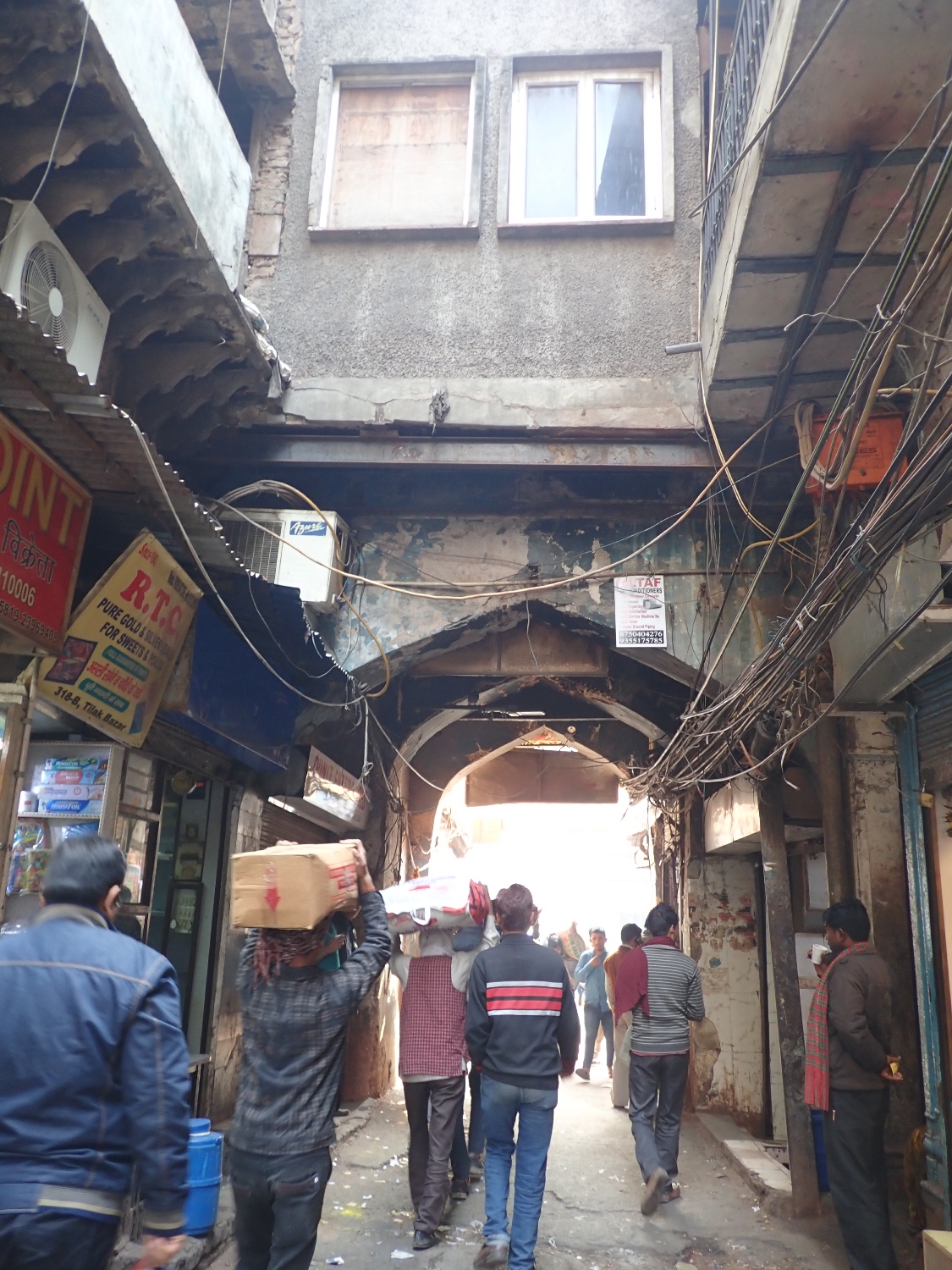
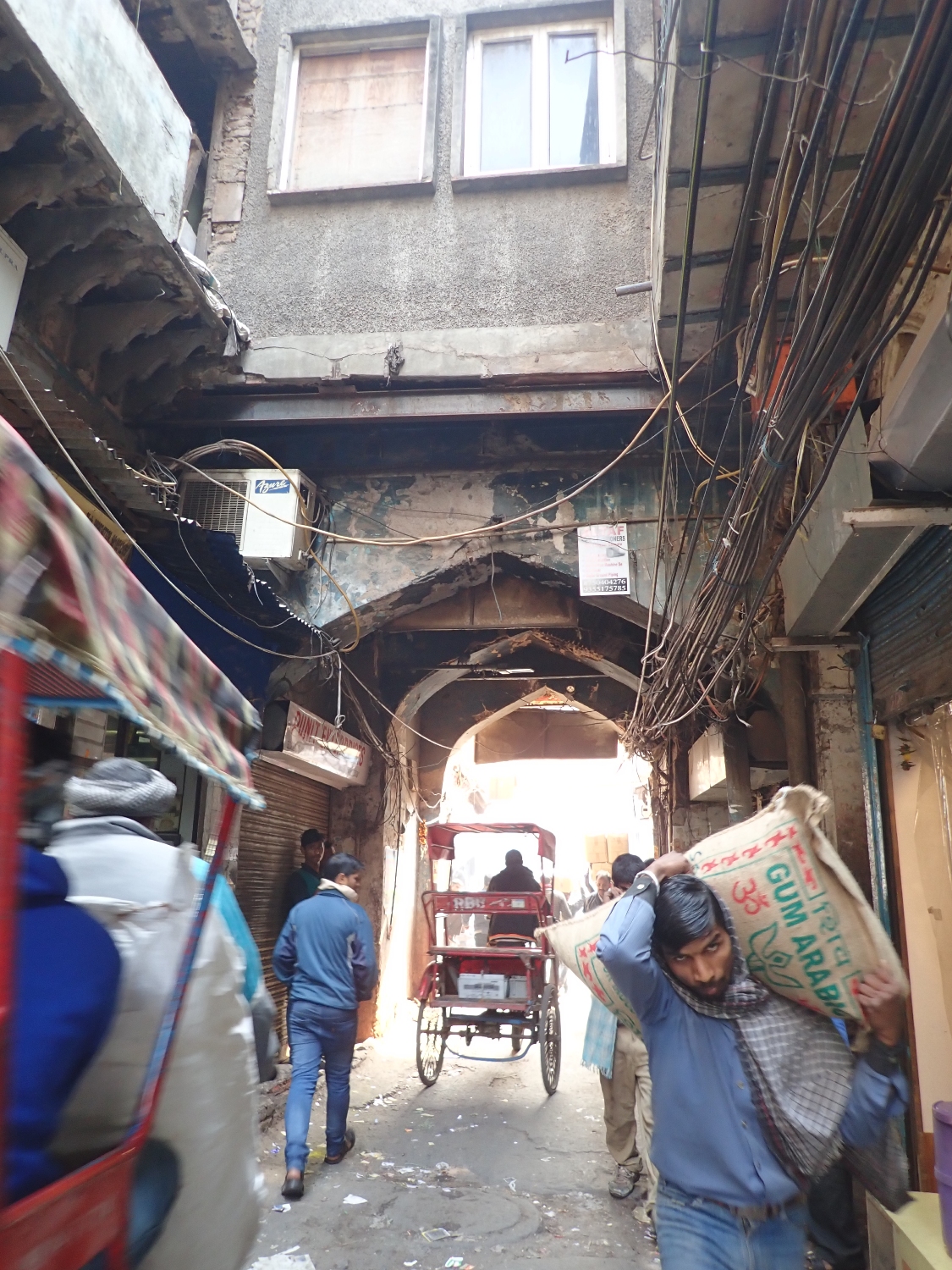
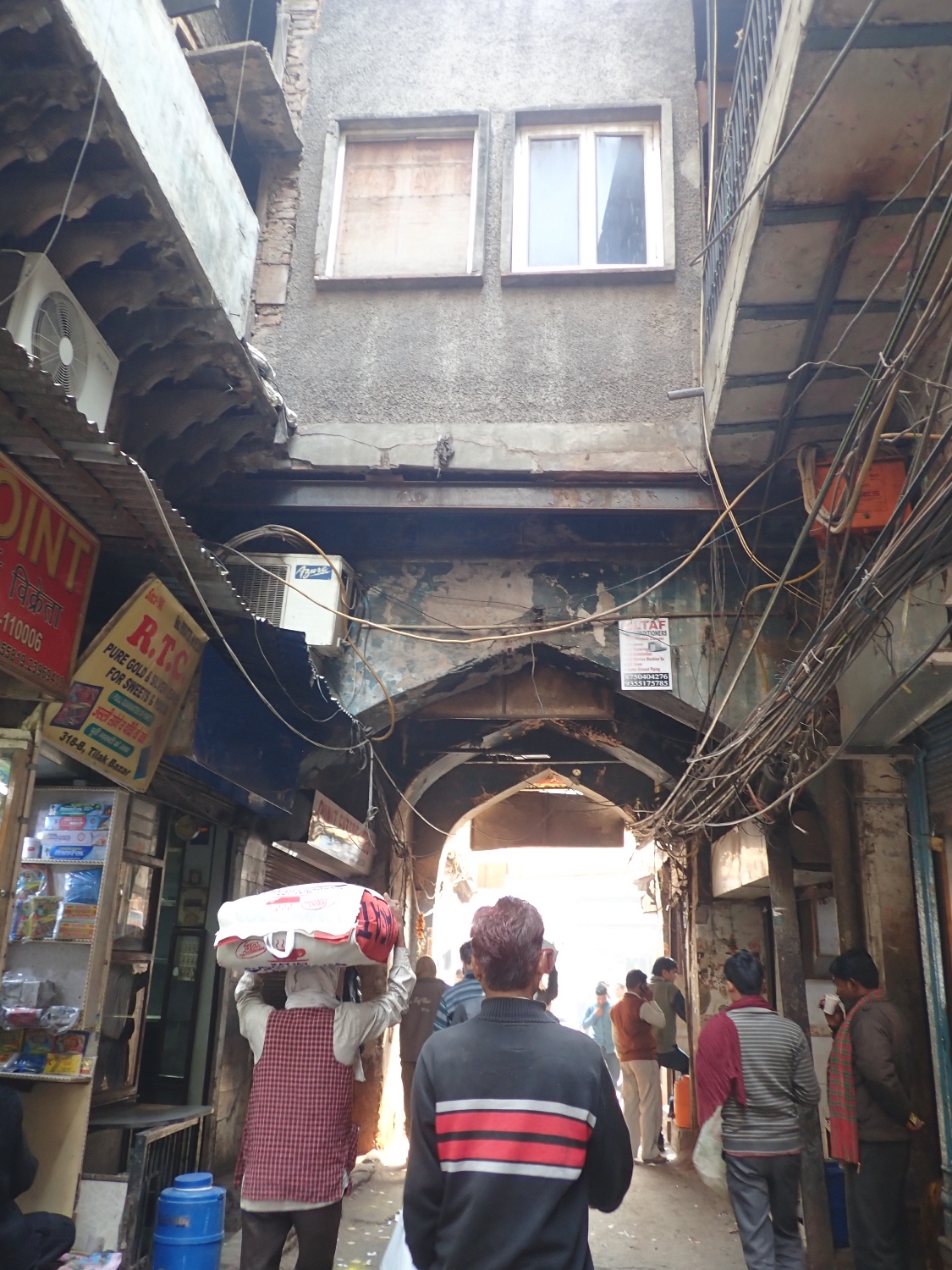
The Phatak Habsh Khan gateway originally featured a grand, large pointed arched entrance, which was a defining characteristic of Mughal architecture during the reign of Emperor Shah Jahan. However, over time, this majestic entrance has been built over, obscuring its original form. Despite this alteration, traces of stone brackets can still be seen, which once supported the superstructure of the gateway. These stone brackets are significant as they provide evidence of the advanced construction techniques used during the Mughal period. The Nearest Bus Stand - Fatehpuri, The Nearest Metro Station - Chawri Bazar, Nearest Railway Station- New Delhi Railway Station Railway Station Nearest Airport- IGI
The Phatak Habsh Khan gateway, constructed by Sidi Miltah, an Abyssinian (Habshi) noble who rose to prominence in Delhi, stands as a significant piece of architectural heritage. The gateway is an exemplary manifestation of Indo-Persian architectural style, reflecting a blend of Hindu and Persian design elements that flourished during the Mughal era. The large pointed arched entrance, once a grand feature, has unfortunately been covered over, obscuring its original form. However, remnants of the structure, such as stone brackets, remain visible, offering insights into the engineering marvels of the time. These brackets were used to support the superstructure, demonstrating the advanced construction techniques employed during the Mughal period. The gateway is finished with layers of lime plaster, a technique that not only enhanced its aesthetic appeal but also served to protect the structure from the elements. This lime plaster, a hallmark of Mughal architecture, provided a smooth, polished surface and contributed to the longevity of the building. The gateway, built during the reign of Emperor Shah Jahan, exemplifies the grandeur and intricate craftsmanship of Mughal architecture. The primary construction materials include lakhori bricks, which were meticulously laid to form the structural base, along with stone masonry that added strength and durability to the gateway. Together, these materials create a robust and lasting structure that continues to serve as a testament to the architectural brilliance of the Mughal Empire. The Phatak Habsh Khan gateway, while altered over time, remains a remarkable representation of the fusion of architectural traditions during one of India?s most prosperous periods.
Year of Built: 17th Century
Address: 1384, Phatak Habash Khan, Tilak Bazar, Chhota Chamarwara, Khari Baoli, Chandni Chowk, Delhi,
Country: India
State: Delhi
District: Central Delhi
Pincode: 110006
Longitude: 77 23 21
Latitude: 28 65 63