
Indo Islamic Heritage


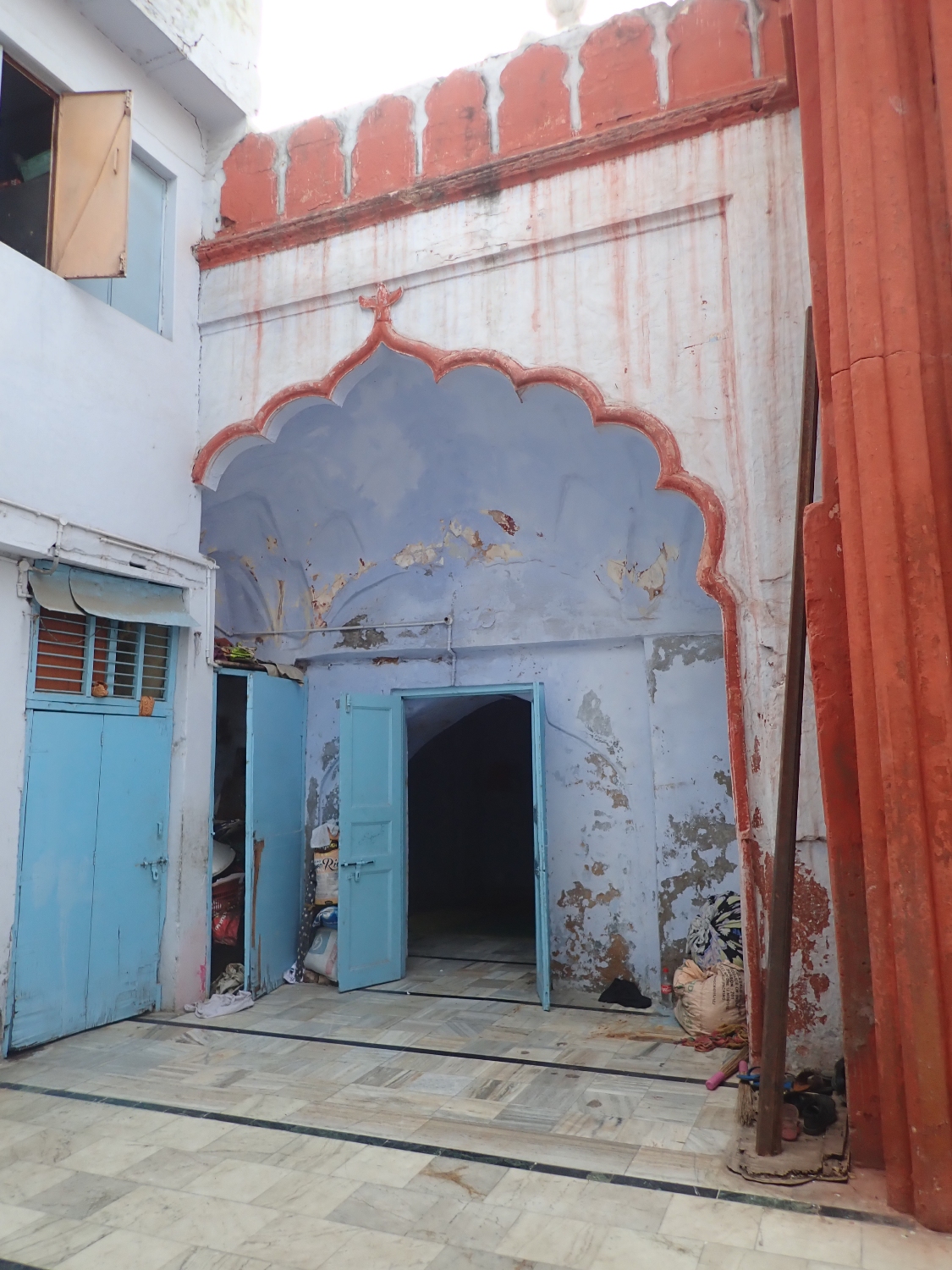
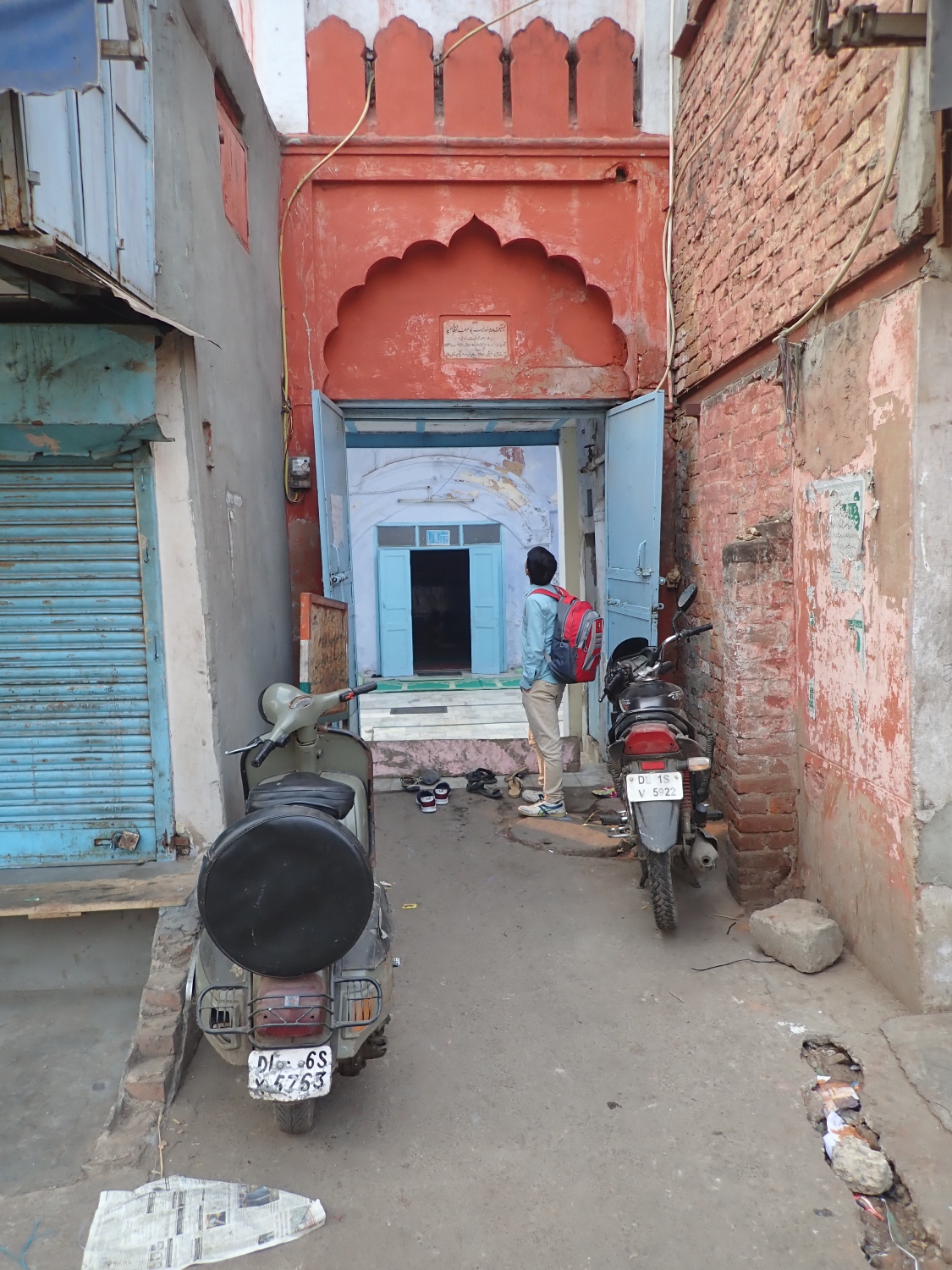

The Sirhindi Masjid, built between 1639 and 1648 by Sirhindi Begum, the wife of Emperor Shah Jahan, is located in Shahjahanabad (Old Delhi). The Nearest Bus Stand - ISBT Kashmere Gate, The Nearest Metro Station - Kashmere Gate, Nearest Railway Station- New Delhi Railway Station Railway Station Nearest Airport- IGI
The Sirhindi Masjid was constructed between 1639 and 1648 by Sarhindi Begum, one of the wives of Emperor Shah Jahan. According to oral history, Sarhindi Begum was a devout spiritual figure who commissioned the mosque for her personal spiritual gains, reflecting her deep religious devotion. The mosque was built during the period when Shah Jahan was establishing Shahjahanabad as the new Mughal capital, and it is part of the heritage that reflects the grandeur and religious significance of that era. The mosque is a prime example of Indo-Persian architecture, which blends Mughal and Persian styles. The fa?ade of the mosque is characterized by a large foliated arch with a broad span, a feature that is typical of Mughal architecture. The roof is covered with a battlemented parapet, adding a decorative yet functional element to the structure. The mosque consists of three bays, each of which is topped by a bulbous dome. These domes, along with the archways leading into each bay, are characteristic features of Mughal religious architecture. The mosque's courtyard has undergone significant reconstruction over time, but the overall structure retains its historical charm. The building materials used in the construction of the mosque include red sandstone for the fa?ade, which is painted with distemper to enhance its appearance. The walls of the mosque are made of brick masonry, offering both strength and durability. The flooring is laid with sandstone, which is typical of Mughal construction. The domes, which are a defining feature of the mosque, are constructed from brick and plastered with cement to provide a smooth, durable finish. These materials and design elements reflect the architectural style of the Mughal period and the importance of the mosque as both a spiritual and architectural landmark. This mosque, while less well-known compared to other Mughal structures, holds immense significance as a testament to the cultural and architectural development during Shah Jahan's reign.
Year of Built: 17th Century
Address: Lahori gate, off Khari Baoli
Country: India
State: Delhi
District: Central Delhi
Pincode: 110006
Longitude: 77 13 05
Latitude: 28 39 25