
Indo Islamic Heritage


.jpeg)
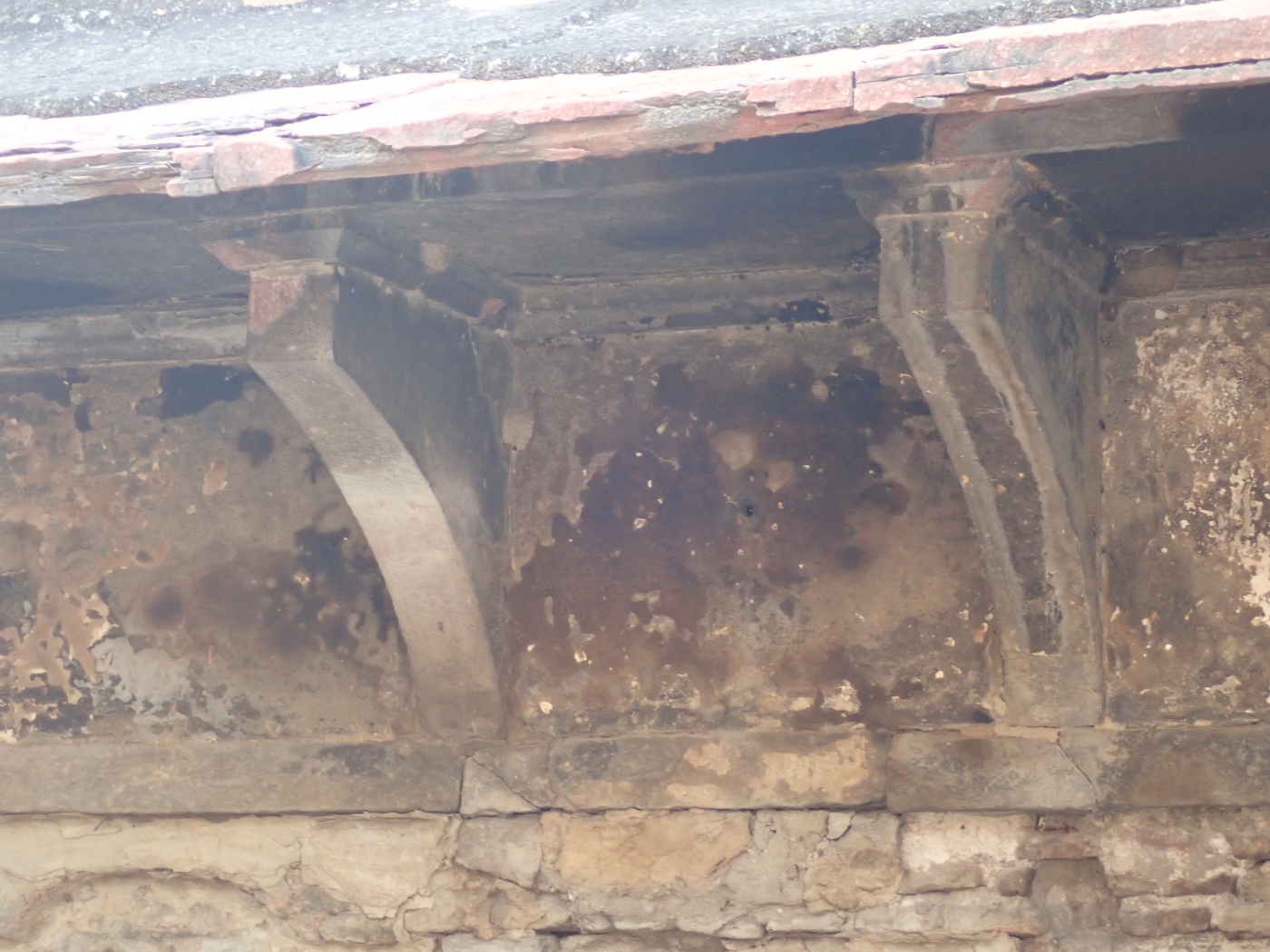
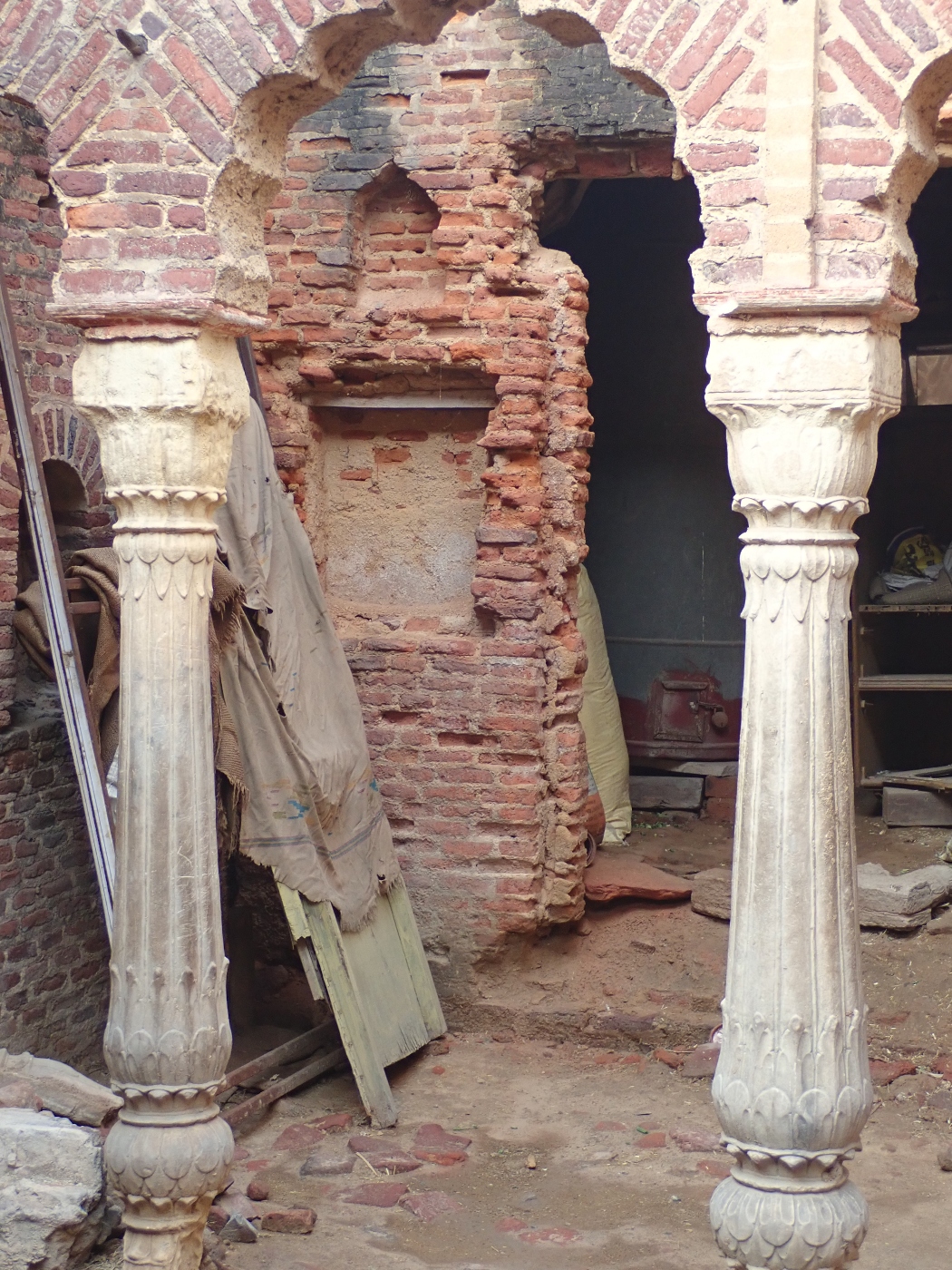
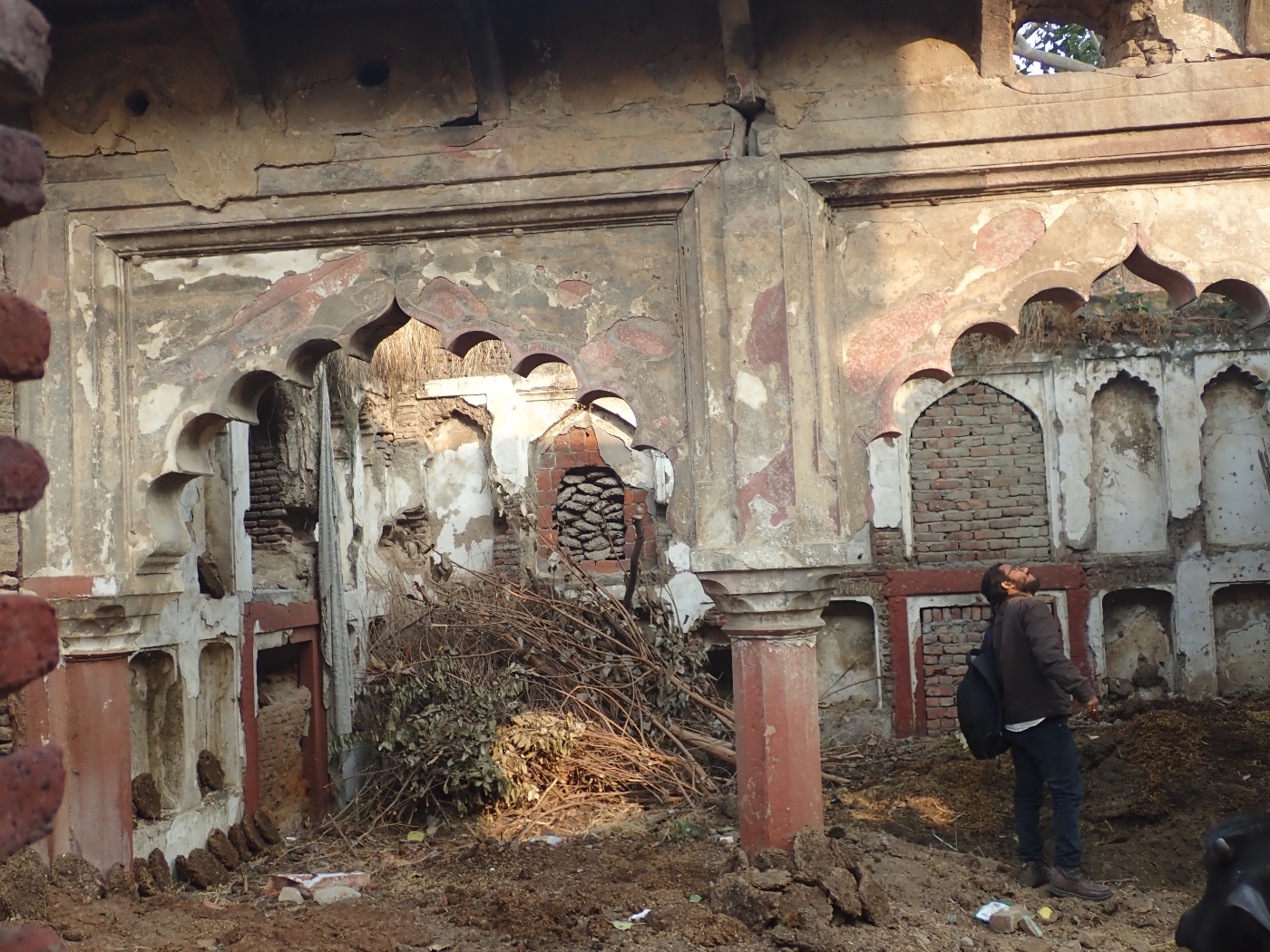
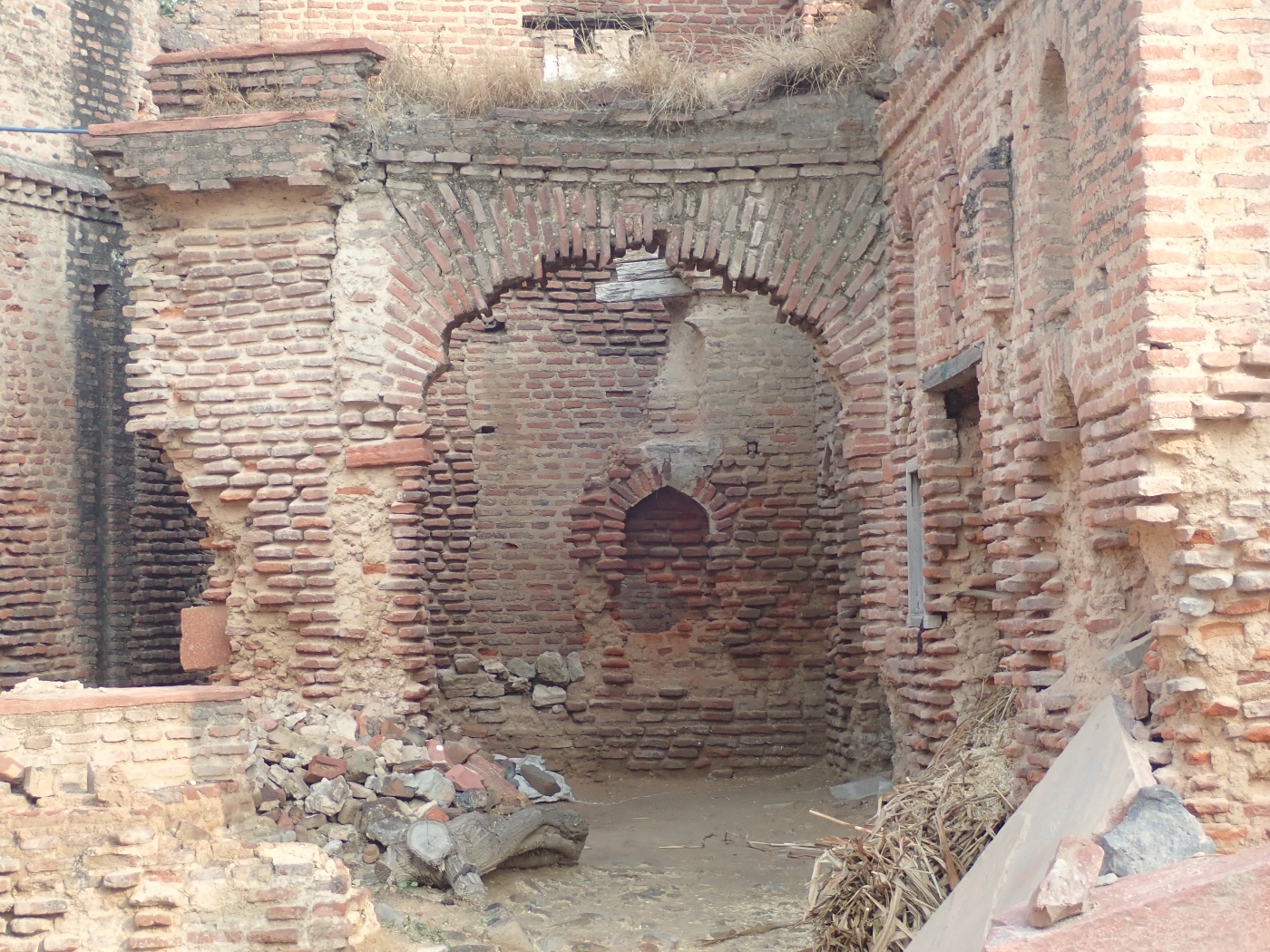
The Jaunti Shikargah is a large and impressive brick structure that showcases several architectural features characteristic of the Shahjahani style, a distinct style that flourished during the reign of Emperor Shah Jahan in the 17th century. This style is marked by intricate designs, arched forms, and a sense of grandeur, all of which are evident in the Jaunti Shikargah's design. The structure is double-storied, with entrances on all sides, providing easy access and offering a sense of openness. The southern side of the building features a verandah with foliated arched entrances, a common feature in Mughal architecture, which adds an element of elegance to the structure. Several rooms within the Shikargah are adorned with multiple niches, which were often used for decorative or functional purposes. These niches are supported by well-designed brackets, adding to the structural beauty and enhancing the aesthetic appeal of the building. The western side of the structure is particularly noteworthy for its verandah, built with red sandstone, which contrasts with the brick construction of the rest of the building and adds to the architectural richness of the site. The central compartment of the Jaunti Shikargah is roofed with a vaulted ceiling, another hallmark of Mughal architecture, providing both functional and aesthetic benefits. The vaulted ceiling adds a sense of height and space to the central area while also contributing to the structural integrity of the building. The overall design of the Shikargah reflects the Mughal penchant for creating spaces that were both practical and grand, serving as a testament to the architectural achievements of the time. The structure is situated in Jaunti Village, approx.10 km north of Rohtak road. Nearest Air Port - IGI Airport Nearest Railway Station - New Delhi Railway Station
The Jaunti Shikargah, located near Kanjhawala in outer Delhi, is a significant yet lesser-known historical structure dating back to the 17th century during the reign of Mughal emperor Shah Jahan. The term "shikargah" refers to hunting lodges, which were common features in the Mughal landscape. These lodges served as royal retreats for hunting expeditions, a prestigious activity that combined sport with displays of power and military practice. During Shah Jahan?s reign (1628?1658), a period known for its flourishing architectural achievements and public works, the Jaunti Shikargah was established as a place where the emperor and his entourage could engage in royal hunts while also utilizing the environment for military exercises. Hunting was not simply a recreational activity for the Mughal rulers; it also held a strategic purpose. The hunting lodges, such as the one in Jaunti, were utilized for qamargah?controlled hunts that also served as military training. In these hunts, wild animals were enclosed within a designated area, often a forest or meadow, and the activity became a form of practice for warfare. This dual purpose of recreation and military preparation was an essential aspect of Mughal life, blending the prestige of royal hunts with the necessity of honing skills for battle. The Shikargah, therefore, was not just a luxurious retreat but an important site for both leisure and martial training. Architecturally, the Jaunti Shikargah is a striking example of Mughal design. It is a double-storeyed structure with a distinctive central vaulted compartment on the upper floor, a hallmark feature of Mughal architecture. The upper floor would have been used as a vantage point, offering a panoramic view of the surrounding landscape. This would have allowed the emperor and his officials to oversee the hunting grounds, directing activities from a position of authority. Unfortunately, as time has passed, the structure has fallen into a state of neglect. Parts of the building have collapsed, and significant deterioration has occurred, a common fate for many historical structures that lack proper maintenance. The present condition of the Jaunti Shikargah is concerning, primarily due to neglect and urban encroachment. The surrounding area, once rural and isolated, has transformed into an urban village with over 200 families residing in the vicinity. Modern constructions have sprung up around the site, further threatening its preservation. The encroachment of urban development has blurred the lines between medieval and contemporary structures, making it increasingly difficult to distinguish the Shikargah from the surrounding urban sprawl. Despite its historical significance, the site has received little attention in terms of conservation or preservation, leading it to fade into obscurity. The Jaunti Shikargah is one of the largest surviving hunting lodges in the Delhi region, and its architecture offers a unique window into the grandeur of Mughal hunting traditions and military practices. Shah Jahan's contributions to architecture in Delhi are well-documented, and this site could further enrich our understanding of his reign, particularly in terms of how leisure activities intertwined with military strategy. However, without adequate preservation efforts, this valuable piece of Mughal heritage risks being lost to the ravages of time and urbanization. Efforts to conserve the Jaunti Shikargah could provide invaluable insights into Mughal history, offering a richer appreciation of their recreational and military practices, as well as their lasting impact on Delhi's architectural legacy.
Year of Built: 17th Century
Address: Jaunti Village, North West Delhi
Country: India
State: Delhi
District: North West Delhi
Pincode: 110081
Longitude: 76.9688
Latitude: 28.7492