
Indo Islamic Heritage


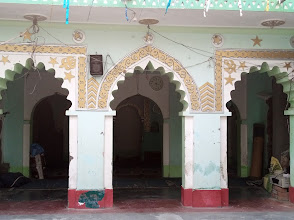
Gausia Masjid (غوثیہ مسجد), located in Narainapur, Bihar, is a modest yet spiritually significant mosque that serves as a place of daily worship and community bonding for the local Muslim population. Revered for its spiritual atmosphere and simple architectural charm, it holds a central place in the religious life of the village. The mosque's name, derived from the Sufi saint Ghaus-e-Azam, reflects its spiritual leanings. Known for its inclusive environment, Gausia Masjid plays a vital role during festivals like Eid and Ramadan, and serves as a space for Quranic education and communal gatherings throughout the year.
Nestled in the quiet rural setting of Narainapur, Bihar, the Gausia Masjid (غوثیہ مسجد) stands as a serene and spiritually vibrant center for the local Muslim community. Named in reverence to the eminent Sufi saint Abdul Qadir Gilani, often referred to as Ghaus-e-Azam, the mosque is deeply influenced by Sufi traditions and is affectionately regarded as a place of peace, remembrance, and unity. The architectural structure of the Gausia Masjid is humble, reflecting the rural simplicity of its surroundings. Constructed using local materials and community labor, the mosque is built with a single main dome and a small minaret that is used for the azaan (call to prayer). The entrance is adorned with simple Islamic motifs, and the interior features a clean prayer hall lined with prayer rugs and a mihrab pointing toward Mecca. Despite the modest size, the mosque is well-maintained, with a strong sense of communal pride and ownership among the residents of Narainapur. The masjid is active throughout the week, with the five daily prayers (salat) forming the cornerstone of its spiritual rhythm. On Fridays, the mosque sees an increased number of worshippers who gather for the Jumu’ah prayers, often followed by community discussions or small sermons focusing on moral teachings and spiritual growth. During Ramadan, Gausia Masjid becomes a central hub of religious activity. Special Taraweeh prayers, Quran recitation sessions, and Iftar meals bring the community together in a spirit of devotion and solidarity. The influence of Sufi practices is evident in the masjid’s environment, where zikr (remembrance of Allah) sessions are occasionally held, especially during nights associated with spiritual merit such as Shab-e-Baraat and Milad-un-Nabi. These gatherings, though small in scale, are marked by deep emotional and spiritual engagement, often involving the chanting of naats (devotional poetry) and collective prayers. In addition to being a site for worship, Gausia Masjid functions as an informal center for Islamic education. Children from nearby homes often attend maktab classes to learn the basics of Quranic Arabic, Islamic history, and moral conduct. The mosque also plays a social role by organizing zakat distribution, especially during Eid, ensuring support reaches underprivileged families in the area. The mosque is administered by a small but dedicated masjid committee, comprised of respected elders and volunteers from Narainapur. The committee oversees maintenance, fundraising, and ensures that the mosque remains a welcoming space for everyone regardless of sect, background, or social status. Gausia Masjid, though not grand in structure, holds a significant place in the heart of Narainapur’s Muslim community. Its Sufi-inspired spiritual identity, combined with its social and educational functions, makes it a cornerstone of faith and unity in this part of West Champaran. It stands as a quiet yet enduring testament to the communal strength, resilience, and devotion of rural Muslim life in Bihar.
Year of Built: Approx. mid-20th century
Address: 588P+32M, Narainapur, Bihar
Country: India
State: Bihar
District: West Champaran
Pincode: 845106
Longitude: 84.389901
Latitude: 26.830457