
Indo Islamic Heritage


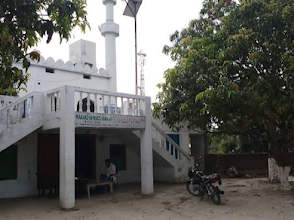
Misrauli Madarsa, located in the village of Misrauliya in Bihar's West Champaran district, is a well-known Islamic educational institution serving the local community. Positioned along the Bagaha Dhala Road, the madarsa provides essential religious and academic instruction to children and young adults. It fosters traditional Islamic learning alongside contemporary education. The madarsa has become a significant center of cultural and spiritual life for the surrounding rural population. Its peaceful environment and commitment to accessible education make it a cornerstone of the region's educational landscape. Over the years, Misrauli Madarsa has played a vital role in shaping young minds and preserving Islamic heritage.
Misrauli Madarsa, nestled in the quiet and modest village of Misrauliya, Bihar, is more than just an institution—it is a living tradition of faith, education, and cultural continuity. Situated along Bagaha Dhala Road in West Champaran district, the madarsa has long been an educational refuge for the children of the area, many of whom come from underprivileged or rural backgrounds. While the exact year of its establishment remains undocumented, locals recall the presence of this madarsa for several decades, making it an enduring part of the community's religious and educational identity. The madarsa primarily focuses on imparting traditional Islamic education, including the study of the Qur'an, Hadith, Fiqh (Islamic jurisprudence), and Arabic language. Classes are typically held in modest classrooms, sometimes with mats spread on the floor and chalkboards fixed to the walls, where students attentively learn under the guidance of dedicated teachers. The structure itself reflects simplicity, emphasizing humility and devotion, consistent with the ethos of madarsas across rural India. Over time, the madarsa has gradually integrated elements of modern education into its curriculum, including basic subjects like mathematics, science, and social studies, to ensure that its students are not left behind in the rapidly changing world. This dual approach helps prepare students both spiritually and intellectually, equipping them for higher studies or vocational paths if they choose to pursue them. What makes Misrauli Madarsa especially noteworthy is its role in the social fabric of the village. It acts as a hub for community gatherings, especially during religious festivals and observances. It is not uncommon for villagers—both children and elders—to congregate here during Ramadan, Eid, and other Islamic events, reinforcing the institution's place not only as a school but also as a spiritual and cultural anchor. Despite limited resources, the madarsa operates with a deep sense of commitment. Teachers often come from nearby towns or are alumni of the institution who have returned to give back. Community support plays a crucial role in its functioning—whether through small donations, volunteer work, or simply by sending children to the madarsa. In recent years, there have been quiet but determined efforts to enhance the infrastructure of the madarsa. Tin roofs have been replaced with concrete slabs, solar panels have been installed to address electricity shortages, and clean drinking water facilities have been introduced. These developments, though modest, represent a step forward in preserving and strengthening the institution’s relevance in contemporary times. Ultimately, Misrauli Madarsa is not just a center for learning; it is a symbol of resilience, faith, and the power of education to uplift even the most remote communities. Its continued existence and service to the community reflect the deep-rooted values of knowledge, discipline, and spiritual growth in rural Bihar.
Year of Built: Estimated mid-20th century
Address: VCXR+M95, Bagaha Dhala Rd, Misrauliya, Bihar, India
Country: India
State: Bihar
District: West Champaran
Pincode: 845450
Longitude: 84.1436
Latitude: 27.1104