
Indo Islamic Heritage


.JPG)
.JPG)
Jahanara Begum (1614-1681), the eldest daughter of Mughal Emperor Shah Jahan and Empress Mumtaz Mahal, was an influential figure in the Mughal court, renowned for her intellect, political insight, and spiritual devotion. As an unmarried princess, she navigated the complexities of court life with remarkable acumen, serving as a trusted advisor to her father. The Nearest Bus Stand - Nizamuddin Bus Stand, The Nearest Metro Station - Nizamuddin , Nearest Railway Station- Hazrat Nizamuddin Railway Station Railway Station Nearest Airport- IGI
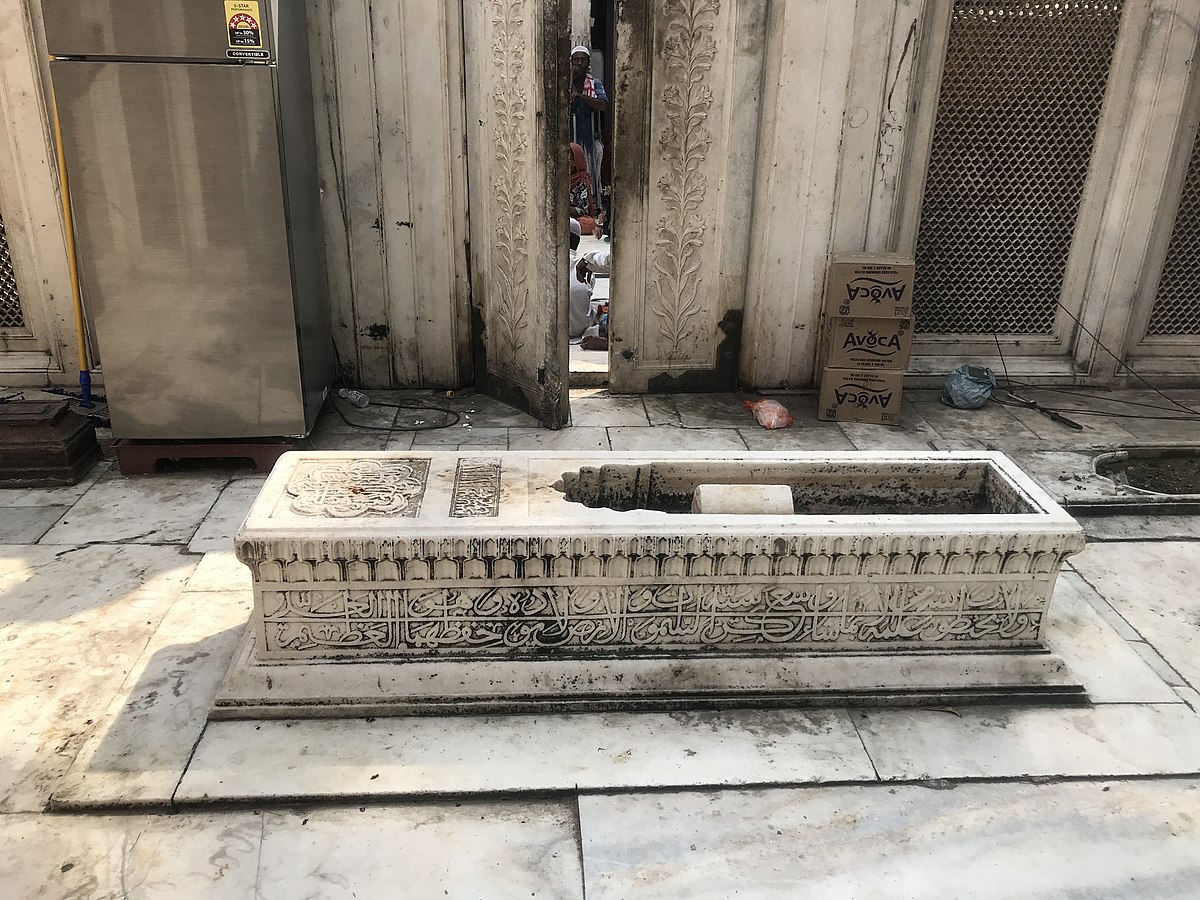
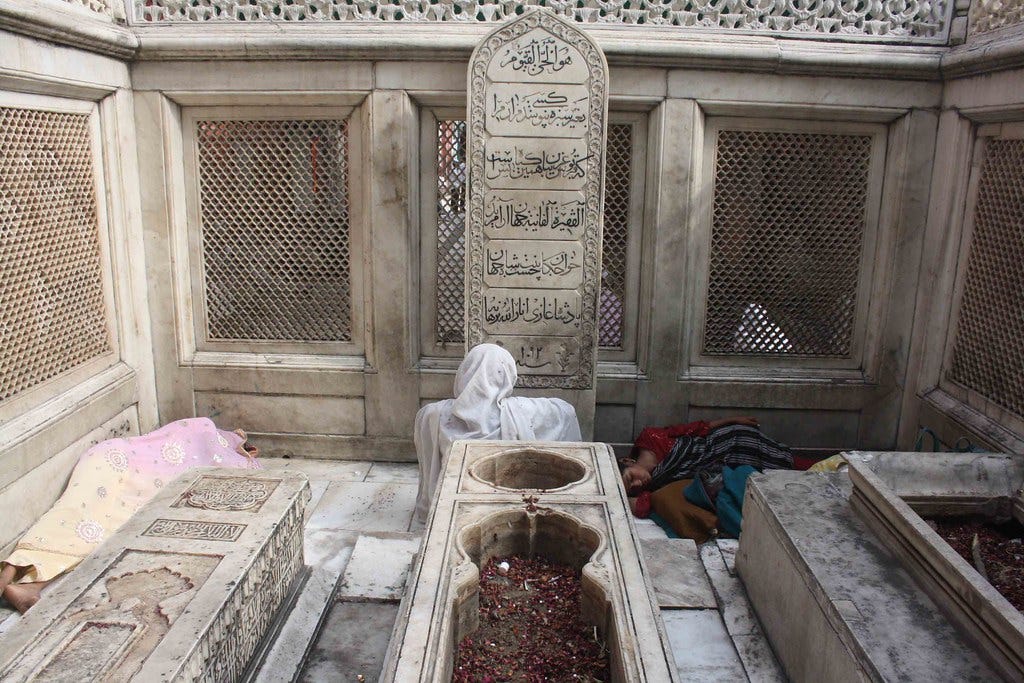
Jahanara's tomb is located within the Nizamuddin Dargah complex in Delhi, India, close to the resting place of the revered Sufi saint Hazrat Nizamuddin Auliya, to whom she was deeply devoted. This proximity underscores her spiritual connection and deep respect for Sufi teachings. The tomb's simplicity starkly contrasts with the grandeur typically associated with Mughal architecture, reflecting Jahanara's profound Sufi leanings and personal humility. Her tomb is unique in its design, adhering to her wish to embody modesty and spiritual wealth over material grandeur. Unlike other Mughal tombs, which are celebrated for their opulence and intricate design, Jahanara?s tomb is open to the sky, devoid of a roof, symbolizing her desire to remain "exposed to the light of heaven." This open design further underscores her deep sense of spirituality and rejection of worldly ostentation. The cenotaph, crafted from pristine white marble, is adorned with an inscription in Persian that beautifully encapsulates her humility. The inscription translates to: "Let nothing cover my grave but green grass, for that is the best covering of the grave of the poor in spirit." These words resonate deeply with her Sufi beliefs, emphasizing simplicity and spiritual richness. The minimalistic aesthetic of her tomb serves as a powerful statement of her values, contrasting with the architectural magnificence of other Mughal structures such as the Taj Mahal or Humayun?s Tomb. The choice of location near the Nizamuddin Auliya Dargah further amplifies the spiritual significance of her final resting place. This area, being a pilgrimage site for devotees of Sufism and a destination for history enthusiasts, underscores the enduring importance of Jahanara's life and beliefs. The tomb was established following her death in 1681 and built in accordance with her explicit wishes for a simple and humble burial. Her family honored her desire by commissioning this understated monument, which serves not as a display of imperial grandeur but as a testament to her devotion to Sufi ideals. Despite her high status as a Mughal princess, Jahanara chose to be remembered for her spiritual depth rather than her royal heritage, a choice that sets her apart from other figures of her time. Her legacy as a compassionate princess, a devoted follower of Sufism, and a philanthropist continues to inspire. Today, her tomb draws visitors not only for its historical significance but also for the spiritual reflection it offers, standing as a poignant reminder of her modest yet impactful life.
Year of Built: 17th Century
Address: Nizamuddin, Nizammudin West Slum, Nizamuddin West, New Delhi, Delhi
Country: India
State: Delhi
District: South Delhi
Pincode: 110013
Longitude: 77.14.31
Latitude: 28.35.29