
Indo Islamic Heritage


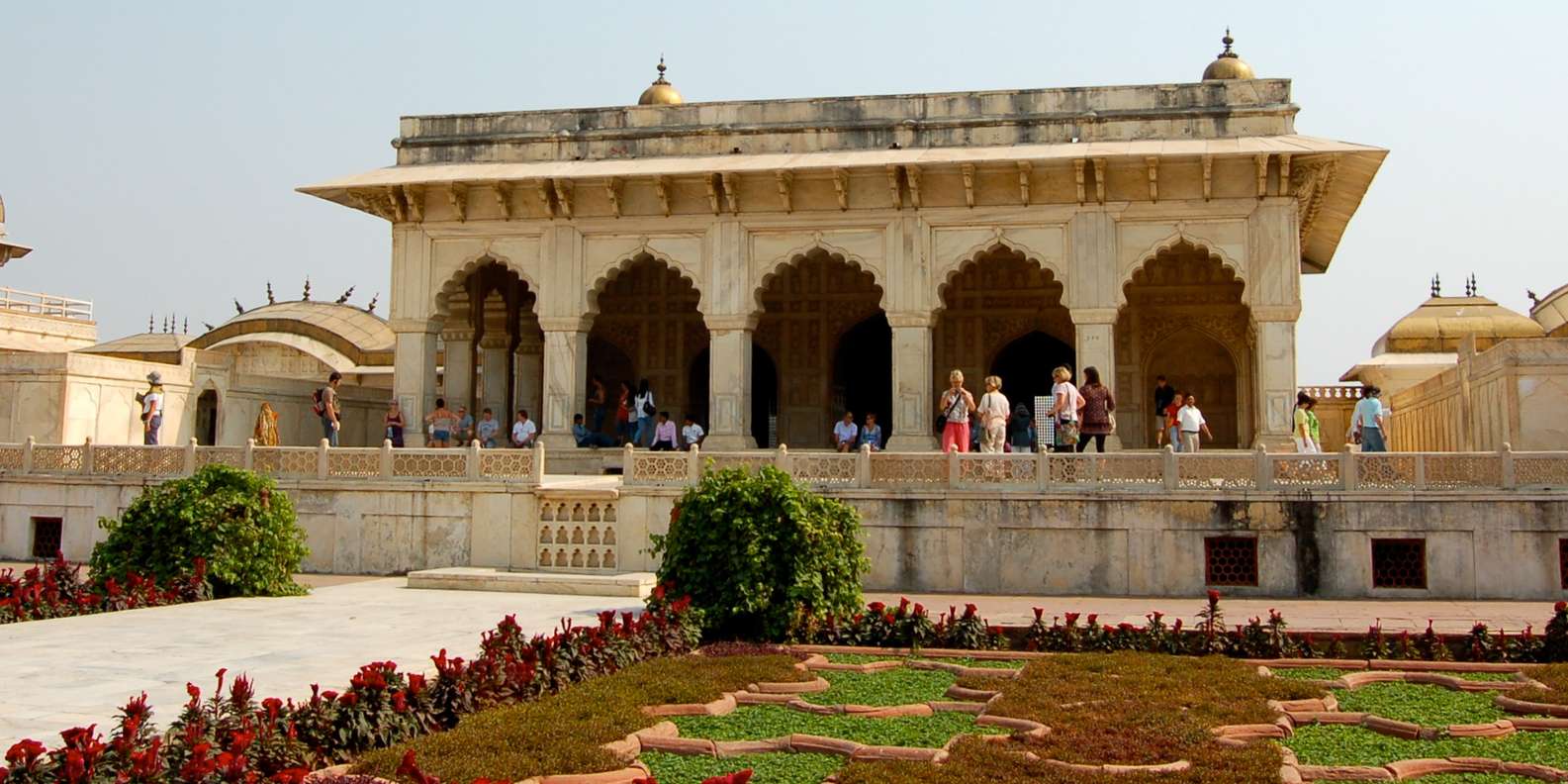
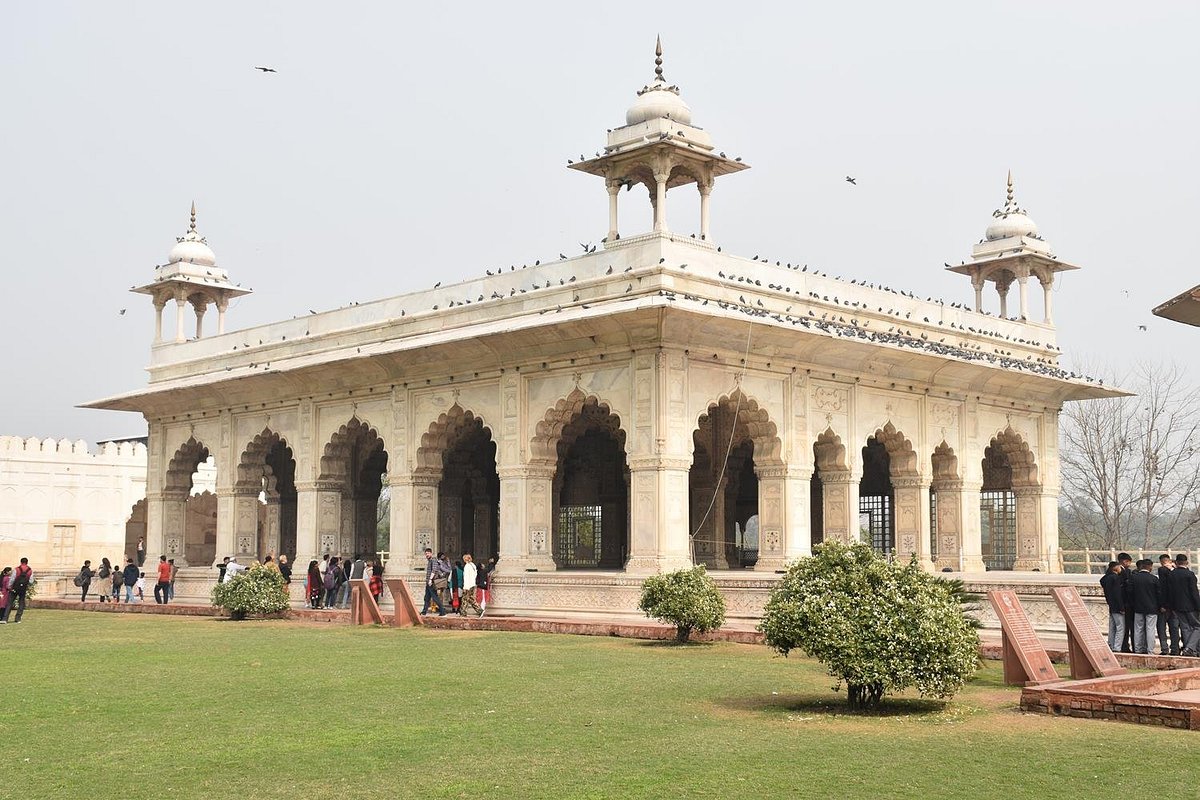

The Khas Mahal, nestled within the grand Red Fort in Delhi, served as the private residence of the Mughal emperors. This elegant structure reflects the opulence and sophistication of Mughal architecture. It is part of the larger Red Fort complex, which was not only a defensive bastion but also the center of governance for the Mughal Empire. The Nearest Bus Stand - Red Fort, The Nearest Metro Station - Jama Masjid , Nearest Railway Station- New Delhi Railway Station Railway Station Nearest Airport- IGI
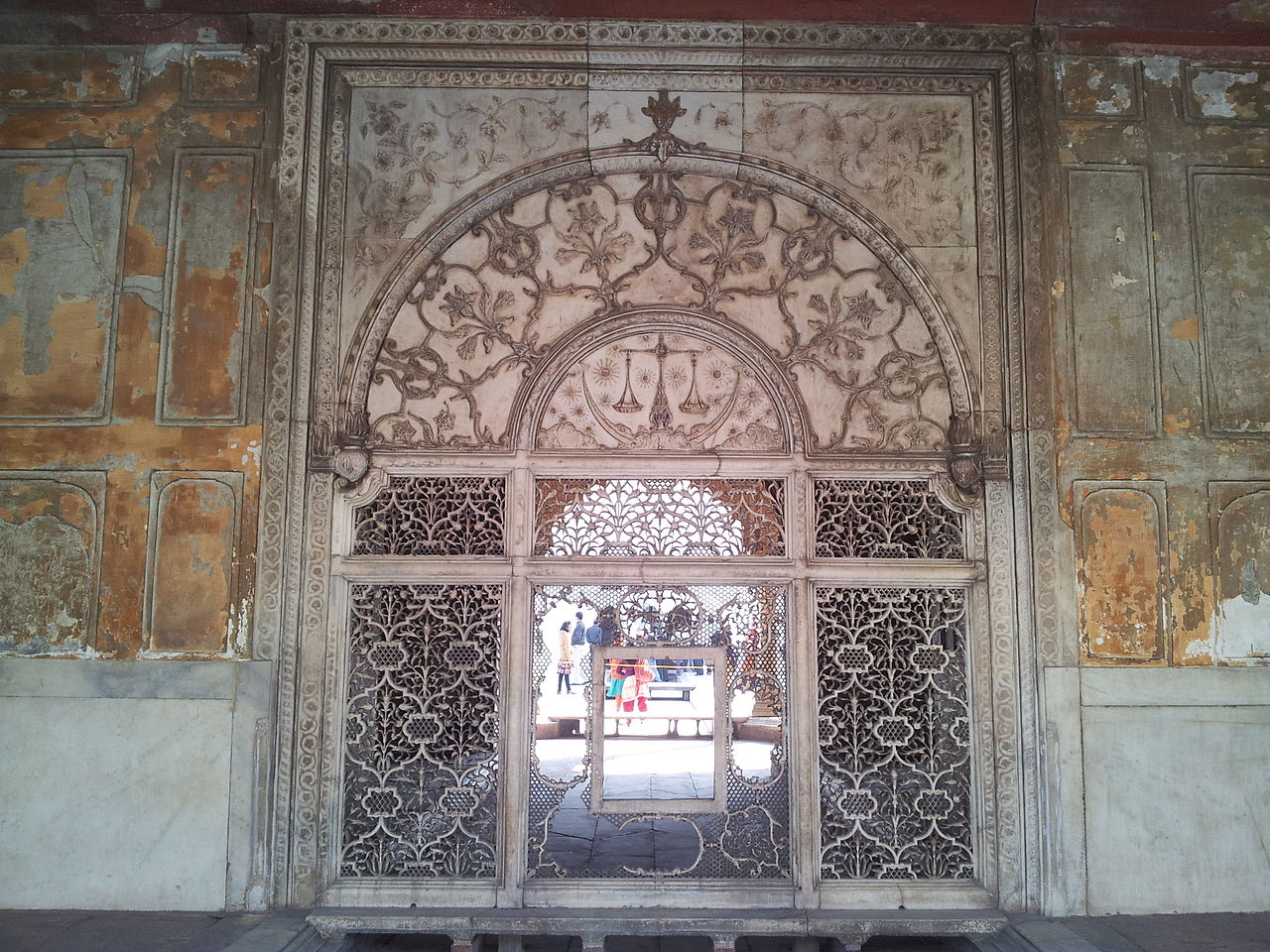
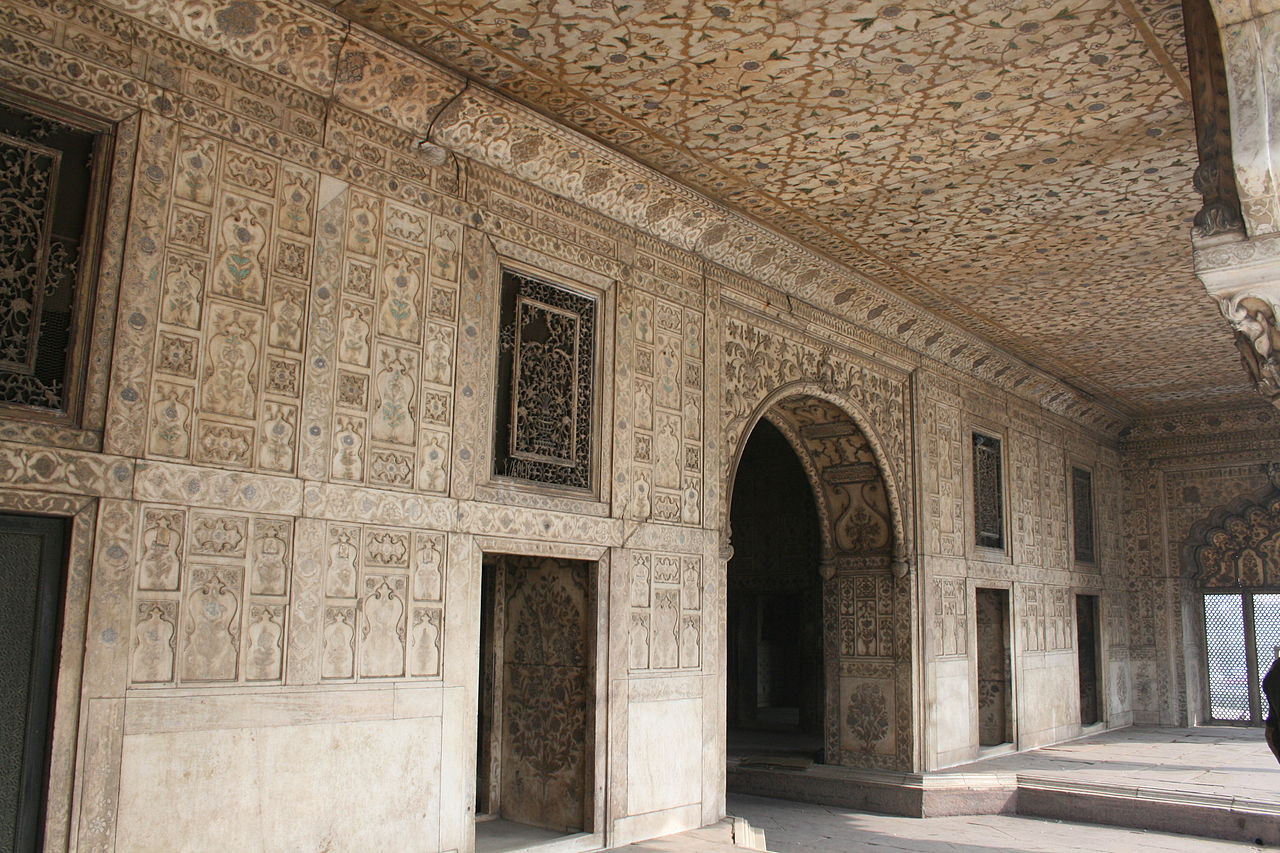
The Khas Mahal, located within the Red Fort in Delhi, served as the private residence of the Mughal emperor and is one of the most exquisite examples of Mughal architecture. The structure consists of three main sections: the Chamber of Telling Beads (Viz-tasbih-khana), the sleeping chamber (Khwabgah), and the wardrobe or sitting room (Tosha-khana or Baithak). Each part was designed to reflect the grandeur of the emperor's lifestyle, with intricate craftsmanship and lavish detailing that symbolized the royal authority of the Mughal dynasty. The interior of the Khas Mahal is a testament to the Mughal Empire's aesthetic and artistic achievements. It is decorated with delicate carvings in white marble, which are further enhanced by colorful floral motifs painted on the surfaces. The ceiling of the structure was partially gilded, adding a touch of luxury to the space. One of the most notable features of the Khas Mahal is the marble screen, which is carved with the scale of justice (Mizan-i-adal). This scale symbolized the emperor's role as the ultimate dispenser of justice, an important aspect of Mughal governance and ideology. The Mizan-i-adal is not just a decorative element but a significant piece of Mughal art, representing the emperor?s commitment to fairness and impartiality in his rule. To the east of the Khas Mahal stands the Octagonal Tower (Muthamman Burj), a prominent architectural feature of the Red Fort. This tower was an important part of the emperor?s daily rituals, as it served as the place where the emperor would address his subjects during the Jharokha Darshan ceremony. Each morning, the emperor would appear at the window of the Octagonal Tower to greet and bless his people, allowing them to glimpse their ruler and receive his royal favor. The Jharokha Darshan was a significant event, symbolizing the emperor's divine right to rule and his connection with his subjects. The combination of architectural beauty, symbolic significance, and royal function makes the Khas Mahal an integral part of the Red Fort and a key representation of Mughal splendor.
Year of Built: 16th Century
Address: Netaji Subhash Marg, Lal Qila, Chandni Chowk, New Delhi, Delhi,
Country: India
State: Delhi
District: Central Delhi
Pincode: 110006
Longitude: 77.243579
Latitude: 28.656087