
Indo Islamic Heritage


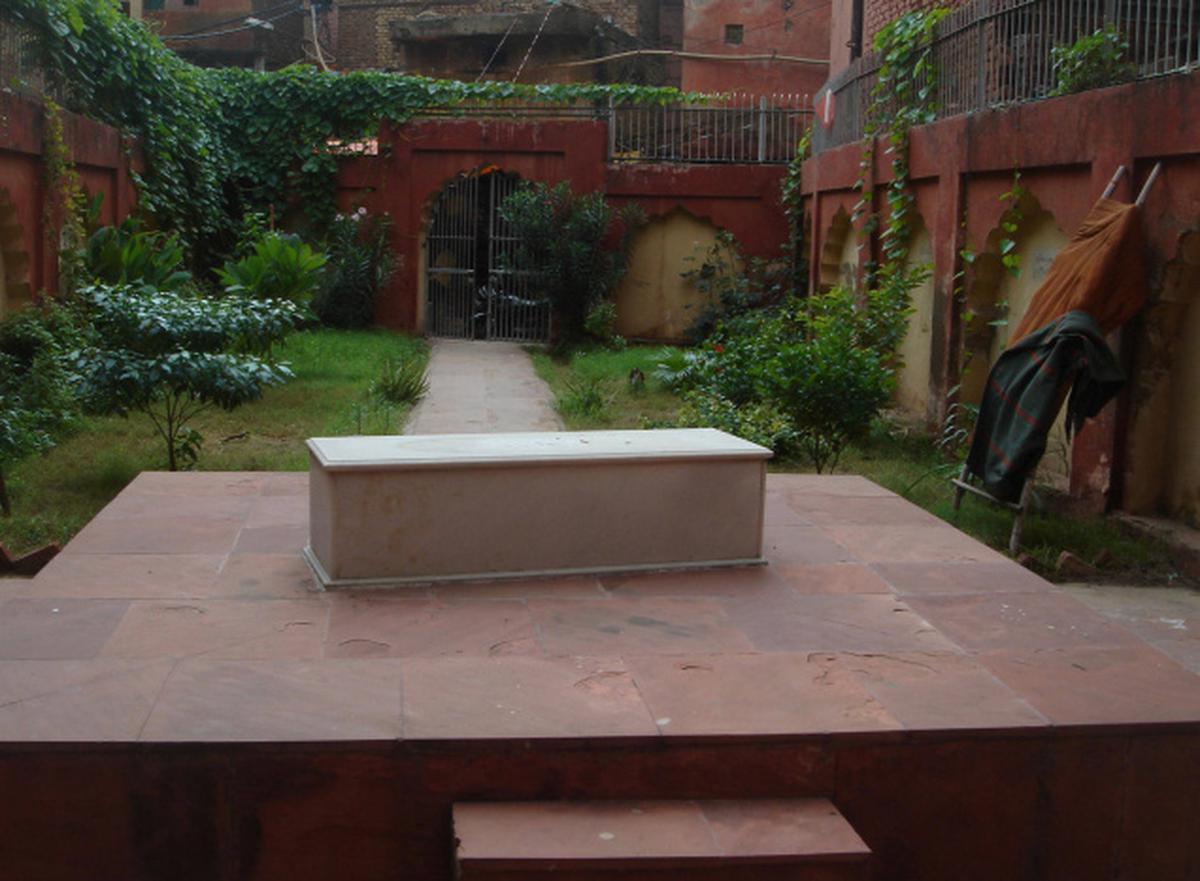
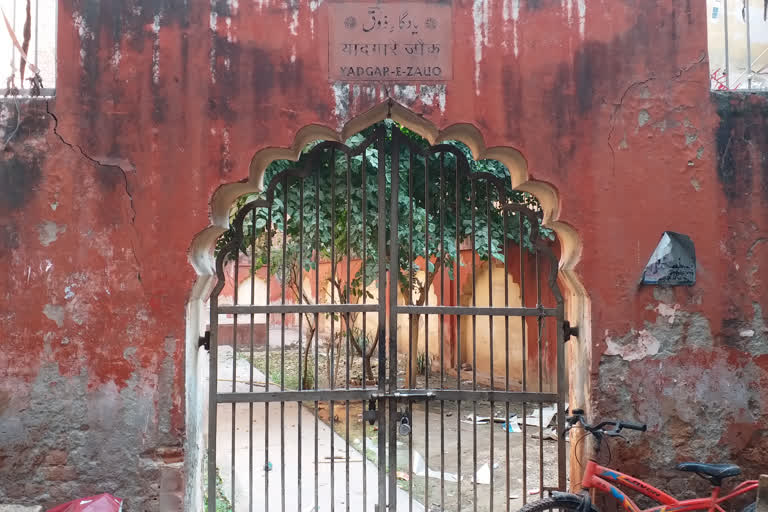
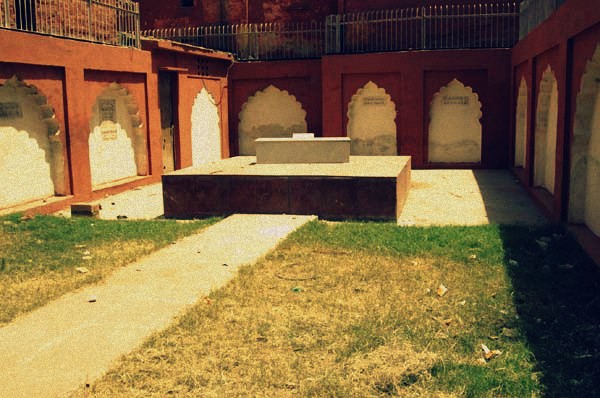
Sheikh Muhammad Ibrahim Zauq, commonly known by his pen name Zauq, was a prominent Urdu poet and scholar during the late Mughal period. Born in 1790, he rose to fame at a young age, becoming the poet laureate of the Mughal Court in Delhi at just 19. His poetry was marked by its classical style, often reflecting themes of love, beauty, and spirituality. Zauq?s contributions to Urdu literature earned him great respect among his contemporaries, including the Mughal emperor Bahadur Shah II Zafar, who was also his disciple. Zauq was honored with the title Khaqani-e-Hind (The Khaqani of India), a reference to the renowned Persian poet Khaqani, recognizing his literary prowess. He continued to serve as an influential figure in the Mughal Court until his death in November 1854. His works remain celebrated in the history of Urdu poetry. The Nearest Bus Stand - Paharganj, The Nearest Metro Station - Paharganj , Nearest Railway Station- New Delhi Railway Station Railway Station Nearest Airport- IGI
Sheikh Muhammad Ibrahim Zauq, born in 1790 in Delhi to a Khatri family, faced significant hardships in his early life, including surviving a smallpox attack despite his family's extreme poverty. His father could not afford a formal education for him, so Zauq attended a local maktab run by Hafiz Ghulam Rasool, a poet who introduced him to the world of poetry. Under Hafiz?s mentorship, Zauq adopted the pen name "Zauq" and began his poetic journey. Though he never completed his religious schooling, his passion for poetry grew, and he became a pupil of the renowned poet Shah Naseer. Zauq's natural talent quickly became evident, and he began participating in mushairas (poetry gatherings). His growing fame, however, led to tensions with his mentor, Shah Naseer, who became frustrated with Zauq's rising popularity and eventually expelled him from his group. Zauq?s fortunes changed when his friend Meer Kazim Husain Beqarar, who became the mentor of the Crown Prince Bahadur Shah Zafar, facilitated his entry into the royal court. He soon became a regular participant in the royal mushairas and was appointed the poet laureate of the Mughal Court. Zauq's literary output was largely focused on eulogies, which earned him renown for his command over language and mastery of difficult poetic meters. His ghazals, though simpler in diction, also gained recognition for their spontaneity and reflection of his deeply religious and ethical themes. Zauq?s poetry was marked by a blend of linguistic eloquence and cultural resonance, especially as he emulated his mentor?s style in writing eulogies. Zauq continued to serve as the Mughal poet laureate until his death in 1854. Much of his work was lost during the 1857 mutiny, but a collection of his poetry, compiled by Maulana Muhammad Hussain Azad, survives, containing twelve hundred couplets of ghazals and fifteen eulogies. Zauq?s legacy endures, particularly in the realms of ghazal, qasida, and mukhammas, even though his grave, located in Paharganj, Delhi, remains one of the few remnants of his life and work.
Year of Built: 19th Century
Address: Bylanes of Paharganj, Delhi.
Country: India
State: Delhi
District: Central Delhi
Pincode: 110055
Longitude: 77.2128
Latitude: 28.6456