
Indo Islamic Heritage


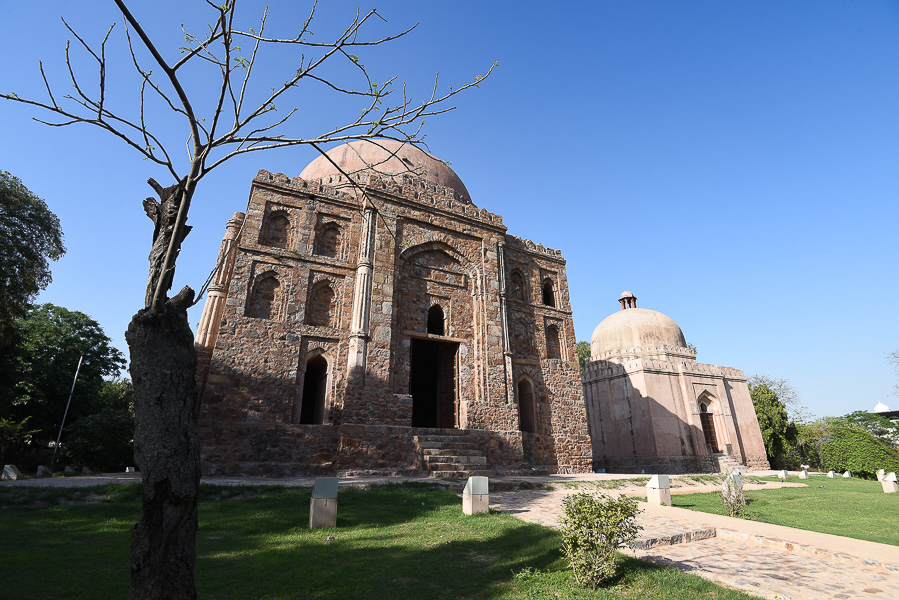
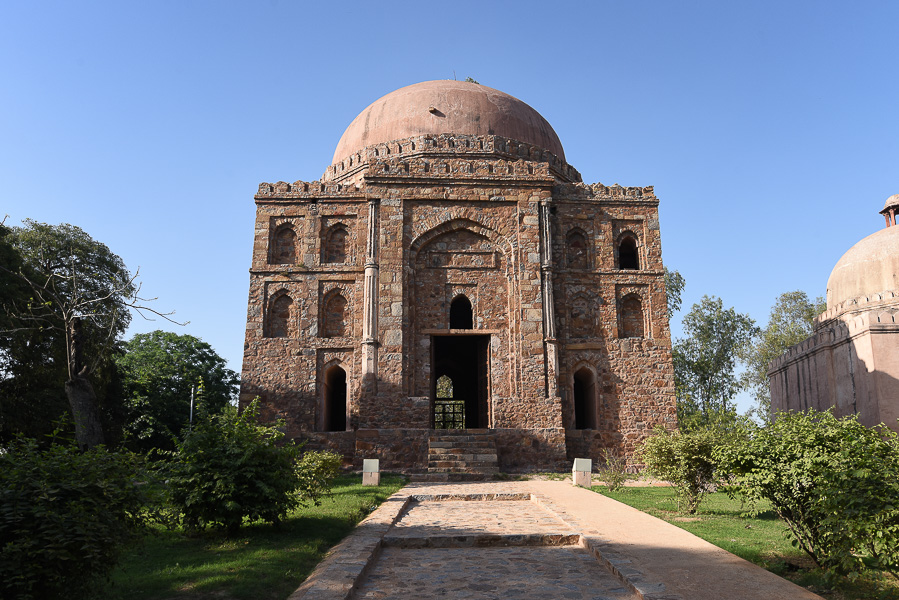
The name "Dadi ka Gumbad" translates to "Grandmother's Dome," while "Poti" means "granddaughter" in Urdu. These names are used to refer to the two tombs located near each other, often called the "Dadi-Poti tombs." The term "Dadi-Poti" is derived from the relationship between the two structures?one being larger, and the other smaller, with "Dadi" (grandmother) signifying the larger tomb and "Poti" (granddaughter) referring to the smaller one The Nearest Bus Stand Hauz Khas, 4 min walk, The Nearest Metro Station - Green Park, 11 min walk, Nearest Railway Station- New Delhi Railway Station Railway Station Nearest Airport- IGI
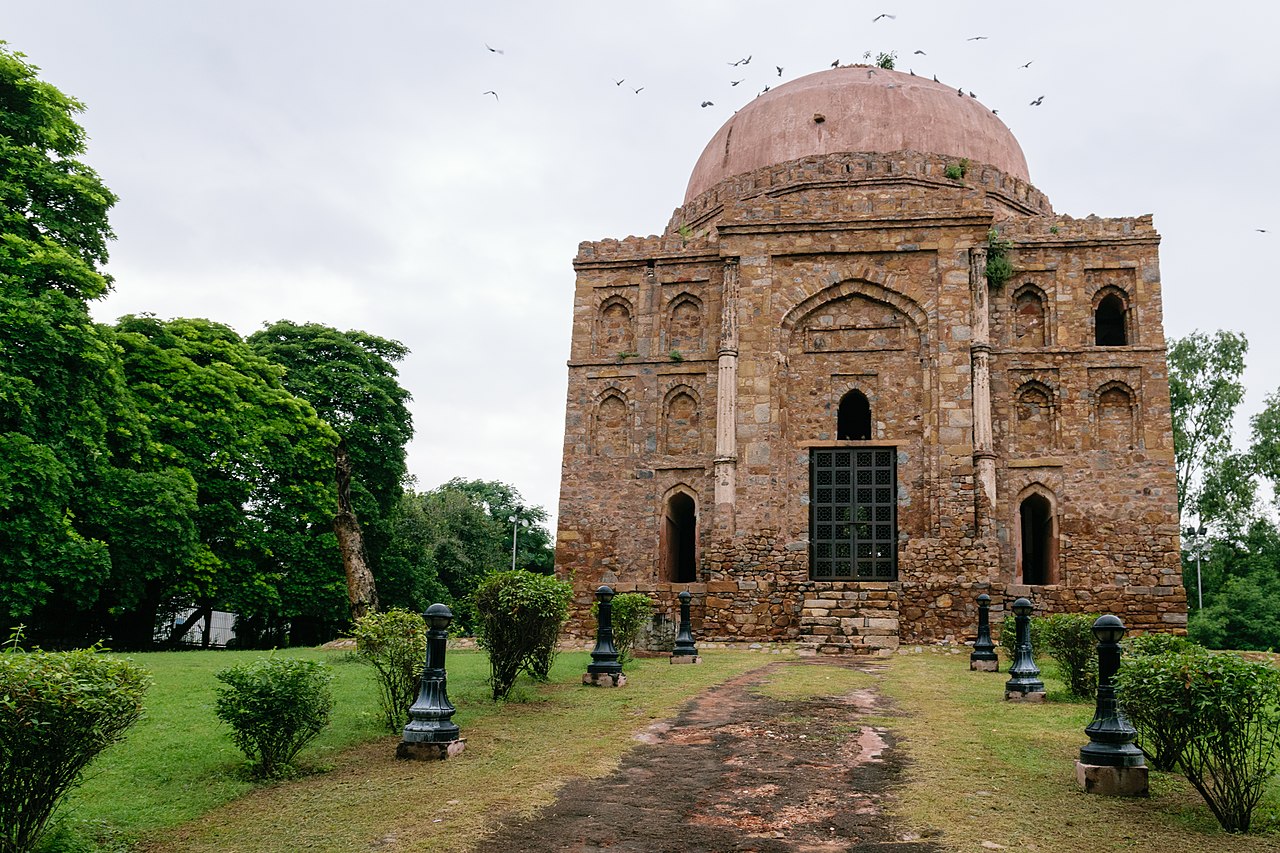
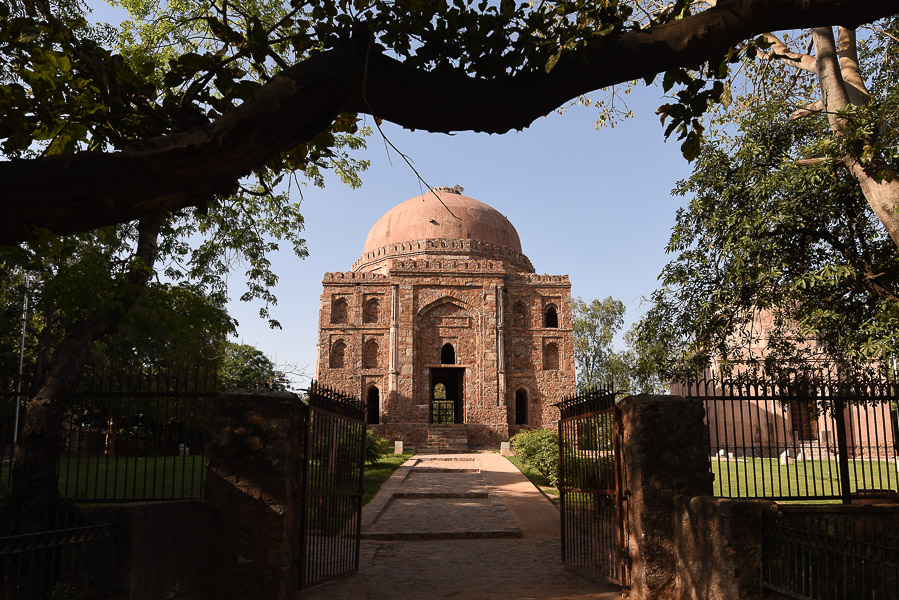
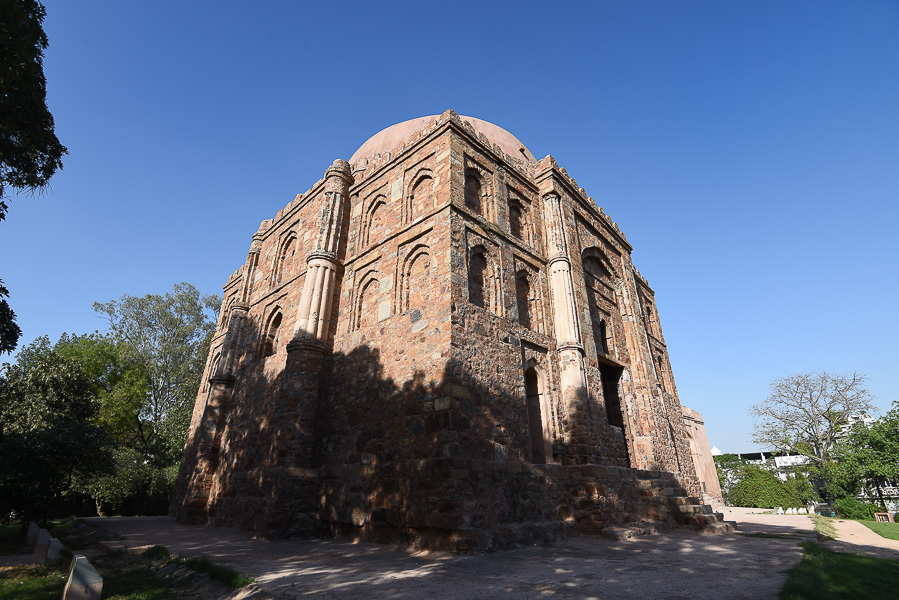
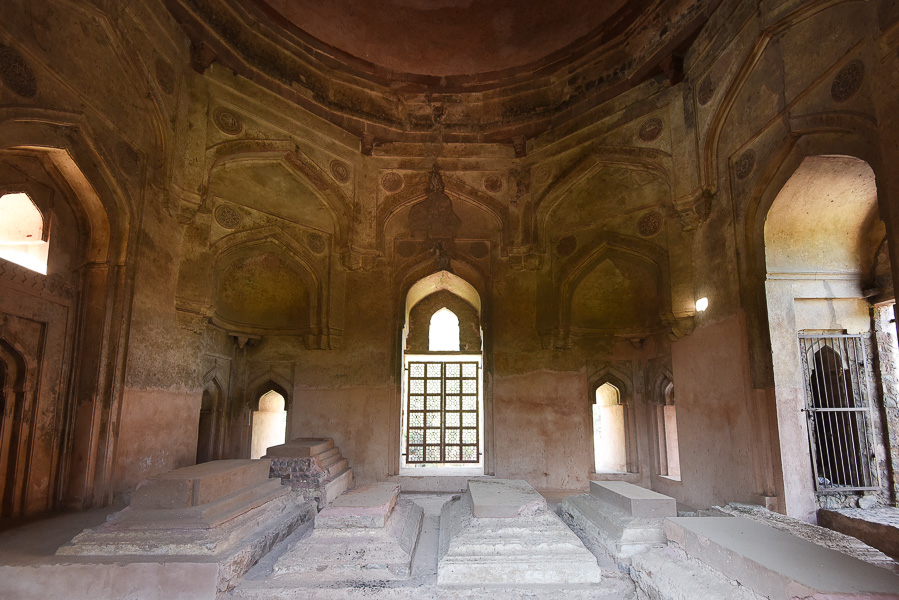
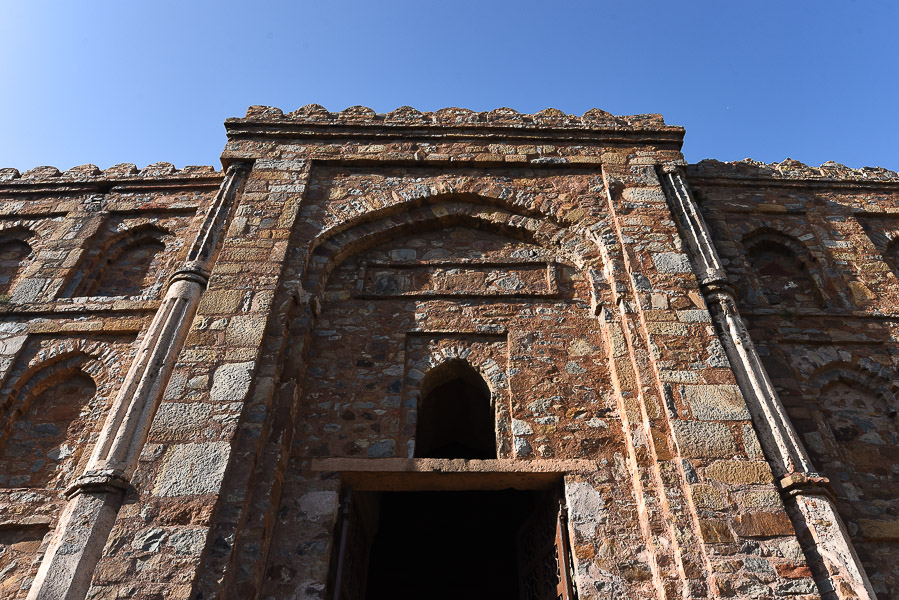
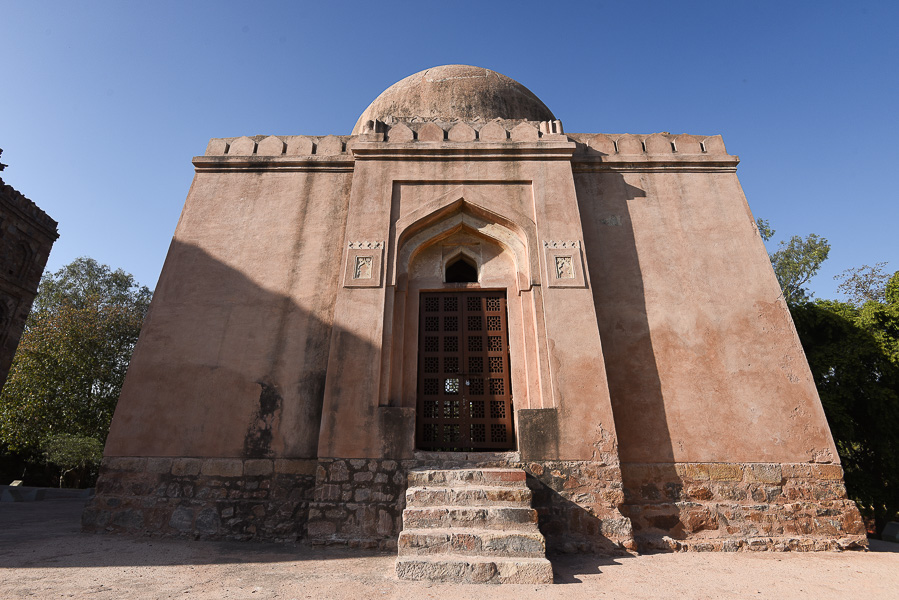
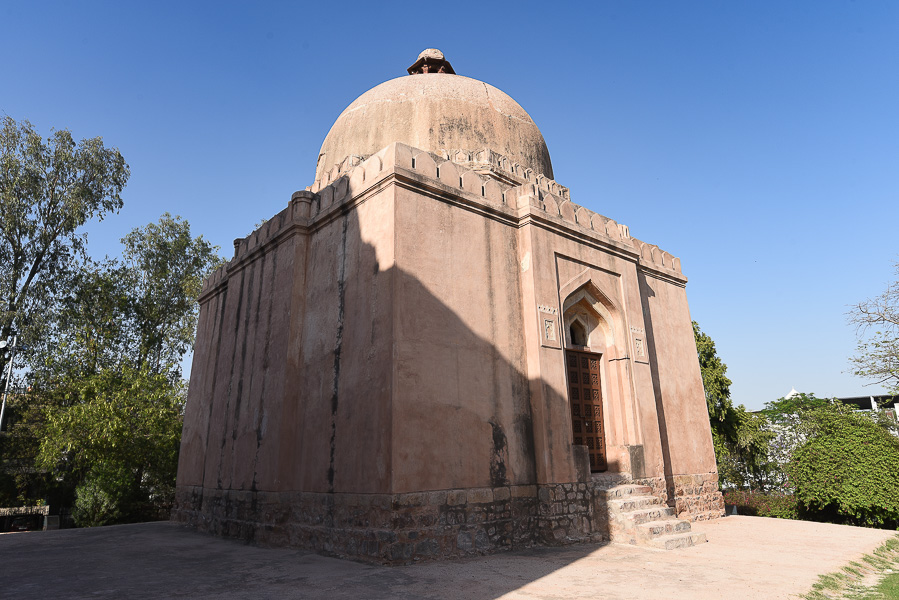
The Dadi-Poti tombs are located to the north of the roadway that runs from Sri Aurobindo Marg in the east to Deer Park in the west. These tombs are situated on an elevated knoll and can be accessed from the south. The term "Dadi-Poti," meaning "grandfather-granddaughter," does not carry any particular significance beyond the fact that one tomb is larger than the other. Unfortunately, the original name of these tombs and the identities of their occupants have been lost to history. The smaller of the two tombs is believed to have been constructed first, as its weathered, sloped walls and austere appearance are characteristic of Tughluq-period architecture, which dates from 1321 to 1414. This smaller structure measures 11.8 meters on each side and features a tall dome, crowned by a hexagonal lantern. Inside the tomb, three cenotaphs of varying sizes can be found. On the east facade of the tomb, two staircases lead up from the opening to the rooftop, but both the rooftop and the interior are restricted to visitors and cannot be accessed. The larger monument, measuring 15.86 meters on each side, is more architecturally striking due to the survival of some decorative features, including fluted columns and niches with nested archways. This tomb likely dates from the Lodhi period, which spanned from 1451 to 1526. While much of the surface decoration has been lost over time, the tomb?s rough, mottled appearance?created from irregularly shaped rubble?was probably once covered with plaster or, less likely, marble. During periods of shifting political power, it was common for the decorative elements of older monuments, such as marble cladding, to be removed and repurposed in newer constructions. On the south facade of the larger tomb, there is a frame for what was once a calligraphic plaque or another type of epigraphic marker, but it is now empty. Only traces of plasterwork remain on the fluted columns and in a few small areas of the cornice, hinting at the tomb's once ornate surface finish.
Year of Built: 15th Century
Address: Block L, Green Park, New Delhi, Delhi
Country: India
State: Delhi
District: South Delhi
Pincode: 110016
Longitude: 77.1212.92
Latitude: 28.3311.74