
Indo Islamic Heritage


.jpeg)
.jpeg)
.jpg)
The Nearest Bus Stand - Mehrauli Terminal, The Nearest Metro Station - Qutub Minar, Nearest Railway Station- New Delhi Railway Station Railway Station Nearest Airport- IGI
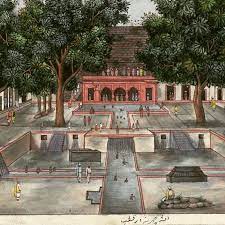
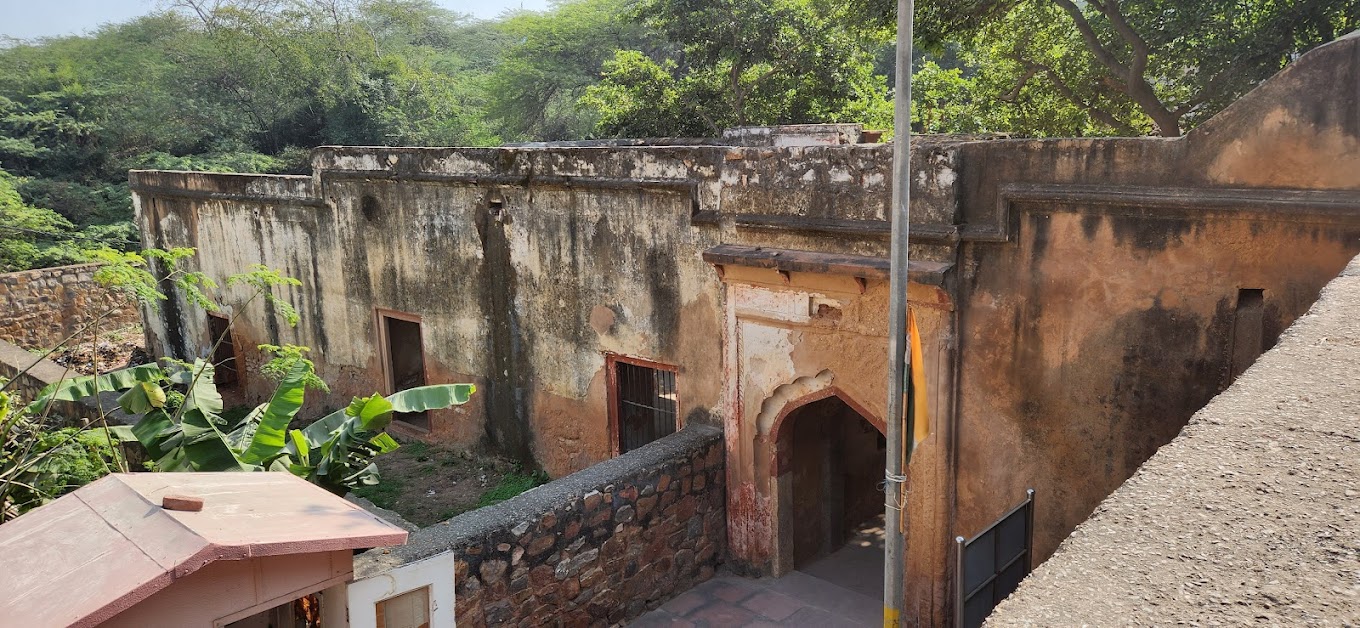
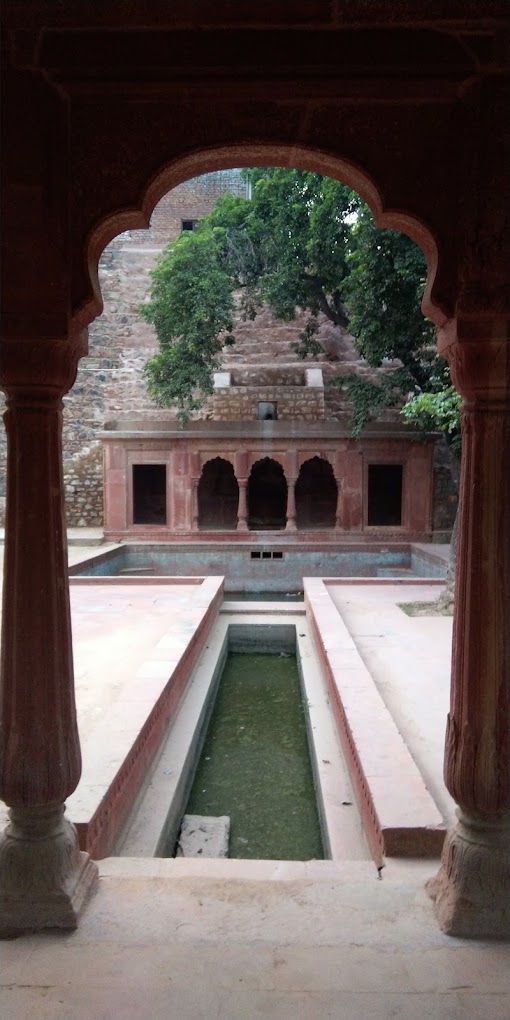
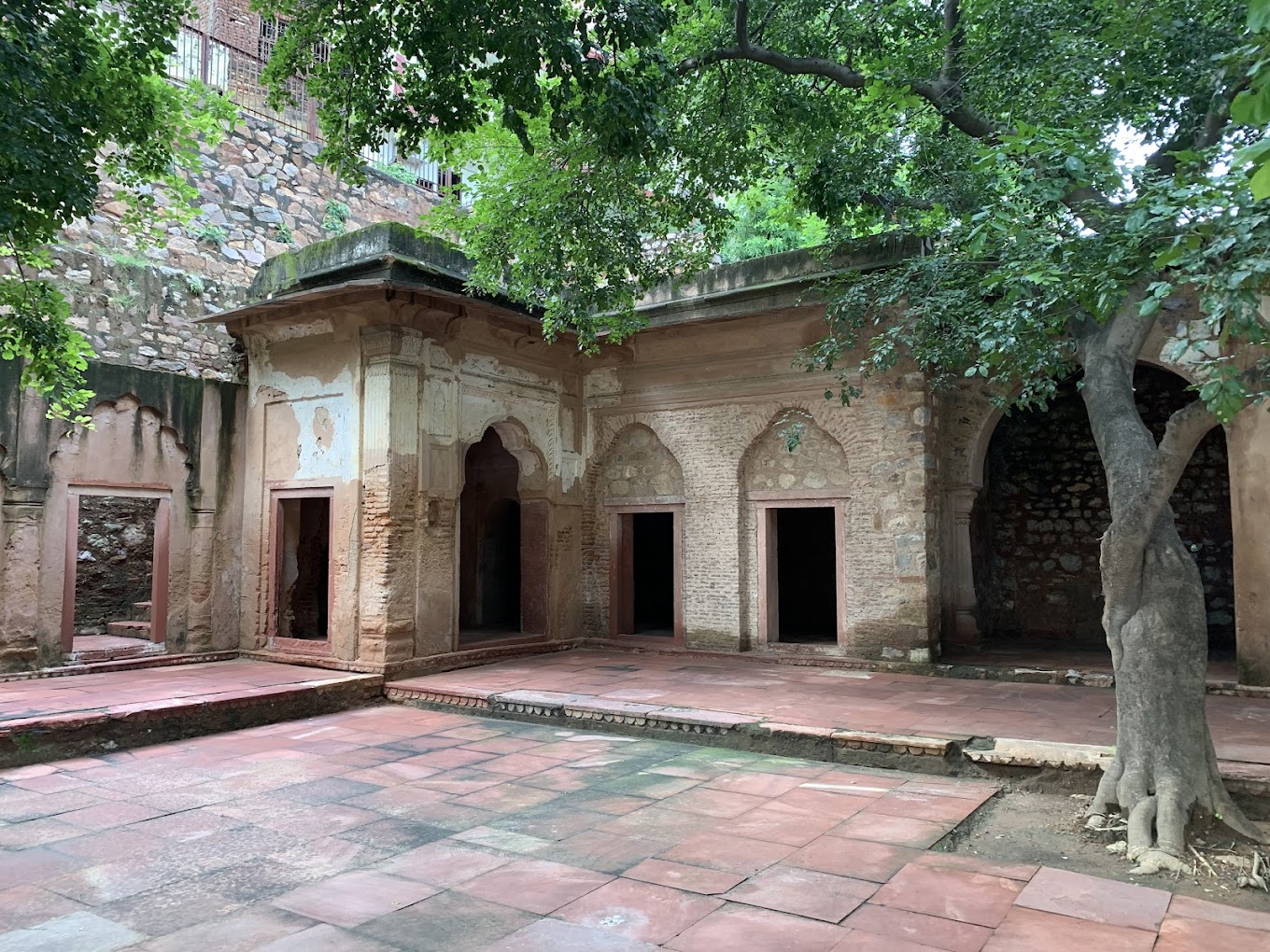
The Jharna, a significant historical and architectural marvel, has undergone considerable transformation since its construction. Initially built by Firoz Shah Tughlaq to drain surplus water from the Shamsi Talab dam, it evolved into a formal garden under Nawab Ghaziuddin Khan Firoz Jang around 1700 CE. This garden, with its fountains and water channels, showcased the influence of Mughal architecture. Mughal emperors, including Akbar Shah II and Bahadur Shah Zafar, added elements such as arched pavilions and baradaris, drawing inspiration from the Hayat Baksh pool of the Red Fort. The Jharna today blends history and recreation, retaining much of its original design, including two interconnected tanks?one square and the other rectangular?that regulate overflow water from the Hauz-i-Shamsi. Its centerpiece is a baradari surrounded by smaller pavilions, each with multi-foil arches, a distinctive feature of late Mughal architecture. These pavilions are supported by baluster columns, with intricate leaf-patterned bases and fluted shafts, constructed using lakhori bricks, which contribute to the overall unique character of the complex. The Jharna is also known for hosting the annual Sair-e-Gul Faroshan, or Phool Walon Ki Sair, a colorful festival that celebrates local traditions. It continues to be an important cultural space, balancing its historical significance with its role as a lively recreational area.
Year of Built: 13th Century
Address: Aam Bagh, Brijwasi Colony, Mehrauli, New Delhi, Delhi
Country: India
State: Delhi
District: South Delhi
Pincode: 110030
Longitude: 77.1787
Latitude: 28.5205