
Indo Islamic Heritage


_in_Delhi_Zoo,_india.jpg)
The Nearest Bus Stand - Apollo Hospital, The Nearest Metro Station - Jasola Apollo, Nearest Railway Station- Hazrat Nizamuddin Railway Station Railway Station Nearest Airport- IGI
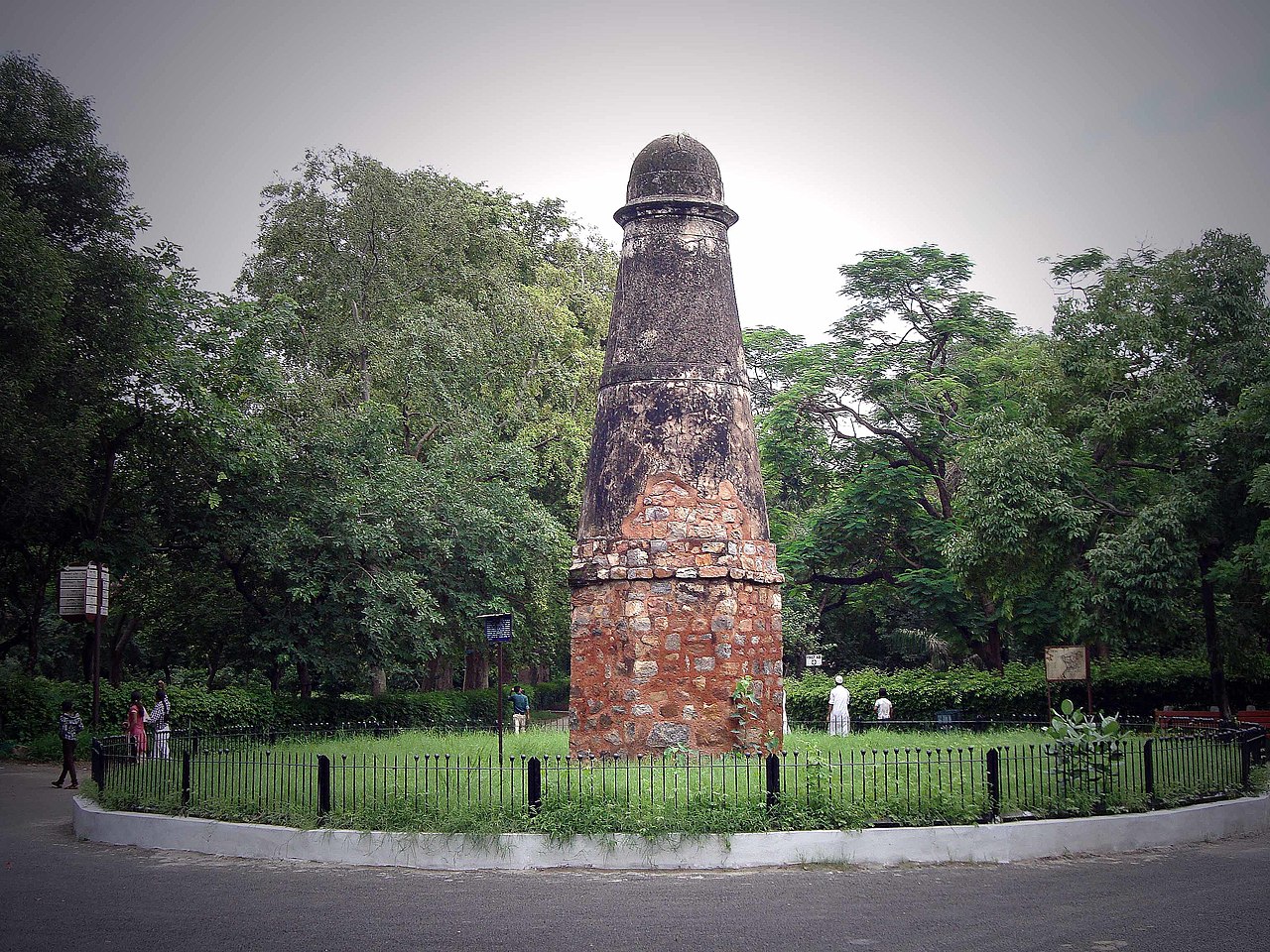
Kos Minars, meaning "mile pillars," are a remarkable feature of medieval Indian infrastructure, serving as distance markers along the Grand Trunk Road, which was a critical network of royal highways connecting various parts of the northern Indian subcontinent. These pillars were first introduced in the 16th century by the Pashtun ruler Sher Shah Suri, who was keen on improving the communication and transportation networks across his empire. The Kos Minars were strategically placed at intervals of a "kos" (an ancient unit of measurement approximately equal to 3 kilometers), marking distances along significant routes, such as the road from Agra to Ajmer, Agra to Lahore, and from Agra to Mandu in the south. While most of these minars are found in the northern states of Uttar Pradesh, Rajasthan, Haryana, and Punjab, they can be seen along roadsides, near railway tracks, in paddy fields, and within towns and villages. These distance markers not only provided crucial navigational guidance but also facilitated smoother travel for merchants, soldiers, and travelers. Kos Minars were highly regarded by early European travelers, with Sir Thomas Roe, a British envoy, calling them a "marvel of India." The Archaeological Survey of India has also acknowledged these minars as a vital component of India's "national communication system." Historically, the origins of such road markers can be traced back to the Maurya period in the 3rd century BC, under Emperor Ashoka, who improved and expanded existing trade routes that connected his capital Pataliputra to distant regions such as Dhaka, Kabul, and Balkh. These routes used simple landmarks like mud pillars, trees, or wells to guide travelers. However, it was during the rule of Sher Shah Suri in the 16th century that the Kos Minars evolved into their current form. Sher Shah Suri introduced more durable brick pillars, plastered with lime, at every kos along his roads, significantly enhancing the accuracy and reliability of the distance markers. The importance of Kos Minars was further reinforced during the Mughal period. Emperor Akbar, in the late 16th century, ordered that these pillars be erected at every kos along the route from Agra to Ajmer to improve the comfort and safety of travelers. This initiative also involved the construction of caravanserais, roadside inns where travelers could rest. The Mughal Empire expanded the network of Kos Minars, with reports suggesting there were as many as 600 minars scattered across the empire, extending from the north, as far as Peshawar, and eastward into Bengal via Kannauj. Successive Mughal emperors, including Shah Jahan, continued to maintain and expand this network, ensuring that it became an integral part of the region?s infrastructure, facilitating trade, travel, and communication across vast distances.
Year of Built: 16th Century
Address: National Zoological Park, Sundar Nagar, New Delhi, Delhi
Country: India
State: Delhi
District: South Delhi
Pincode: 110003
Longitude: 77.2849
Latitude: 28.5387