
Indo Islamic Heritage


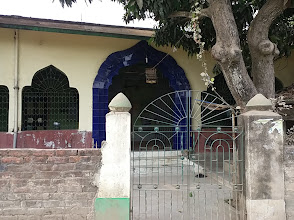
Dakshin Alipur Mete Mosjid, situated in Alipur Dakshin Para, Jangalpara, Chanditala, Hooghly, is a cherished center of Islamic faith and devotion for the local community. Known for its simple yet spiritually rich environment, the mosque stands as a beacon of unity and devotion, where people from the area gather daily for prayers, special religious occasions, and community interactions. The mosque embodies centuries of Islamic tradition in West Bengal, providing not only a place for worship but also a social and cultural hub that strengthens communal harmony and reinforces shared heritage across generations.
Dakshin Alipur Mete Mosjid, located in the serene locality of Alipur Dakshin Para, Jangalpara in Chanditala, Hooghly district, is one of the notable mosques serving as a center for both worship and community interaction. The mosque, though modest in size and architecture compared to grand historical structures, holds deep religious and cultural importance for the Muslim population in the area. Its existence reflects the deeply rooted Islamic traditions in West Bengal, particularly in semi-urban and rural settings where mosques often form the spiritual heart of the community. Architecturally, Dakshin Alipur Mete Mosjid is constructed in the typical Bengal mosque style, emphasizing simplicity and functionality over ornamentation. The prayer hall is spacious enough to accommodate the local worshippers, with a mihrab (prayer niche) indicating the direction of the Kaaba in Mecca. The use of traditional building materials lends the mosque a rustic character, connecting it closely to its surroundings. A modest minaret and dome add to its identity as a place of Islamic worship, symbolizing faith and spirituality. The mosque serves as an active hub of religious practice. Five daily congregational prayers are held, with Fridays being particularly significant as large gatherings of worshippers participate in the Jumu’ah prayers. Apart from the daily prayers, the mosque plays a central role during the holy month of Ramadan, when the faithful gather for Taraweeh prayers, iftar meals, and other religious observances. Eid celebrations bring the community together in a festive yet spiritual atmosphere, with the mosque acting as the focal point of all activities. Beyond its religious significance, Dakshin Alipur Mete Mosjid also contributes to the social and cultural fabric of the region. Mosques in rural Bengal traditionally serve not only as places of prayer but also as centers of learning and discussion. It is common for elders and community leaders to use the mosque as a space for guidance, conflict resolution, and decision-making in social matters. The mosque thereby extends its influence beyond the spiritual realm into everyday life, fostering values of solidarity, compassion, and mutual respect. The name "Mete Masjid" indicates its historical and cultural roots. Local oral traditions often associate such mosques with early Muslim settlers or Sufi saints who played a role in spreading Islam in Bengal. Although Dakshin Alipur Mete Mosjid may not be widely documented in historical records, its continued existence and active role in the community highlight the resilience of local traditions and the endurance of faith. In the context of Hooghly district, which is home to several prominent mosques and shrines, Dakshin Alipur Mete Mosjid represents the intimate and local expression of Islamic devotion. It complements the larger religious landscape by providing a space for the daily spiritual life of its neighborhood, reminding us that not only grand monuments but also smaller, community-centered mosques are vital in preserving the cultural and religious heritage of Bengal.
Year of Built: Not Known
Address: P54R+Q6F, Alipur Dakshin Para, Jangalpara, Chanditala, Hooghly, West Bengal
Country: India
State: West Bengal
District: Hooghly
Pincode: 712701
Longitude: 88.2883
Latitude: 22.7375