
Indo Islamic Heritage


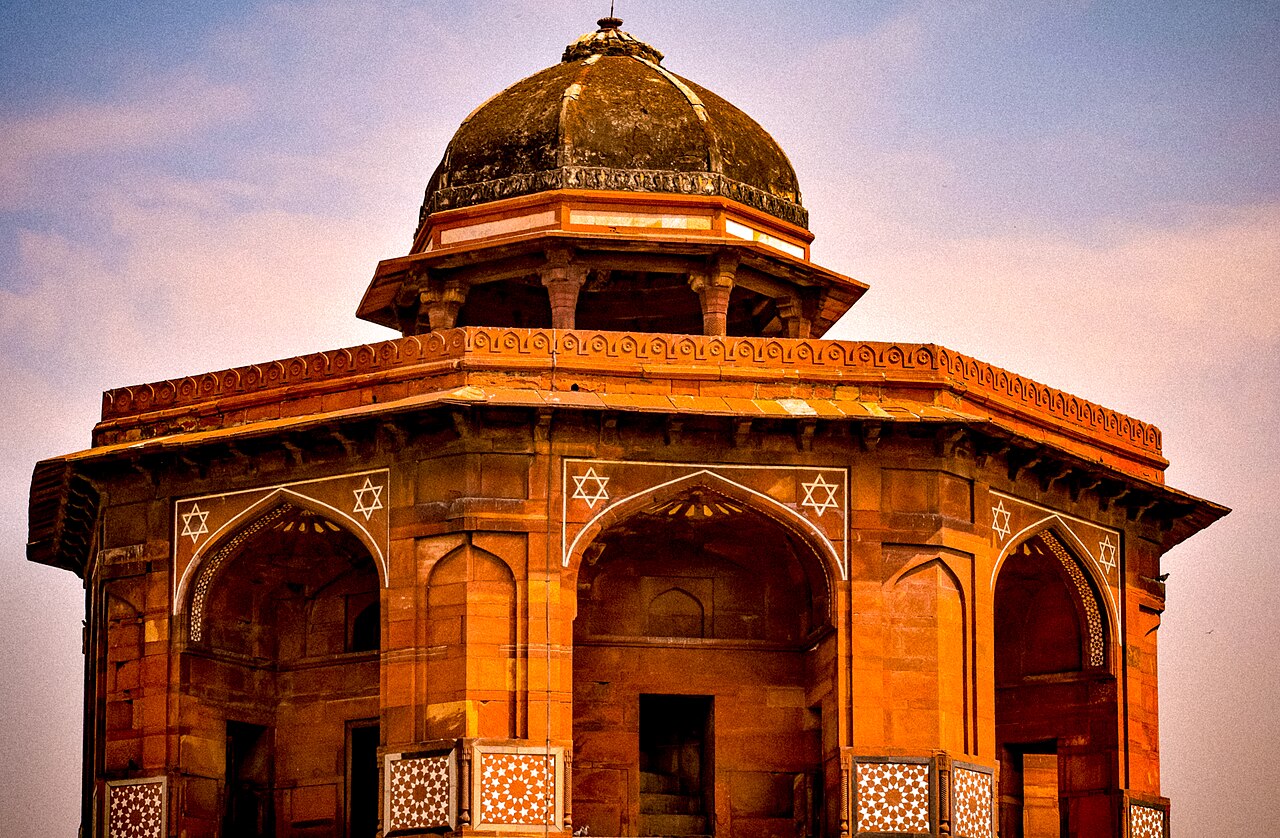
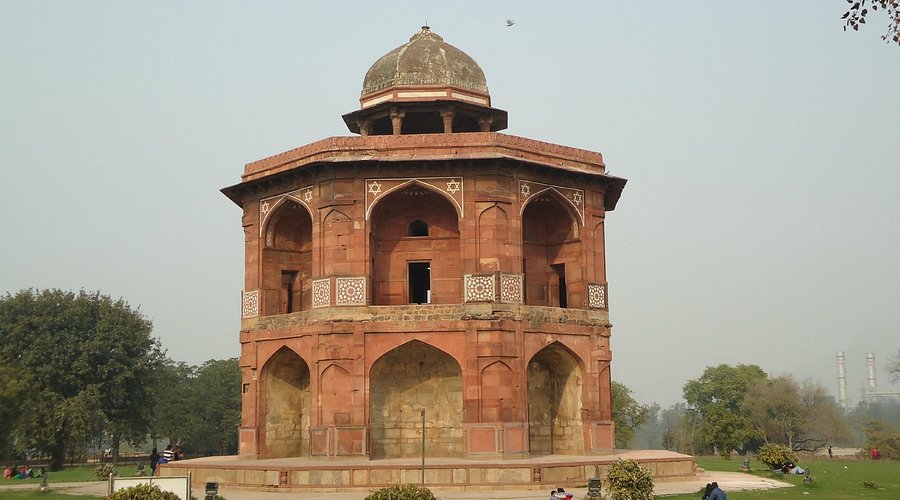
Sher Mandal, also known as Sher Shah's Pavilion, is an iconic historical structure located within the Purana Qila (Old Fort) in Delhi, India. Built in the 16th century, it is renowned for its unique architectural blend of Indo-Islamic, Timurid, and Persian styles. Sher Mandal is notable for being the only surviving palace structure within the fort, making it a significant architectural and historical landmark. It is believed to have been a summer retreat for Sher Shah Suri, the founder of the Suri Empire, who initially built the pavilion. Later, it became a place where Emperor Humayun, after his return to the throne, met with intellectuals and scholars, and even where his famous library was housed. The Nearest Bus Stand - Zoo, The Nearest Metro Station - Supreme Court , Nearest Railway Station- Hazrat Nizamuddin Railway Station Railway Station Nearest Airport- IGI
Sher Mandal, also known as Sher Shah's Pavilion, is a historically significant structure located within the Purana Qila fort in Delhi, India. This 16th-century building is renowned for its architectural design, which blends Indo-Islamic, Timurid, and Persian styles. It stands as the only surviving palace structure within the fort and has become a popular tourist destination. Sher Mandal is situated to the east of a Turkish royal bath (hamam) and is located at the southeastern end of the fort, occupying the highest point of the area. This strategic positioning adds to its prominence within the fort's landscape. The building holds historical significance due to its association with Mughal Emperor Humayun, who is believed to have used it as his library. The story of Humayun's death is linked to this structure, with various historical accounts recounting the tragic event. According to these sources, on January 20, 1556, Humayun was on the roof of the building, blessing his subjects and preparing to announce the promotions of his officers. However, as he descended the stairs, he became distracted by the call to prayer (Azaan) and sat on the steps to pray. As he stood up, his leg became entangled in his robe, causing him to fall down the stairs. The fall resulted in an injury to his temple, and he passed away a few days later. This tragic incident is a key moment in the building's history and has been recounted by several contemporary historians, including Abul Fazl, Nizamuddin Ahmad, and Firishta. There is ongoing debate about the construction of Sher Mandal, with some scholars attributing it to Sher Shah Suri, who ruled in the 16th century, while others believe it was built by Humayun himself. Initially, it was believed that Sher Shah constructed the pavilion as a pleasure resort, but later scholars questioned this attribution, citing a lack of archaeological and literary evidence linking Sher Shah to the building. Contemporary texts indicate that Sher Shah established a city between the fortress of Din-panah (built by Humayun) and Firozabad, but there is no clear evidence suggesting that Sher Shah constructed the pavilion. Historians such as Ram Nath argue that the architectural design of Sher Mandal aligns more with Humayun's style, particularly in terms of its overall structure and decorative elements. Sher Mandal's architectural features are distinctive and showcase the grandeur of the period. It is a two-storey octagonal building constructed primarily of red sandstone, with a height of about 60 feet (18 meters). The structure is accessed by two narrow, steep staircases on the northern and southern walls, which connect the two floors. Between the floors, a band of black slate runs around the circumference of the building. The upper storey is protected by small chhajjas (overhanging roofs) and cornices, while the first storey?s chhajjas have been eroded over time. At the center of the terrace is an octagonal chhatri, a type of elevated pavilion, supported by pillars with a 2.64-meter (8.7-foot) distance between them. The interior of Sher Mandal is equally impressive, with exquisite decorative elements. The upper storey contains alcoves on each of its eight sides, which alternate in shape from square to semi-octagonal, and deeper rectangular alcoves in the upper storey. The walls are adorned with marbled satkona symbols, and the arches are etched with intricate inlaid motifs, including a 12-pointed star and a 12-petaled flower, symbols considered auspicious by Humayun. The upper storey also features a cruciform chamber at its center, surrounded by smaller rooms, and a vaulted ceiling supported by semi-vaulted soffits. The interiors of the building showcase elaborate stalactite designs, glazed tiles, and incised stucco decorations, with the walls panelled in encaustic tiles up to a height of about three feet. The lower storey of the building is enclosed and inaccessible, leading some historians, including Ram Nath, to speculate that it may have been used as a temporary burial site for Humayun before his body was moved to a newly commissioned tomb. This theory is supported by contemporary texts that suggest Humayun's body was initially placed in the pavilion before being relocated. Although the chamber was originally open, it was later closed out of respect for the emperor when his remains were transferred to the final resting place. Sher Mandal's architectural grandeur, coupled with its historical significance, makes it a remarkable example of Mughal-era design and an important cultural landmark in Delhi. The structure's association with Humayun and its use as both a library and a possible burial site adds to its intriguing legacy, making it a valuable heritage site that continues to draw visitors today.
Year of Built: 16th Century
Address: Purana Quila Rd, Pragati Maidan, New Delhi, Delhi
Country: India
State: Delhi
District: Central Delhi
Pincode: 110002
Longitude: 77.245
Latitude: 28.6086