
Indo Islamic Heritage


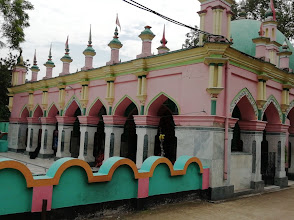
Basubati Darbar Sharif, located in Hooghly district of West Bengal, is a revered spiritual center where devotees gather to seek blessings, peace, and guidance. Known for its deep-rooted Sufi traditions, the Darbar serves as a place of prayer, meditation, and communal harmony. People of different faiths visit to pay respects and participate in the Urs and other religious gatherings. The Darbar has a serene ambiance, attracting devotees who come to connect spiritually and to find solace in the teachings of love and brotherhood that it represents.
Basubati Darbar Sharif is an important spiritual landmark in Hooghly district, West Bengal, known for its rich heritage in Sufi traditions and Islamic spirituality. This Darbar Sharif serves not just as a physical space of prayer but also as a symbol of unity, compassion, and devotion that transcends religious and social boundaries. For generations, it has drawn followers and visitors who are deeply devoted to the Sufi saints and the values they imparted—love, tolerance, and service to humanity. The Darbar is built in a traditional style, reflecting simplicity and humility that aligns with the Sufi ethos. Its architectural features resonate with the regional design of religious shrines, characterized by modest structures that emphasize function over grandeur. The sanctum, where devotees gather, exudes a quiet energy that invites reflection and prayer. During special events, particularly the Urs (commemoration of the saint’s death anniversary), the Darbar becomes a vibrant hub of activity. Devotees light lamps, offer prayers, and recite verses, filling the space with a spiritually uplifting atmosphere. What distinguishes Basubati Darbar Sharif is its ability to bring together people across religious and cultural divides. While it is primarily a site of Islamic devotion, people from Hindu and other communities also visit, drawn by its aura of peace and inclusivity. This interfaith participation underscores the enduring legacy of Sufi shrines in India, which have historically served as bridges between communities. The Darbar thus not only provides spiritual solace but also fosters social harmony in the surrounding region. Cultural and religious events at the Darbar often feature qawwalis (devotional songs), Quranic recitations, and community feasts (langar), where food is distributed freely among visitors regardless of caste, creed, or class. Such practices reinforce the universal values of generosity and brotherhood that lie at the heart of Sufism. For many, visiting Basubati Darbar Sharif is not only an act of devotion but also a way to reconnect with traditions of service and humility. The shrine’s location in Basubati gives it accessibility for locals and pilgrims from nearby areas. Over time, it has become an essential part of the community’s cultural fabric, influencing local customs and fostering collective identity. Whether one visits to fulfill a vow, offer gratitude, or simply to seek tranquility, the Darbar provides a sense of belonging and spiritual rejuvenation. In today’s fast-paced world, Basubati Darbar Sharif continues to hold immense relevance. It remains a sanctuary where the faithful and seekers alike can pause, reflect, and draw strength from the timeless message of the Sufi saints—universal love and devotion to the divine.
Year of Built: Not Known
Address: Q5MX+C4G, Basubati, West Bengal 712409
Country: India
State: West Bengal
District: Hooghly
Pincode: 712409
Longitude: 88.3256
Latitude: 22.7763