
Indo Islamic Heritage


.jpg)
.jpg)
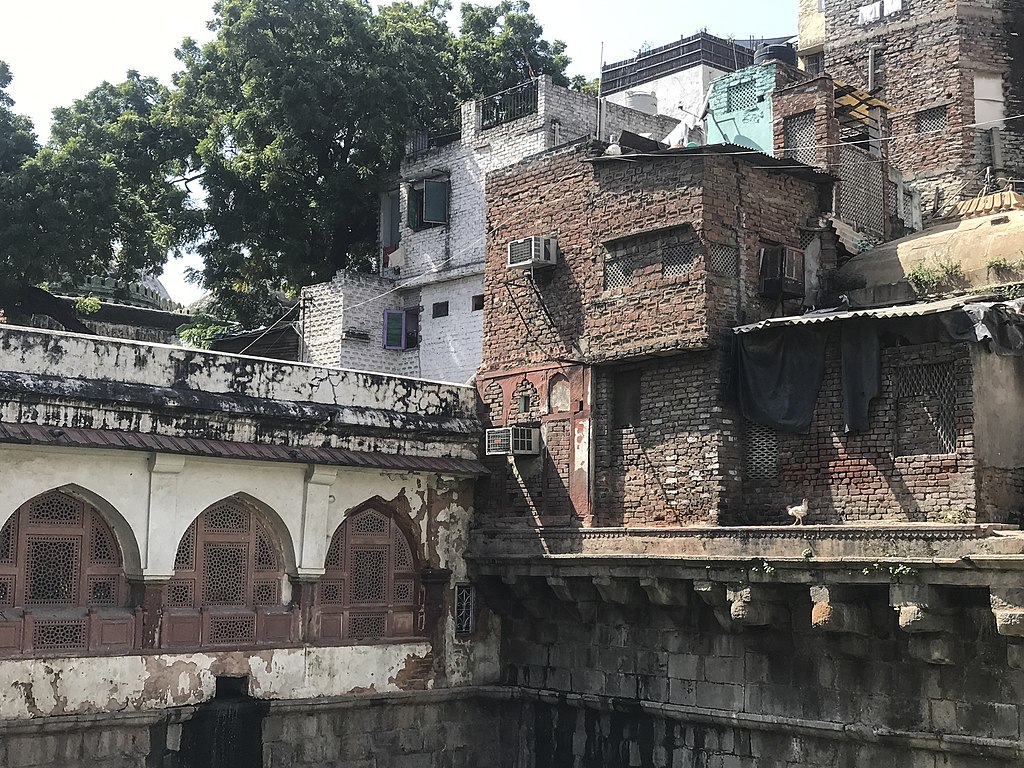
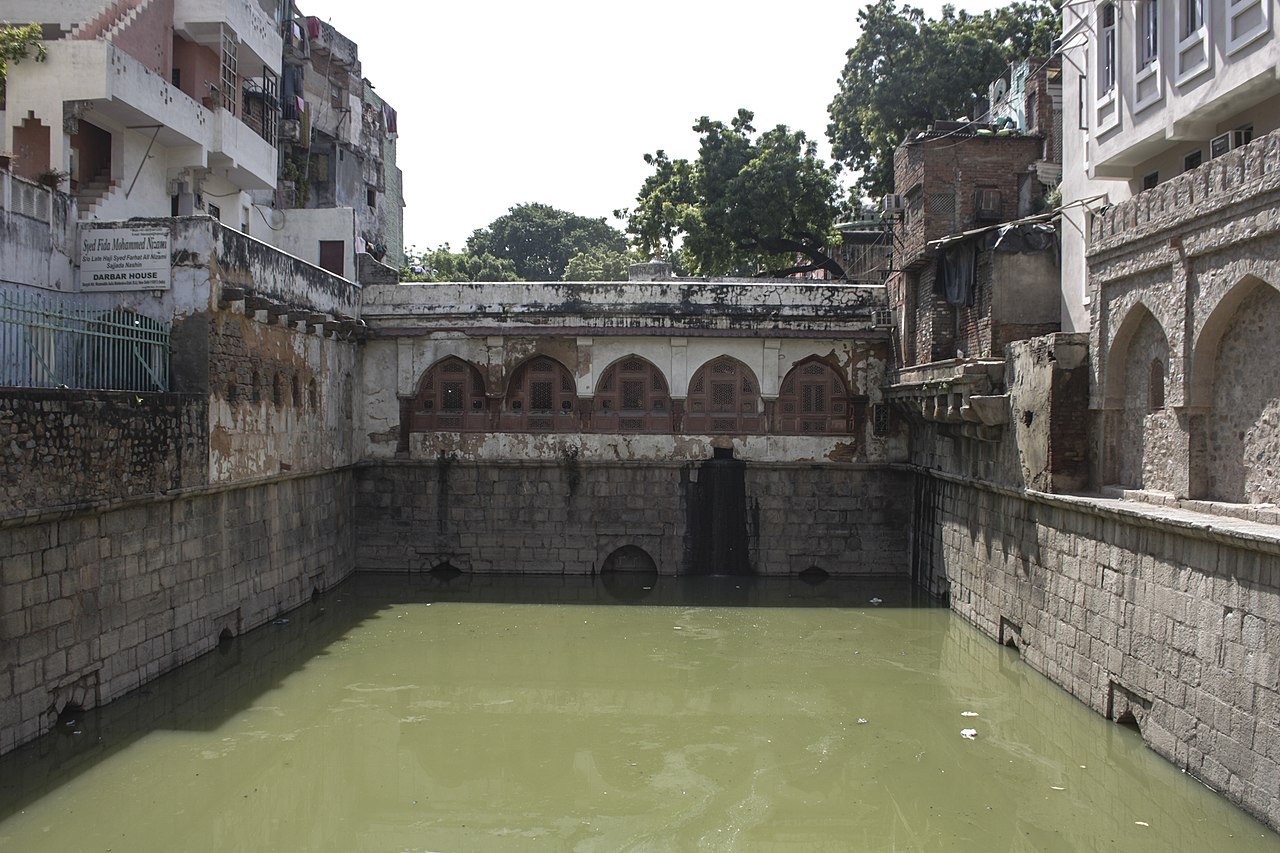
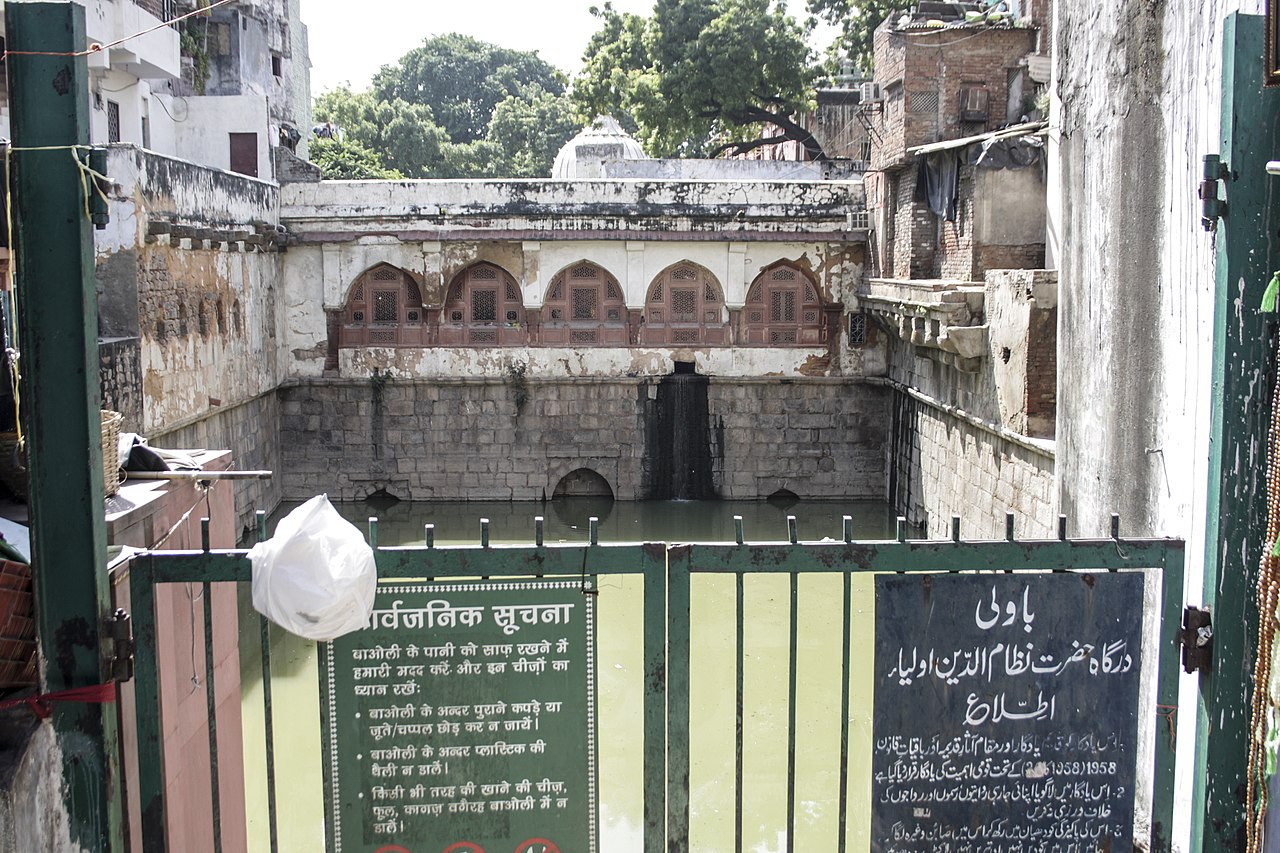
The Baoli you are referring to is the Nizamuddin Baoli, located near the dargah of Hazrat Nizamuddin Auliya in Delhi. It was constructed during the reign of Sultan Muhammad bin Tughlaq, under the supervision of the saint Hazrat Nizamuddin Auliya, around 1321-1322 AD. This stepwell is one of the few remaining structures built during the saint's lifetime. The water from the Baoli has long been considered sacred and auspicious by the local community and pilgrims who visit the dargah. The Baoli not only served as a water source but also as a place of social and spiritual gathering. The Nearest Bus Stand - Nizamuddin Bus Stand, The Nearest Metro Station - Nizamuddin , Nearest Railway Station- Hazrat Nizamuddin Railway Station Railway Station Nearest Airport- IGI
The Nizamuddin Baoli is a centuries-old stepwell located within the Nizamuddin Dargah complex in New Delhi, India. Built during the early 14th century, between 1321 and 1325 AD, it was commissioned by Hazrat Nizamuddin Auliya, a revered Sufi saint of the Chishti order. The baoli was primarily constructed to provide a reliable water source for the dargah and the surrounding community, as well as for the pilgrims who visited the shrine of Hazrat Nizamuddin Auliya. It is said that the saint initiated the construction of the stepwell during the reign of Ghiyasuddin Tughlaq, even as the Sultan focused on building the Tughlaqabad Fort, a notable landmark of the period. Architecturally, the Nizamuddin Baoli is a rectangular structure, with a series of steps leading down to a water reservoir. The stepwell was built using local sandstone, giving it an ancient charm, and it reflects a blend of Islamic and Indian architectural styles. Its design allows it to capture groundwater, ensuring a steady water supply even in dry conditions. The water, which comes from a natural underground spring, is considered sacred by many, and its depth has allowed the baoli to serve as a crucial resource for centuries. Many devotees believe that the water of the baoli has healing properties, and it is revered as a site of spiritual significance, with pilgrims often visiting it as part of their pilgrimage to the dargah. The Nizamuddin Baoli holds immense cultural and spiritual value, being an integral part of the Nizamuddin Dargah complex. It is not only a source of water but also a focal point for the religious practices in the area, deeply intertwined with the life and legacy of Hazrat Nizamuddin Auliya. A popular legend surrounding the baoli tells of a conflict between Hazrat Nizamuddin and Sultan Ghiyasuddin Tughlaq, where the Sultan allegedly attempted to block the construction of the baoli through strict regulations. However, the saint is said to have used his prayers and divine interventions to ensure that the construction proceeded unhindered, adding a layer of mysticism to the site. Over time, however, the baoli has faced challenges from urban development and environmental pollution. As a result, several restoration efforts have been made, particularly by the Aga Khan Trust for Culture, to preserve and clean the baoli for future generations. These conservation efforts are crucial in maintaining the baoli as a living heritage site, allowing it to continue serving as a reminder of Delhi's rich Sufi history. Today, the Nizamuddin Baoli remains a significant and sacred site, attracting visitors not only for its historical and architectural appeal but also for its spiritual and cultural significance in the heart of the city.
Year of Built: 14th Century
Address: Nizamuddin, Nizammudin West Slum, Nizamuddin West, New Delhi, Delhi
Country: India
State: Delhi
District: South Delhi
Pincode: 110013
Longitude: 77.2419
Latitude: 28.5919