
Indo Islamic Heritage


The Nearest Bus Stand - Red Fort, The Nearest Metro Station - Chandni Chowk , Nearest Railway Station- Old Delhi Railway Station Railway Station Nearest Airport- IGI
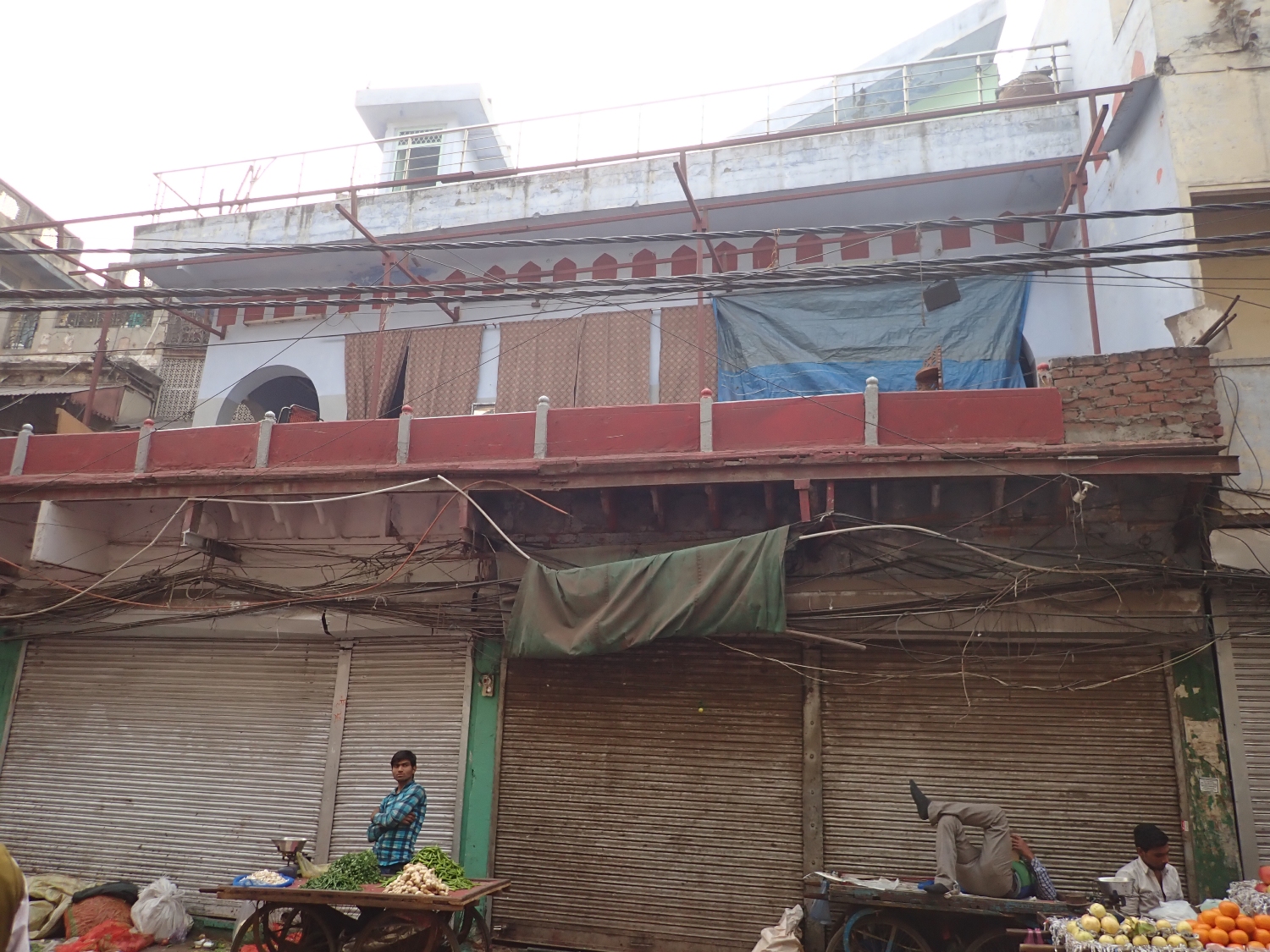
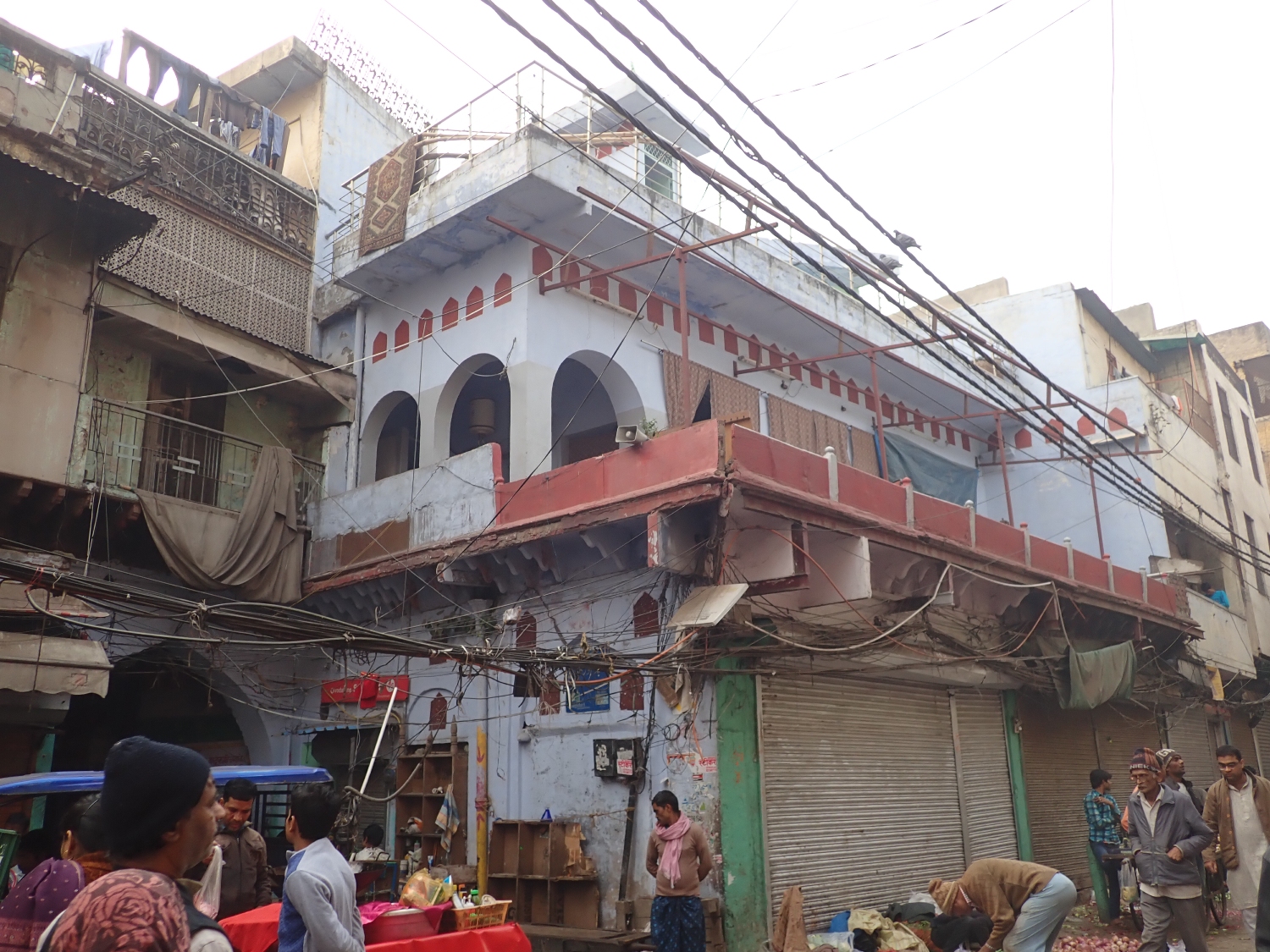
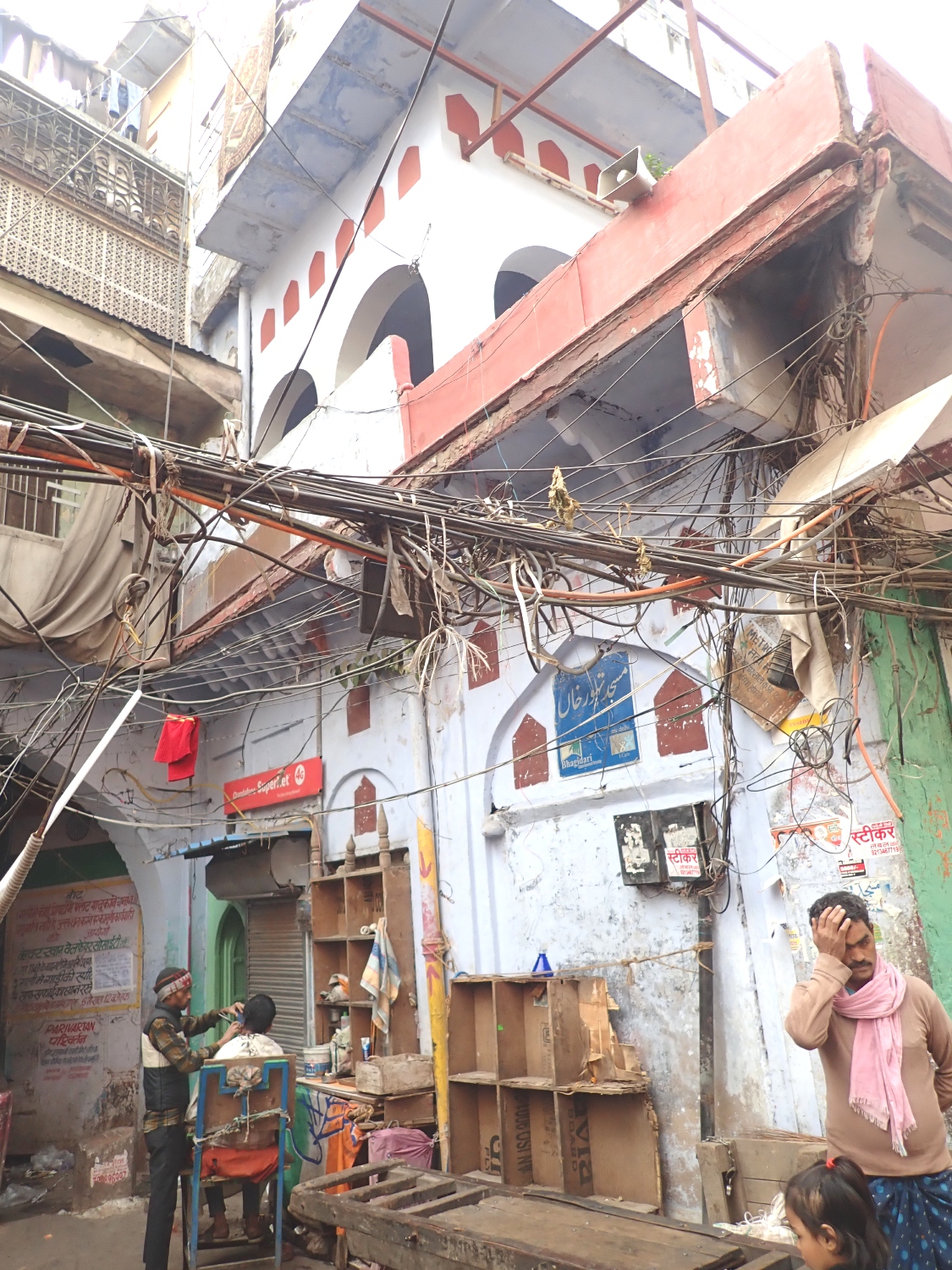
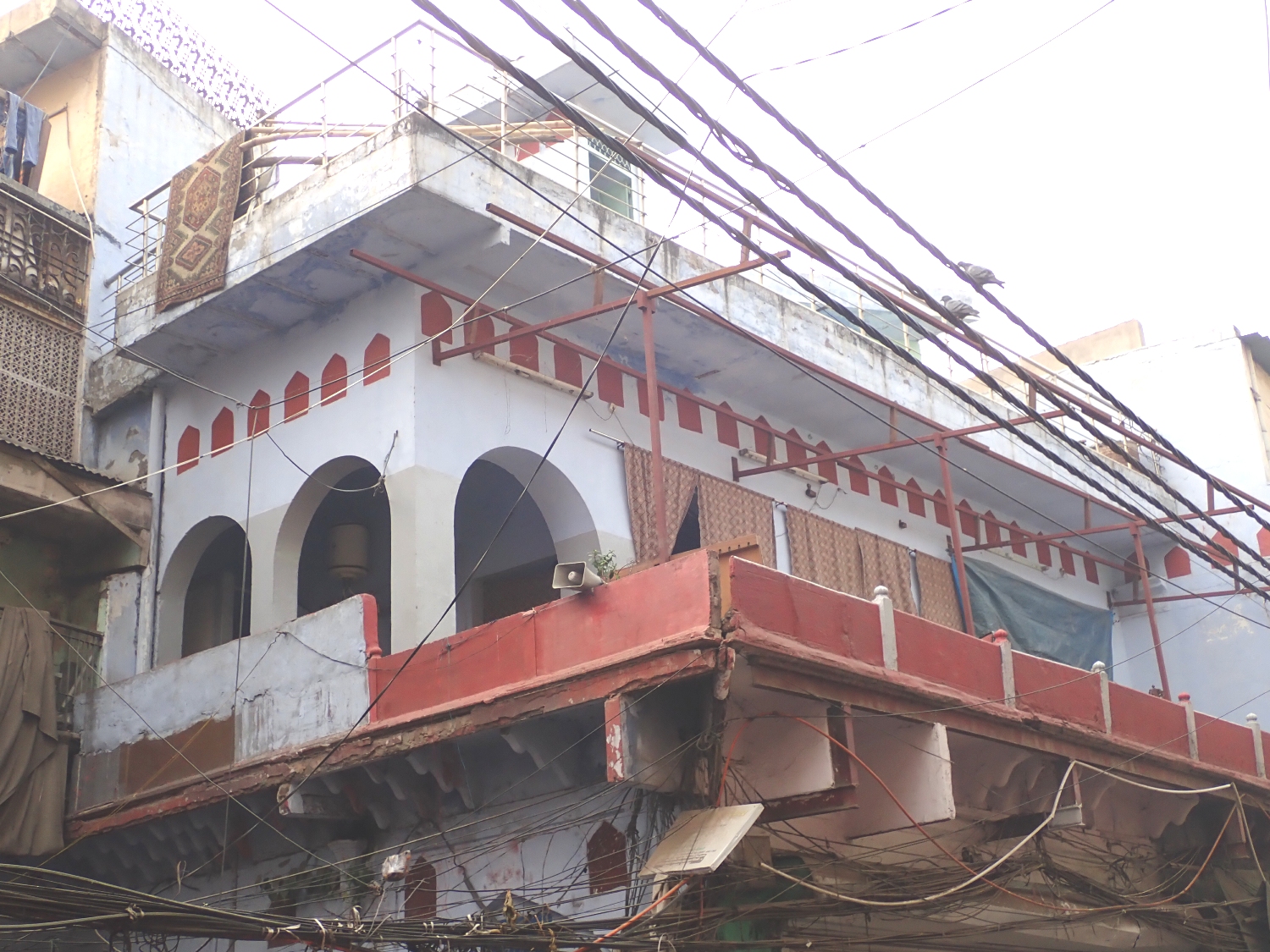
Tahawwur Khan?s Mosque, built during the reign of Mughal Emperor Mohammad Shah (1719?1748), stands as a historically significant structure nestled in the heart of Old Delhi. Commissioned by Tahawwur Khan, a zamindar from Shahjahanpur, the mosque reflects the era's typical architectural style, blending functional and aesthetic elements designed to complement its urban surroundings. This mosque, though modest in size, is a prime example of the Mughal approach to integrating religious and commercial spaces. The mosque's architecture is a testament to the civic and religious life of the period, with its design highlighting the seamless fusion of public and sacred spaces, typical of the urban planning in Mughal cities. The building itself is constructed from Lakhori bricks, a characteristic material of Mughal architecture known for its small, thin, and durable nature. These bricks are coated with lime plaster, which not only ensures the mosque's longevity but also imparts a distinctive Mughal aesthetic. While much of the mosque has been altered over time, some original elements have survived, offering a glimpse into the past. One of the most notable features of the mosque is the arched opening on its facade. This element, common in Mughal architecture, serves both a decorative and functional purpose, symbolizing grandeur and welcoming visitors into the mosque. Above, the mosque features a battlemented parapet, a remnant of fortification-style ornamentation, which suggests that the mosque was once designed with both beauty and a degree of defense in mind. The layout of the mosque is also representative of the period?s urban design. The mosque occupies the upper floor, while the ground floor houses commercial spaces, a practical design that reflects the dual nature of Mughal-era urban life, where religious structures often coexisted with businesses to ensure their upkeep. The mosque includes a central courtyard, which serves as a communal gathering space, and a prayer hall divided into three compartments. This arrangement is typical of Mughal mosques, designed to provide distinct areas for prayer while also allowing air and light to flow freely into the interior. Despite its historical significance, Tahawwur Khan?s Mosque faces numerous conservation challenges. In recent years, it has been subjected to unplanned and haphazard renovations that have compromised its historical integrity. These renovations, which introduced new materials and designs not in keeping with the mosque?s original features, have contributed to the degradation of its architectural character. The use of modern materials, such as cement flooring, which appears to have been added during a later renovation, contrasts sharply with the original construction, further distorting the mosque's historical appearance. Additionally, the mosque?s surroundings are in a state of neglect, with stray cattle frequently seen outside, indicating a lack of proper maintenance and care. The absence of structured conservation efforts has led to a loss of the mosque?s cultural and architectural value, and experts have stressed the need for restoration following heritage guidelines to halt its further deterioration. In its current state, the mosque remains a central point in its neighborhood, anchored within the urban flow of Old Delhi. Its location at a junction, with its gateway and adjoining street gateway, ensures that it continues to play a vital role in the community, even as it grapples with the effects of neglect and modern encroachment. The mosque blends into the everyday life of the area, yet the lack of organized preservation efforts threatens its future. Heritage advocates argue that, with proper restoration and attention, Tahawwur Khan?s Mosque could once again stand as a beacon of the architectural practices from Mohammad Shah?s reign. By adhering to conservation best practices, it could not only restore its original beauty but also serve as an important historical landmark within the community, connecting the present with the rich cultural heritage of Old Delhi.
Year of Built: 17th Century
Address: Shardhanand Market, Farash Khana, Chandni Chowk, Delhi,
Country: India
State: Delhi
District: Central Delhi
Pincode: 110006
Longitude: 77 13 14
Latitude: 28 39 20