
Indo Islamic Heritage


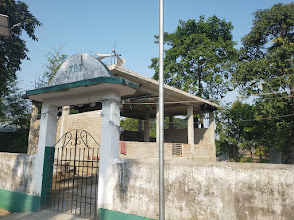
Ghasipara Masque, situated in Jalpaiguri, West Bengal, is a local mosque that serves as a center for daily worship, Friday congregations, and Islamic learning for the surrounding community. Its peaceful environment and accessibility make it a cherished space for residents seeking spiritual solace and communal bonding. The mosque stands as a modest yet significant place of devotion, symbolizing the unity and cultural heritage of the local Muslim population. Beyond prayers, the mosque fosters a spirit of harmony, bringing together people of all ages to uphold traditions of faith, brotherhood, and community development in this region of West Bengal.
Ghasipara Masque, located in the heart of Jalpaiguri district, West Bengal, is an important landmark for the local Muslim population. Though modest in its architectural style compared to grand mosques of larger cities, the mosque holds a deep cultural and spiritual significance for the community it serves. The mosque provides not only a sacred place of prayer but also a platform for preserving traditions, fostering education, and promoting communal unity. The mosque has become an integral part of daily life in Ghasipara, where residents gather for the five daily prayers, Friday Jumu’ah congregations, and special observances during Islamic festivals such as Eid al-Fitr and Eid al-Adha. During Ramadan, the mosque becomes the focal point of spiritual devotion, with Taraweeh prayers, Qur’an recitations, and iftar gatherings creating an atmosphere of brotherhood and compassion. It is during these occasions that the mosque witnesses its greatest footfall, with families and individuals coming together to celebrate and strengthen their ties to faith and community. The architecture of Ghasipara Masque is simple yet functional, reflecting the practical needs of a neighborhood mosque. The prayer hall is designed to accommodate a considerable number of worshippers, with clean interiors, prayer mats, and designated spaces ensuring ease of use for congregants. The presence of a minaret, though not as tall or ornate as in metropolitan mosques, stands as a symbol of Islamic identity and serves its primary function of calling the faithful to prayer. The mosque’s modest courtyard is often used for children’s religious classes, community discussions, and informal gatherings that strengthen bonds among neighbors. In addition to its religious function, the mosque also plays a role in imparting moral and spiritual education. Local scholars and elders often hold sessions to teach children Qur’anic verses, Islamic values, and lessons on good conduct. This educational role ensures that younger generations remain connected to their heritage and faith, even in the midst of a changing social environment. For many families, the mosque serves as a moral anchor, guiding their children toward discipline, compassion, and responsibility. The mosque is also an emblem of unity in diversity within Jalpaiguri, a region known for its mix of communities and cultures. While rooted in Islamic tradition, Ghasipara Masque stands as a symbol of coexistence, where mutual respect among different religious groups helps sustain harmony. Local residents often note that the mosque’s activities, particularly during festivals, contribute to a broader spirit of inclusiveness in the neighborhood. For the local Muslim population, the mosque is not merely a building but a living institution, one that nurtures spirituality, educates the youth, and sustains communal solidarity. Its enduring presence reflects the resilience of tradition and faith in Jalpaiguri, making Ghasipara Masque a meaningful landmark in the district’s cultural and religious landscape.
Year of Built: Not Known
Address: HP6G+JQ7, Jalpaiguri, West Bengal 735121
Country: India
State: West Bengal
District: Jalpaiguri
Pincode: 735121
Longitude: 88.7200
Latitude: 26.5400