
Indo Islamic Heritage


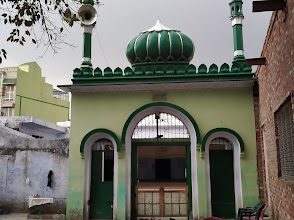
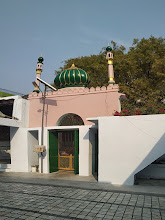
Nestled in the serene village of Kutkai within the historic district of Amroha, Uttar Pradesh, Masjid Behlol Khan stands as a timeless testament to medieval Islamic architecture and piety. Built in 1333 CE by the noble Behlol Khan Gazi, this mosque embodies the spiritual legacy of the Tughlaq era, offering travelers a tranquil haven amid the lush mango groves and cultural heritage of the region. Its elegant domes and intricate stonework invite reflection and awe, making it a hidden gem for those seeking an artistic escape into India's rich past.
As the sun dips low over the verdant fields of Amroha, casting golden hues upon the ancient spires of Masjid Behlol Khan in Kutkai, one cannot help but feel the whisper of history brushing against the soul. This modest yet majestic mosque, erected in the year 1333 CE during the illustrious Tughlaq dynasty, was commissioned by Behlol Khan Gazi, a revered general whose devotion to faith intertwined with the era's architectural grandeur. In the Islamic calendar, it marks the Hijri year 733, a time when the Delhi Sultanate's influence wove threads of Persian and indigenous styles into the fabric of Indian sacred spaces. Imagine the skilled artisans of yore, their hands deftly carving sandstone under the patronage of a warrior-saint, transforming a simple prayer hall into a symphony of arches, domes, and serene courtyards that echo the calls to prayer across centuries. Tucked away in the quiet village of Kutkai, just a short journey from the bustling heart of Amroha town, the mosque's location evokes a poetic contrast—surrounded by the namesake "Amr Vanam," or immortal mango forests that lend the district its poetic moniker. For the artistic tourist, Masjid Behlol Khan is more than stone and mortar; it is a canvas of cultural fusion. The structure, though humble in scale compared to grander Mughal marvels, boasts subtle yet striking features: slender minarets that pierce the sky like quills of a divine scribe, and a mihrab adorned with geometric patterns that dance in the play of light filtering through latticed windows. The courtyard, open and inviting, serves as a communal embrace, where locals and visitors alike gather, fostering a sense of timeless community amid the mosque's enduring presence. Venturing here, one steps into a narrative of resilience and reverence. Behlol Khan Gazi, known for his valor and piety, envisioned this sanctuary as a beacon for the faithful in a land once traversed by conquerors like Mahmud of Ghazni and later enriched by Mughal overlords. The mosque's walls, weathered yet whispering tales of battles and blessings, stand as a verified relic of Amroha's layered history—from ancient Kuru rulers to the Sufi saints who dotted the landscape. As you trace your fingers along the cool stone facade, envision the adhan resonating through the mango-scented air, a melodic bridge between the 14th century and today. For the discerning traveler, this site offers not just architectural beauty but an artistic immersion into Uttar Pradesh's soul—where faith, nature, and history converge in harmonious elegance. Whether sketching its silhouettes at dawn or contemplating its legacy under the stars, Masjid Behlol Khan promises an unforgettable sojourn into the artistic heart of India.
Year of Built: 13th-century
Address: WF6C+6WX, Katkui, Amroha, Uttar Pradesh 244221
Country: India
State: Uttar Pradesh
District: Amroha
Pincode: 244221
Longitude: 78.4673° E
Latitude: 28.9044° N