
Indo Islamic Heritage


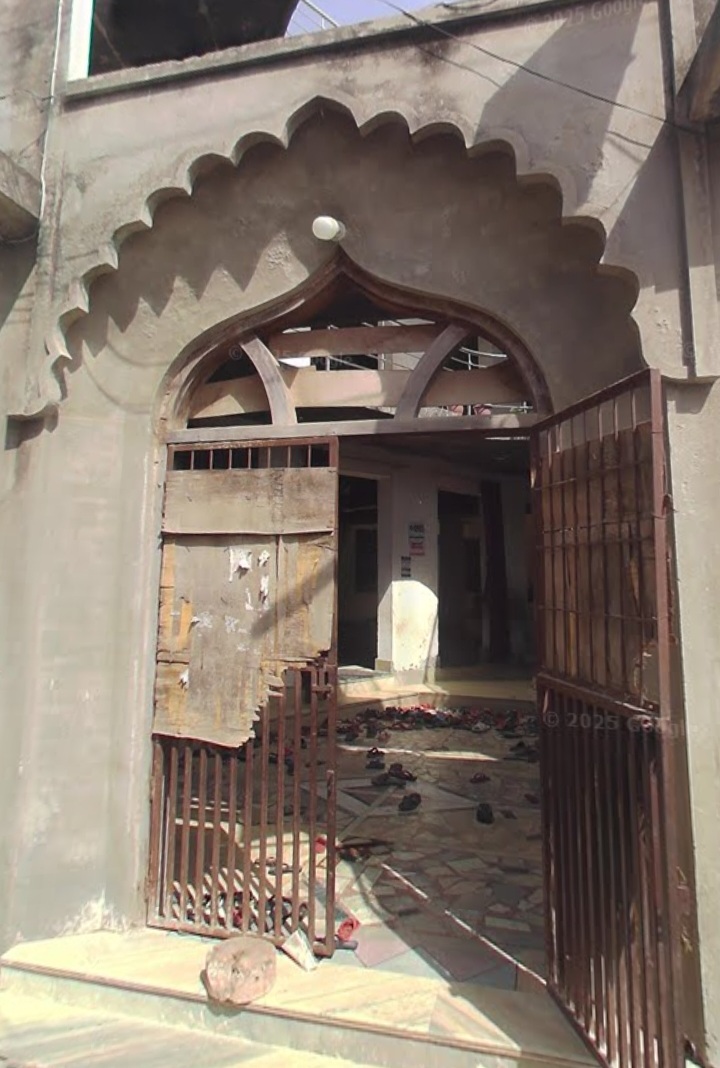
Hakeem Ji Wali Masjid is a local mosque situated in Kutkai, a small locality within Amroha district, Uttar Pradesh, India. It serves as a place of worship for the Muslim community in the area, reflecting the modest architectural style typical of regional mosques in northern India. The mosque is associated with the name "Hakeem Ji," likely referring to a historical or revered figure in the community, such as a physician or scholar (hakeem in Urdu means physician or wise person). Specific details on its construction year remain unverified in available historical records, but it aligns with the broader Islamic heritage of Amroha, which dates back to the medieval period under various Muslim rulers.
Hakeem Ji Wali Masjid, located in the Kutkai area of Amroha, Uttar Pradesh, stands as a modest yet significant religious site for the local Muslim population. Amroha, historically known as a center of Islamic culture since the 13th century during the Delhi Sultanate and Mughal eras, hosts several mosques that embody the region's syncretic Indo-Islamic architectural influences. This mosque, named after "Hakeem Ji" – a term suggesting a connection to a respected local healer, scholar, or community leader – functions primarily as a venue for daily prayers, Friday congregational services (Jumu'ah), and community gatherings. Its design likely features simple elements common to smaller Uttar Pradesh mosques, such as a central prayer hall, mihrab (niche indicating the direction of Mecca), and possibly a minaret or dome, constructed with local materials like brick and sandstone. The mosque's exact year of construction could not be verified through historical sources, as records primarily document larger landmarks in Amroha, such as those linked to Sufi saints or Mughal patrons from the 13th to 17th centuries. However, given Amroha's Islamic history, which includes settlements by Sufi figures like Syed Sharfuddin Shah Wilayat in the 13th century and governance under rulers like Malik Jalaluddin in the 13th century, it is plausible that the mosque originated during the medieval or early modern period as part of the district's expanding network of worship sites. Amroha's Muslim heritage, influenced by migrations from regions like Iraq and Syria, has fostered numerous such mosques, emphasizing community welfare and spiritual practice.
Year of Built: Not Available
Address: WF7C+9JG, Shivdwara, Katkui, Amroha, Uttar Pradesh 244221
Country: India
State: Uttar Pradesh
District: Amroha
Pincode: 244221
Longitude: 78.46984° E
Latitude: 28.90314° N