
Indo Islamic Heritage


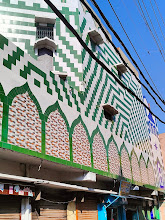
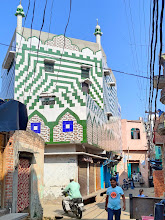
Sitara Masjid in Katkui, Amroha, Uttar Pradesh, is a modest yet culturally significant mosque reflecting the Islamic heritage of the region. It serves as a local place of worship and community gathering in the village of Katkui, contributing to the historical tapestry of Amroha district, known for its Mughal-era influences and Sufi traditions. The mosque embodies the simplicity of rural Islamic architecture in northern India, fostering spiritual and social cohesion among the predominantly Muslim population.
Sitara Masjid, located in the serene village of Katkui within Amroha district, stands as a testament to the enduring Islamic cultural legacy in Uttar Pradesh. Amroha, historically known as a center of trade, Sufi spirituality, and Mughal influences, has long been home to structures that blend architectural simplicity with profound religious significance. This mosque, named "Sitara" (meaning "star" in Urdu), exemplifies the vernacular Islamic architecture prevalent in rural northern India, where mosques often serve as the heart of community life, hosting prayers, festivals, and social events. Historically, Amroha's Islamic heritage traces back to the medieval period, with the arrival of Sufi saints and the establishment of trade routes that brought Persian and Central Asian influences. While grander mosques like the Jama Masjid in Amroha city showcase elaborate Mughal designs, Sitara Masjid represents the more humble, localized expressions of faith in villages like Katkui. Built likely in the 19th or early 20th century—a time when colonial rule saw the proliferation of community-built religious sites—it reflects the resilience of Muslim communities in maintaining their worship spaces amid socio-economic changes. The mosque's construction would have involved local artisans using traditional materials such as brick and lime mortar, typical of the Indo-Islamic style adapted to regional resources. Architecturally, Sitara Masjid features a straightforward rectangular layout with a prayer hall oriented towards Mecca, arched doorways, and possibly a small minaret or dome, though details on ornate decorations are scarce due to its rural setting. Unlike opulent urban mosques with intricate tilework or marble inlays, it prioritizes functionality for daily congregational prayers (namaz) and special occasions like Eid. Its cultural value lies in preserving the oral traditions and communal harmony of Katkui's residents, many of whom trace their ancestry to Mughal-era settlers or Sufi followers. The mosque contributes to Amroha's broader historical narrative, where Islamic sites have coexisted with Hindu temples, symbolizing interfaith tolerance in a district rich in diverse heritage. In contemporary times, Sitara Masjid continues to play a vital role in fostering cultural identity, with locals maintaining it through community efforts. As part of Uttar Pradesh's protected religious landscape, it underscores the importance of such sites in understanding India's syncretic history, where architecture not only facilitates worship but also narrates stories of migration, devotion, and adaptation. Visitors to Amroha can appreciate how this unassuming mosque encapsulates the quiet grandeur of rural Islamic life, making it a poignant reminder of the region's historical depth.
Year of Built: Not Available
Address: WF6C+MJ4, Chowk, Shivdwara, Katkui, Amroha, Uttar Pradesh 244221
Country: India
State: Uttar Pradesh
District: Amroha
Pincode: 244221
Longitude: 78.4675° E
Latitude: 28.9044° N