
Indo Islamic Heritage


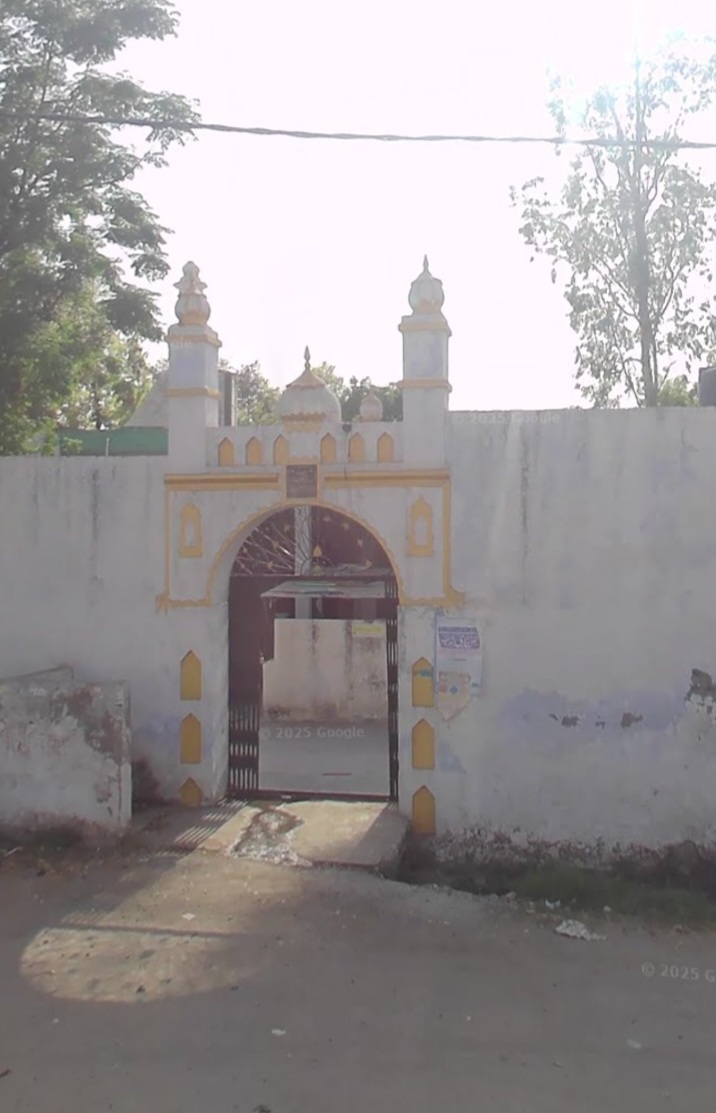
Masjid Abdul Kareem Khan, located in Islam Nagar, Amroha, Uttar Pradesh, is a local mosque serving the Muslim community in this historically significant region. It stands as a place of worship and community gathering, reflecting the enduring Islamic heritage of Amroha, which has roots in Sufi traditions dating back to the 13th century. The mosque is associated with the Abdul Kareem Khan Educational Society, indicating its role in supporting local education and religious activities. While specific architectural details are limited in verified records, it contributes to the cultural fabric of Amroha, a city known for its mango production and Sufi shrines like Dargah Shah Wilayat.
Masjid Abdul Kareem Khan holds a place of quiet significance within the cultural and historical landscape of Amroha, a city in Uttar Pradesh that traces its Islamic heritage to the arrival of Sufi saint Syed Husain Sharaf-ud-din Soharwardi Naqvi in the 13th century. Amroha, formerly part of the Mughal-era administrative divisions, became a hub for Muslim scholarship and spirituality, with landmarks like the Dargah Shah Wilayat drawing pilgrims from across India. In this context, Masjid Abdul Kareem Khan emerges as a vital community institution in the Islam Nagar neighborhood, fostering religious observance, education, and social cohesion among the local Muslim population. The mosque's name honors Abdul Kareem Khan, a figure linked to the area's educational and philanthropic endeavors, as evidenced by the adjacent Abdul Kareem Khan Educational Society. This society, situated nearby on Sambhal Road in Hasan Pur Amroha (within the broader Islam Nagar vicinity), underscores the mosque's role in promoting Islamic learning and moral development. Verified records indicate that the society operates as an educational institution, reflecting the mosque's integration into efforts to nurture young minds in line with Islamic values. Amroha's history, marked by Mughal influences and Sufi traditions, amplifies the mosque's cultural value; it serves as a living testament to the syncretic traditions of the region, where Islam blended with local customs to promote tolerance and community welfare. Historically, Amroha's Islamic sites, including mosques and dargahs, have been centers for spiritual reflection and resistance against colonial influences, contributing to India's broader narrative of religious diversity. Masjid Abdul Kareem Khan, though not as prominently documented as grander structures like the Jama Masjid in nearby cities, embodies this legacy on a local scale. It facilitates daily prayers, Friday congregations, and Ramadan observances, strengthening communal bonds in a district where the 2011 census recorded a significant Muslim population (over 50% in Amroha tehsil). The mosque's location in Islam Nagar, a predominantly Muslim area, highlights its role in preserving cultural identity amid Amroha's evolution from an ancient settlement (dating back to around 3000 BCE) to a modern administrative hub established as a district in 1997. In terms of architecture, while detailed verified descriptions are scarce, the mosque aligns with typical North Indian Islamic designs—simple yet functional, with spaces for ablution, prayer halls, and possibly a minaret for the call to prayer. Its construction likely dates to the 20th century, coinciding with post-independence community initiatives to expand religious infrastructure.
Year of Built: Not Available
Address: WF36+PQ8, Bijnor Rd, near AKK Inter College, Islam Nagar, Amroha, Uttar Pradesh 244221
Country: India
State: Uttar Pradesh
District: Amroha
Pincode: 244221
Longitude: 78.4670° E
Latitude: 28.9070° N