
Indo Islamic Heritage


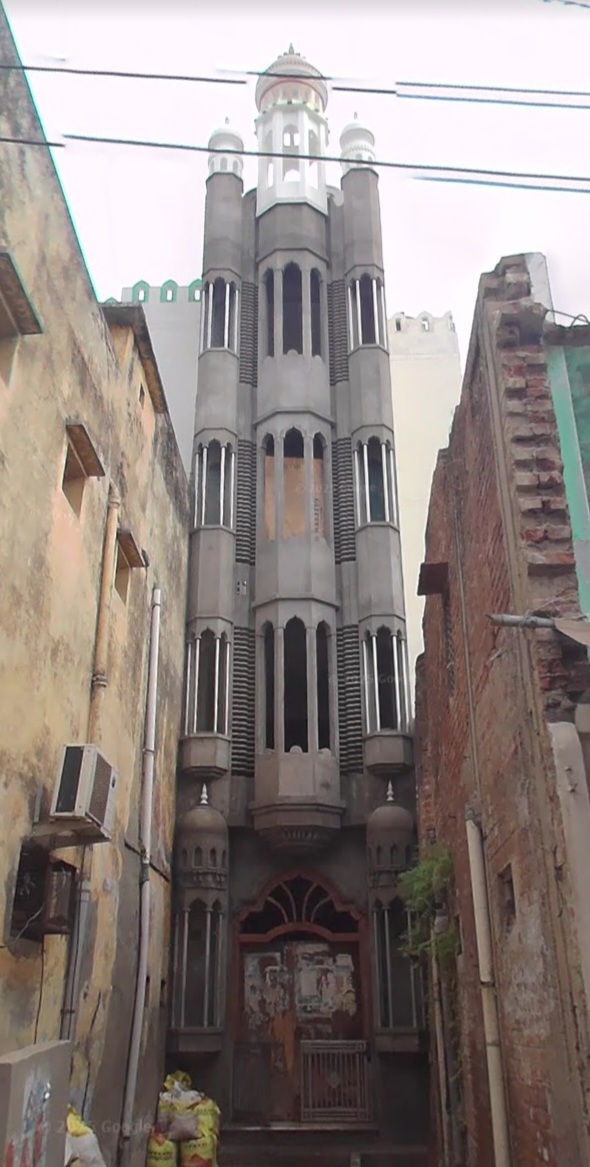
Niyaryan Masjid, also referred to as Niyaryan Mosque, is a modest yet historically relevant Islamic place of worship located in the Niyaryan area of Amroha, Uttar Pradesh. It serves as a community prayer site reflecting the region's rich Muslim heritage, particularly tied to the area's historical Islamic influences during the medieval period.
Niyaryan Masjid stands as a testament to the enduring Islamic cultural fabric of Amroha, a city with deep historical roots in northern India's Muslim history. Amroha, situated in northwestern Uttar Pradesh along the Sot River, has been a significant center of Islamic activity since the medieval era. Historical records indicate that the region came under Muslim influence as early as the 11th century, with Mahmud of Ghazni's conquest in 1093 AD marking early Islamic incursions. By the 13th century, during the Delhi Sultanate, figures like Malik Jalaluddin were appointed as governors (Hakims) of Amroha, fostering the establishment of mosques and Sufi shrines. The arrival of Sufi saint Syed Husain Sharaf-ud-din Shah Wilayat in the 13th century further solidified Amroha's role as a spiritual hub for Muslims, with his dargah becoming a major pilgrimage site. Under the Mughal Empire, Amroha was part of the Sambhal sarkar in the Delhi subah, where mosques like the Jama Masjid were constructed, symbolizing architectural and religious prominence. In this context, Niyaryan Masjid represents a localized expression of this broader historical narrative. Named after the Niyaryan locality, it likely emerged during or after the Mughal period as a community masjid for daily prayers and congregational activities. While specific construction details are scarce in documented sources, the mosque aligns with the pattern of smaller, functional mosques built in Amroha's mohallas (neighborhoods) to serve the growing Muslim population, which today constitutes a significant portion of the city's demographics (around 50-60% as per census data). The masjid's cultural value lies in its role in preserving Islamic traditions amid Amroha's diverse heritage, including influences from Rajput, Sultanate, and Mughal eras. It contributes to the city's identity as a blend of agricultural trade, handicrafts like dholak making, and religious sites, including the renowned Dargah Shah Wilayat, visited by devotees nationwide. Historically, such mosques in Amroha have been centers for community gatherings, education in madrasas, and fostering interfaith harmony in a region that transitioned from Hindu kingdoms like Panchala to Islamic rule without major documented conflicts at local levels. Today, Niyaryan Masjid continues to function as a vital spiritual space, embodying the resilience of Amroha's Muslim community through centuries of political changes—from the Delhi Sultanate and Mughals to British colonial rule and post-independence India. Its significance is amplified by Amroha's overall historical battles, such as the Battle of Amroha in 1305 AD against Mongol invaders under Alauddin Khilji, which highlighted the area's strategic importance. As a culturally valuable site, the masjid underscores the themes of faith, community, and continuity in Uttar Pradesh's Islamic landscape.
Year of Built: Not Available
Address: opp. Municipal Office, Niyaryan, Amroha, Uttar Pradesh 244221
Country: India
State: Uttar Pradesh
District: Amroha
Pincode: 244221
Longitude: 78.4698° E
Latitude: 28.9031° N