
Indo Islamic Heritage


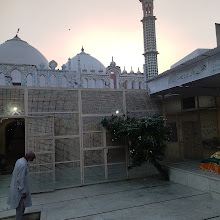
Sheere Wali Masjid, also known as Shere Wali Masjid, is a historic mosque located in the heart of Katra Ghulam Ali, a traditional locality in Amroha, Uttar Pradesh. It serves as a central place of worship for the local Muslim community, reflecting the architectural and cultural heritage of the region. The mosque embodies the historical Islamic presence in Amroha, a town known for its syncretic traditions influenced by Mughal-era settlements.
Sheere Wali Masjid stands as a testament to the enduring Islamic cultural and religious fabric of Amroha, a town in Uttar Pradesh's Jyotiba Phule Nagar district, historically part of the Rohilkhand region. Situated in the bustling Katra Ghulam Ali locality—a name evoking the area's mercantile and community-oriented past—the mosque is a key architectural landmark that underscores the town's role as a hub for Muslim scholarship and trade during the colonial and pre-colonial eras. Amroha, once known as Marahra or Amroh, has a rich history tied to Sufi influences and Mughal administration, and this mosque contributes to that legacy by providing a space for daily prayers, community gatherings, and religious observances such as Eid and Ramzan. The mosque's design, though not extensively documented in grand historical texts, aligns with the provincial Indo-Islamic style prevalent in Uttar Pradesh during the 18th and 19th centuries. It features typical elements such as arched entrances, a central prayer hall, and possibly a minaret or dome, constructed using local materials like brick and lime mortar, which were common in regional mosques built under local nawabs or community patronage. Its location in Katra Ghulam Ali, a densely populated residential and commercial area near the Amroha Railway Station (approximately 2.4 km away), highlights its integration into everyday life, serving not just as a religious site but as a symbol of communal harmony in a diverse region. Historically, Amroha's mosques, including Sheere Wali, emerged during a time when the area was under the influence of the Rohilla chieftains, who fostered Islamic institutions amid a blend of Hindu-Muslim cultures. The "Sheere Wali" (or Shere Wali) nomenclature may derive from local traditions associating it with valor or a protective saint, common in Sufi-inspired naming conventions, though specific legends tied to its founding remain oral and unverified in written records. The mosque's significance lies in its role in preserving cultural practices, such as the recitation of the Quran and observance of Islamic festivals, which have sustained the community's identity through British colonial rule and post-independence India. In the broader context of Uttar Pradesh's Islamic heritage, Sheere Wali Masjid represents the smaller, community-driven places of worship that complemented larger structures like those in nearby Moradabad or Rampur. Its endurance reflects the resilience of local traditions, making it a valuable site for understanding the historical interplay of religion, architecture, and society in northern India. Today, it continues to function as an active mosque, drawing locals for prayers and fostering a sense of historical continuity in Amroha's evolving urban landscape.
Year of Built: Not Available
Address: Katra Ghulam Ali, Amroha, Uttar Pradesh 244221
Country: India
State: Uttar Pradesh
District: Amroha
Pincode: 244221
Longitude: 78.4673° E
Latitude: 28.9044° N