
Indo Islamic Heritage


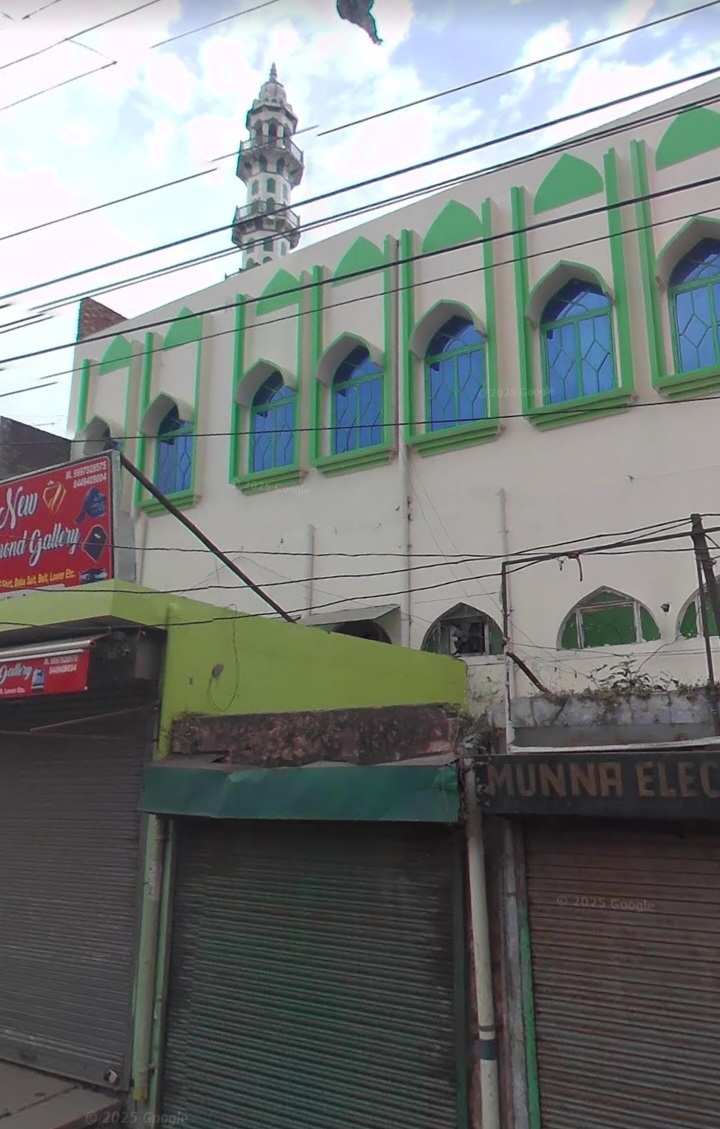
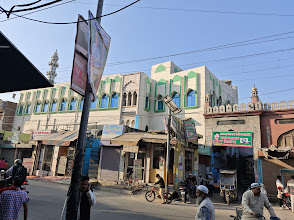
Masjid Badh Wali, located in the historic town of Kot within Amroha district, Uttar Pradesh, is a modest yet culturally significant mosque that reflects the region's Islamic heritage. It stands as a local place of worship in an area known for its Sufi influences and agricultural roots, serving the Muslim community in Kot Amroha.
Masjid Badh Wali holds a quiet but enduring place in the cultural and historical tapestry of Kot, a historic town in Amroha district, Uttar Pradesh. Amroha itself, situated on the banks of the Sot River west-northwest of Moradabad, has been a crossroads of trade and spirituality since ancient times, with roots tracing back to the rule of Raja Amarjodha in 474 B.C. and later under Rajput dynasties from 676 to 1141 A.D. The arrival of Islam in the region during the Delhi Sultanate and Mughal eras transformed it into a hub for Sufi saints and Islamic architecture, exemplified by sites like the shrine of Sheikh Saddu. Within this context, Masjid Badh Wali emerges as a symbol of local Muslim devotion, fostering community prayers and gatherings in a town that blends agricultural markets with religious landmarks. The mosque's name, "Badh Wali," may evoke the banyan tree (badh in Hindi/Urdu), a common feature in traditional Indian mosques symbolizing shade, shelter, and communal unity, though specific etymological details are not recorded. Architecturally, it embodies the understated Indo-Islamic style seen in many Uttar Pradesh mosques of the period, likely featuring a simple prayer hall (musalla) with arched mihrabs, minarets, and a courtyard for ablutions and sermons. Such designs prioritize functionality for daily salat (prayers) and Jumu'ah (Friday congregational prayers), reflecting the practical needs of rural and semi-urban Muslim communities in Rohilkhand. The structure's location in Kot, a fortified old town area, underscores its role in preserving Islamic practices amid Amroha's diverse cultural influences, including handloom weaving, pottery, and sugar milling—industries that have sustained the region for centuries. Historically, Masjid Badh Wali's significance lies in its contribution to the spiritual fabric of Amroha, a district once part of the Moradabad sarkar under the Mughal Empire and later ceded to British control in 1801. During the Mughal period, under emperors like Shah Jahan, local governors such as Rustam Khan promoted Islamic settlements, leading to the construction of forts and mosques around trading hubs like Amroha. Though not a grand imperial edifice like the Jama Masjid in nearby cities, Masjid Badh Wali represents the grassroots proliferation of Islamic worship spaces that supported Sufi traditions and community resilience. It likely served as a venue for religious education and social cohesion, aligning with the broader historical narrative of Amroha as a center for Muslim scholarship and piety, home to poets like John Elia and filmmakers like Kamal Amrohi, both born in the district. In contemporary times, the mosque continues to be a vital center for the local Muslim population, hosting prayers and events that reinforce cultural identity in a district with a literacy rate of around 63.88% and a population exceeding 2.5 million.
Year of Built: Not Available
Address: VFW8+J97, Bijnor Rd, Mohalla Batwal, Kot, Amroha, Uttar Pradesh 244245
Country: India
State: Uttar Pradesh
District: Amroha
Pincode: 244245
Longitude: 78.4698° E,
Latitude: 28.9031° N