
Indo Islamic Heritage


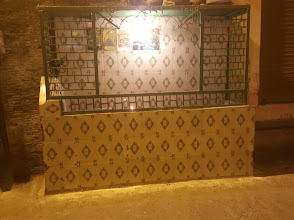
The Dargah Noor-e-Shahzade R.A, located in the historic Mohalla Maja Pota area of Amroha, Uttar Pradesh, is a revered Sufi shrine associated with the legacy of Sufi saints in the region. It holds cultural significance as part of Amroha's rich Islamic heritage, where Sufi traditions have fostered interfaith harmony for centuries.
Amroha, a town with roots tracing back over 2,400 years to the Bansi Dynasty around 479 B.C., has long been a cradle of Sufi spirituality in northern India. Situated in the Amroha district of Uttar Pradesh, near the Sot River and northwest of Moradabad, the region was historically part of the Northern Panchal Desh and later integrated into Mughal territories. By the 12th century A.D., Naqvi Sayyids from Wasit, Iraq, settled here, establishing one of India's oldest such communities and contributing to the town's military and cultural fabric during the Mughal era. This backdrop of Sufi migration and Islamic scholarship underscores the cultural value of sites like the Dargah Noor-e-Shahzade R.A, which embodies the principles of devotion, tolerance, and communal unity. The Dargah Noor-e-Shahzade R.A, nestled in Mohalla Maja Pota—a locality known for its historical mosques and shrines—serves as a testament to Amroha's role as a Sufi hub. The name "Noor-e-Shahzade" (Light of the Prince) likely honors a revered Sufi figure or descendant within the Naqvi lineage, emphasizing spiritual enlightenment (noor) in Islamic tradition. While detailed hagiographies of the specific saint are scarce in accessible records, the dargah's significance lies in its connection to the broader Sufi network that flourished in Amroha from the Delhi Sultanate period onward. Sufi saints in the area, such as those from the Suhrawardi and Naqvi orders, promoted messages of love and respect across religious lines, attracting devotees from diverse backgrounds even during turbulent times like the Maratha invasions in the 18th century, when Amroha was spared due to the valor of local Sayyid soldiers. At the heart of the dargah complex is its mosque, a modest yet architecturally resonant structure typical of regional Indo-Islamic design. Constructed likely in the 18th or 19th century amid Amroha's expansion under Mughal and post-Mughal influences, the mosque features elements like arched entrances and simple minarets, facilitating congregational prayers (namaz) five times daily. It serves as a focal point for the local Muslim community in Mohalla Maja Pota, a densely populated neighborhood with a history of scholarly pursuits, as evidenced by nearby institutions like Noor Ul Madaris. The mosque's courtyard hosts qawwali sessions and recitations during religious observances, echoing the Sufi emphasis on devotional music and poetry to invoke divine presence. Historically, such mosques in Amroha were built using local sandstone and bricks from earlier Hindu periods, blending architectural traditions and symbolizing cultural synthesis. Culturally, the dargah and its mosque contribute to Amroha's identity as a secular enclave, with about 70% of its population being Muslim yet fostering harmony with Hindu and other communities. Annual urs (death anniversary) celebrations at similar Sufi sites in Amroha draw pilgrims nationwide, promoting values of austerity and interfaith dialogue—core to Sufism. The mosque's role extends beyond worship; it has historically supported community welfare, including langar (communal meals) and education, aligning with the town's legacy of figures like the poet John Elia and filmmaker Kamal Amrohi, both born in Amroha and influenced by its spiritual ethos. Today, the site continues to inspire visitors seeking solace, underscoring Amroha's enduring historical significance as a beacon of Sufi light in Uttar Pradesh.
Year of Built: Not Available
Address: WF28+8R7, Mohalla Maja Pota, Avas, Amroha, Uttar Pradesh 244221
Country: India
State: Uttar Pradesh
District: Amroha
Pincode: 244221
Longitude: 78.4675° E.
Latitude: 28.9039° N