
Indo Islamic Heritage


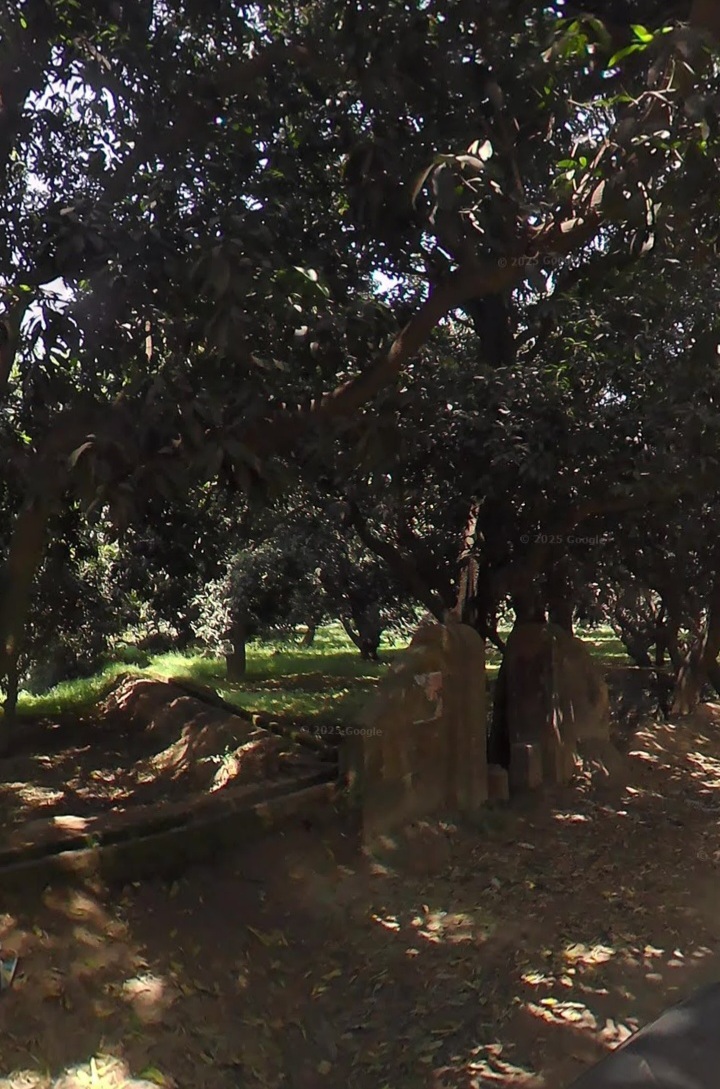
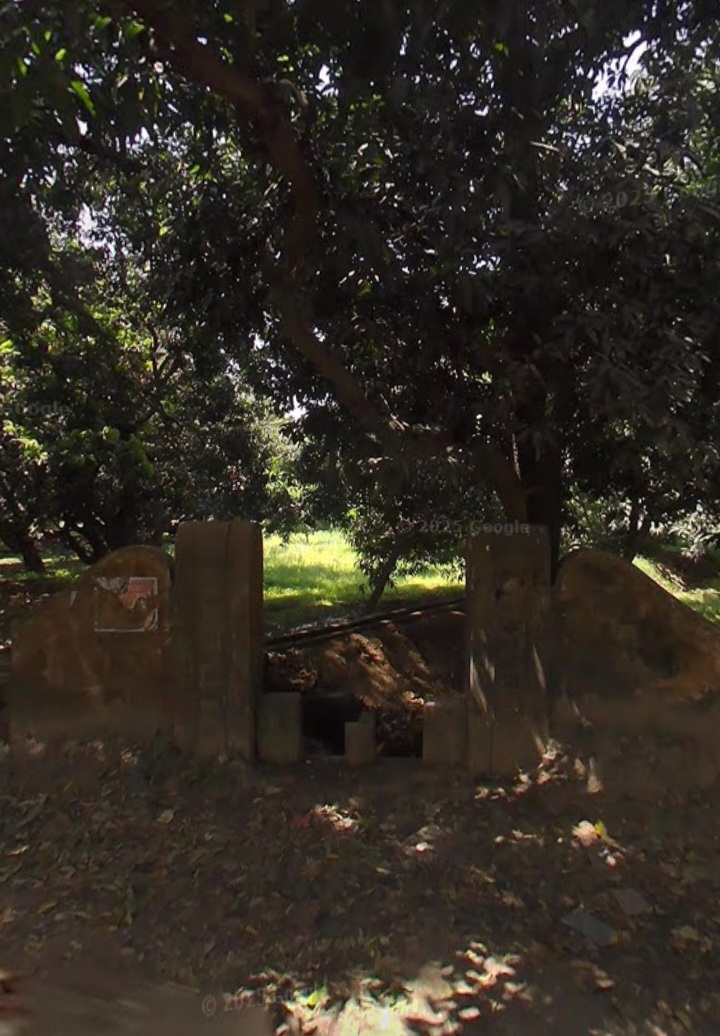
Dargah Hazrat Abdul Hadi (R.H) is a revered Sufi shrine located in the historic town of Amroha, Uttar Pradesh, India. Dedicated to the Sufi saint Hazrat Abdul Hadi, a descendant of the Naqvi Sayyids and part of the broader spiritual legacy of the region, the dargah serves as a site for interfaith devotion and pilgrimage. It embodies the principles of tolerance, piety, and communal harmony, drawing devotees from diverse backgrounds to seek blessings. The shrine is situated in Kuraishi Muhalla, a locality known for its rich Islamic heritage, and remains open daily for ziyarat (visitation) and prayers.
Amroha, an ancient town with roots tracing back over 2,400 years, has long been a cradle of Sufi traditions in northern India, serving as a bridge between Hindu and Muslim communities through its emphasis on Ganga-Jamuna tehzeeb (syncretic culture). Within this vibrant tapestry, Dargah Hazrat Abdul Hadi (R.H) stands as a culturally and historically significant monument, representing the enduring legacy of Sufism in the region. The shrine honors Hazrat Abdul Hadi, a revered Sufi saint from the Naqvi lineage of Sayyids who trace their ancestry to Imam Ali al-Naqi al-Hadi, the tenth Shia Imam. This connection underscores the dargah's deep ties to Islamic spiritual heritage, blending elements of Shia and Sunni devotion while promoting universal values of love, humility, and service to humanity. Historically, Amroha's Sufi landscape flourished during the Delhi Sultanate and Mughal eras, with saints like Hazrat Abdul Hadi contributing to the town's role as a center for spiritual enlightenment. The saint, known for his ascetic life and teachings on piety, resided in Kuraishi Muhalla, a locality named after the Kuraishi (Qureshi) families who form a significant part of Amroha's scholarly and noble class. Hazrat Abdul Hadi's life exemplified the Sufi ideals of renunciation and trust in God, influencing local customs and fostering interfaith harmony. His dargah, built over his grave, became a focal point for devotees seeking solace and guidance, much like other prominent shrines in Amroha such as Dargah Syed Hussain Sharfuddin Shah Wilayat, which is celebrated for its miracle of non-stinging scorpions and annual Urs gatherings. These sites collectively highlight Amroha's historical significance as a hub of tolerance, where festivals like Muharram and Urs draw participants from all faiths, reinforcing the town's ancient ethos of coexistence. The dargah's cultural value lies in its role as a living testament to Sufism's contributions to Indian society, promoting poetry, music (such as qawwali), and charitable acts like langar (community kitchens). It has inspired generations of scholars and poets from Amroha, including figures like Ismail Amrohvi, the first Urdu poet of northern India, whose works reflect the spiritual depth of the region's saints. Historically, the shrine's establishment aligns with the 13th-14th century influx of Sufi orders into Uttar Pradesh, aiding the spread of Islam through peaceful means and cultural integration. Today, it continues to host Urs celebrations, where qawwalis and recitations of the Quran unite communities, preserving Amroha's legacy as one of India's oldest multicultural settlements.
Year of Built: Not Available
Address: WF99+998, Amroha, Uttar Pradesh 244221
Country: India
State: Uttar Pradesh
District: Amroha
Pincode: 244221
Longitude: 78.467°E
Latitude: 28.905°N