
Indo Islamic Heritage


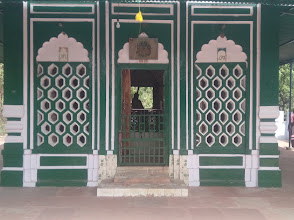
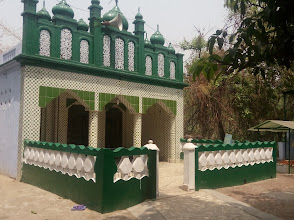
Hazrat Bhura Khan Shaheed Dargah, located in Subodh Nagar, Amroha, Uttar Pradesh, is a revered Sufi shrine dedicated to the martyrdom of Hazrat Bhura Khan, a historical figure associated with Islamic spiritual and military legacy in the region. The site includes an adjacent mosque, serving as a center for prayers and community gatherings. It holds cultural significance in the local Muslim community, symbolizing devotion and historical resilience amid Amroha's rich Islamic heritage dating back to the 12th century.
Amroha, a historic town in Uttar Pradesh with roots tracing back to the Mughal era and earlier Rajput rule, has long been a hub of Islamic scholarship and Sufi traditions. The Hazrat Bhura Khan Shaheed Dargah in Subodh Nagar stands as a poignant testament to this legacy, honoring Hazrat Bhura Khan, known as "Shaheed" (martyr), whose life and sacrifice embody the spiritual and martial ethos of early Muslim settlers in the region. While detailed historical records of Hazrat Bhura Khan's exact biography remain sparse in verified sources, the dargah is linked to the broader narrative of Sufi saints and warriors who contributed to the spread of Islam in northern India during the medieval period. Amroha itself was under Mughal administration as part of the Moradabad sarkar in the Delhi Subah, and later ceded to British control in 1801, a history that underscores the dargah's role in preserving cultural continuity for local communities. The dargah complex features the tomb of Hazrat Bhura Khan, drawing pilgrims for ziyarat (visitation) and reflecting the inclusive Sufi principles of tolerance and devotion that have characterized sites like this across Uttar Pradesh. Its cultural value lies in fostering interfaith harmony, as Amroha's diverse population, including the historic Amrohi Syed community—descendants of Naqvi Sadat who settled here around 1190 CE from Wasit, Iraq—has long integrated Sufi practices into regional life. These Sayyids formed the military and administrative elite under Mughal rule, protecting the area from invasions, such as during the Maratha incursions when Amroha was spared due to their valor. The dargah thus symbolizes resilience and spiritual fortitude, contributing to Amroha's identity as a center of Naqvi heritage and Sufi influence. Adjacent to the dargah is the mosque, a simple yet functional structure integral to the site's religious activities. The mosque serves as a place for daily prayers (salah), Friday congregations (Jumu'ah), and Quranic recitations, aligning with the Hanafi Sunni traditions prevalent in the region. Though specific architectural details are not extensively documented, it exemplifies local Indo-Islamic design, likely featuring arched entrances and a prayer hall oriented toward the qibla (Mecca). The mosque's historical significance is tied to Amroha's evolution as a spiritual center, where such structures supported community education in Islamic jurisprudence (fiqh), Hadith, and tafsir (Quranic exegesis). It remains a vital space for the local Muslim populace, promoting unity and adherence to Sharia principles amid the town's pottery, handloom, and carpet industries.
Year of Built: Not Available
Address: VFRH+HMJ, Subodh Nagar, Amroha, Uttar Pradesh 244245
Country: India
State: Uttar Pradesh
District: Amroha
Pincode: 244245
Longitude: 78.4672° E
Latitude: 28.9036° N