
Indo Islamic Heritage


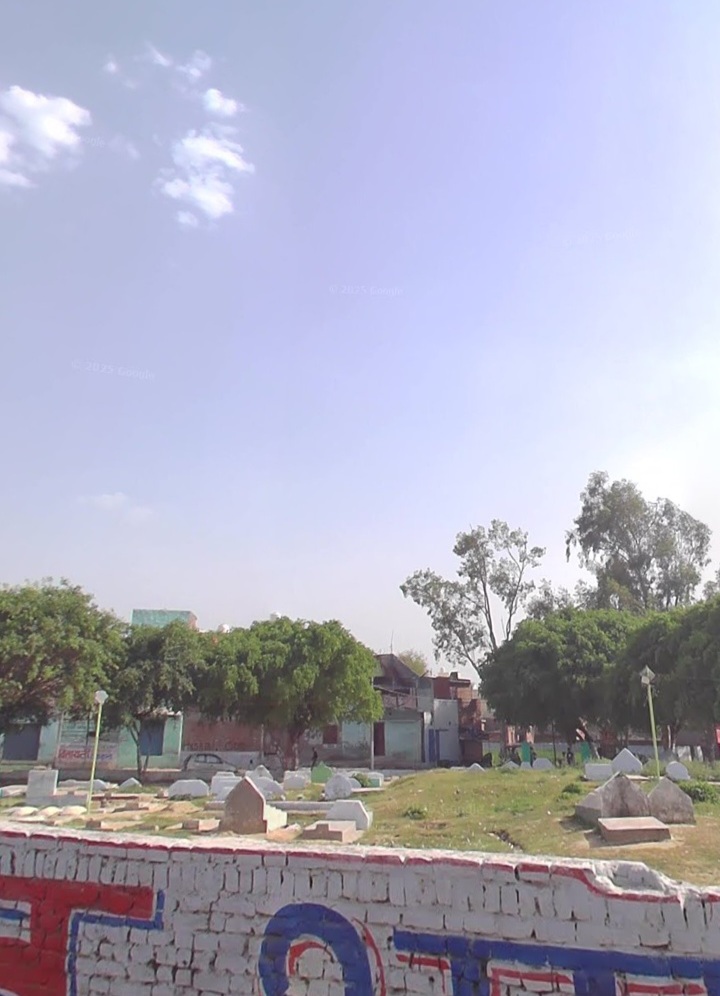
The Dargah Dada Shahvilayat, also known as the shrine of Syed Hussain Sharfuddin Shah Wilayat Naqvi (RA), is a revered 13th-century Sufi mausoleum in Islam Nagar, Amroha, Uttar Pradesh. Dedicated to a saint from Iraq who arrived in India in 1272 AD, it symbolizes spiritual harmony and cultural integration, attracting devotees from diverse backgrounds. The complex includes a mosque for prayers and communal gatherings, embodying the saint's legacy of promoting peace and devotion. Its historical significance lies in its role as a center for Sufi teachings in medieval India, with the annual Urs festival fostering interfaith unity.
The Dargah Dada Shahvilayat stands as a profound testament to India's rich Sufi heritage, embodying the principles of tolerance, devotion, and spiritual enlightenment that have shaped the cultural fabric of Uttar Pradesh for centuries. Located in the historic town of Amroha, this shrine honors Syed Hussain Sharfuddin Shah Wilayat Naqvi (RA), a Sufi saint of the Suhrawardi order, whose life and teachings bridged communities across religious lines during the medieval period. Born in Wasit, Iraq, to the scholar Mira Ali Buzurg and Umme Habeeba (daughter of Syed Abdul Moueed Ali), the saint migrated to India in 670 AH (1272 AD), settling in Amroha after a divine vision guided him there. His arrival marked a pivotal moment in the region's Islamic history, as he propagated Sufi ideals of love, humility, and service to humanity, drawing followers from both Muslim and non-Muslim backgrounds. The saint, affectionately called "Dada" (grandfather) by locals due to the widespread belief that many Amrohi families descend from him, lived a life of austerity, performing Hajj seven times and meditating in the Kumaon hills, earning the title "Pir Pahar" (Saint of the Hills). He passed away on 21 Rajab 739 AH (1339 AD), and his tomb was promptly constructed in the Danishmandan locality, which he helped name after receiving the title "Danishmand" (wise man) from Mughal Emperor Babur for his intellectual prowess. Historically, the dargah complex emerged during the Delhi Sultanate and early Mughal eras, a time when Sufi shrines like this one served as vital centers for cultural exchange and resistance against invasions. Amroha, once part of the Northern Panchal kingdom and later under Rajput, Ghaznavid, and Mughal rule, benefited from the saint's presence, which is credited with protecting the town during Maratha incursions in the 18th century. The shrine's enduring miracle—poisonous scorpions that do not sting within its premises—stems from a legend where the saint declared that no harm would befall devotees in his abode, a belief upheld through generations and symbolizing divine protection. This phenomenon, documented in local folklore and historical texts like Tarikh-i-Amroha, underscores the dargah's role as a beacon of faith amid historical turmoil, including the Mongol threats during Alauddin Khilji's reign and the Mughal-Maratha conflicts. At the heart of the dargah is the mosque, an integral architectural feature that reflects the Suhrawardi tradition of combining spiritual and communal spaces. Built concurrently with the tomb in 1339 AD, the mosque features simple yet elegant Mughal-influenced design elements, including arched entrances and a prayer hall oriented toward Mecca. It serves as a place for daily namaz, qawwali sessions during Urs, and educational gatherings, aligning with the saint's emphasis on knowledge and piety. The mosque's courtyard, shaded by an ancient tree planted by the saint during his Kumaon meditations, hosts langar (communal meals) that echo his teachings of hospitality. Over centuries, the structure has undergone minor restorations to preserve its sanctity, maintaining its role as a hub for Islamic scholarship and interfaith dialogue. The annual Urs on 21 Rajab draws thousands, featuring qawwali, prayers, and processions that highlight the shrine's cultural value in promoting unity in a diverse society.
Year of Built: Not Available
Address: WF46+X74, Islam Nagar, Amroha, Uttar Pradesh 244221
Country: India
State: Uttar Pradesh
District: Amroha
Pincode: 244221
Longitude: 78.4675° E
Latitude: 28.9044° N