
Indo Islamic Heritage


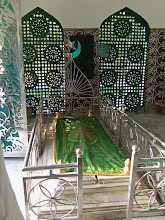
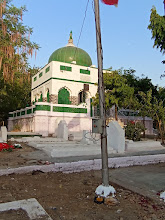
The Dargah of Hazrat Shah Abban Badr Chisti, located in Jai Om Nagar, Amroha, Uttar Pradesh, is a revered Sufi shrine dedicated to the Chishti saint Shah Abban Badr Chisti. It serves as a significant site for spiritual devotion, attracting pilgrims seeking blessings for healing and protection. The complex includes a historic mosque, embodying the Chishti order's tradition of inclusivity and Sufi mysticism in northern India. Built during the medieval period under Mughal influence, it highlights Amroha's rich Islamic heritage amid its diverse historical landscape.
The Dargah of Hazrat Shah Abban Badr Chisti stands as a profound emblem of Sufi spirituality and cultural synthesis in the historic town of Amroha, Uttar Pradesh. Amroha, with roots tracing back over 2,400 years to ancient Panchala kingdoms and later Rajput rule, evolved into a vibrant center of Islamic mysticism following the Delhi Sultanate and Mughal eras. The Chishti order, founded by Khwaja Moinuddin Chishti in the 12th century, flourished here, promoting values of love, tolerance, and devotion that bridged Hindu and Muslim communities. Shah Abban Badr Chisti, a disciple in this lineage, is venerated for his piety and miraculous intercessions, making his dargah a beacon for devotees enduring hardships, illnesses, or spiritual quests. The shrine's historical significance lies in its role as a khanqah—a Sufi hospice—where saints like Badr Chisti meditated and guided followers. Established in the medieval period, likely between the 16th and 17th centuries amid Mughal expansions, the dargah reflects Indo-Islamic architecture with intricate stonework and domes symbolizing humility and divine proximity. It was built during a time when Amroha, then known as Amar Jodh Nagar, was resettled under Suryadhwaj and later Mughal governance, fostering interfaith harmony. Pilgrims from across Uttar Pradesh and beyond visit for Urs celebrations, annual commemorations of the saint's union with the divine, featuring qawwali recitations that echo Chishti teachings of unity with God. Central to the dargah is its mosque, a serene structure integral to the complex, embodying the Islamic principle of community prayer and reflection. Constructed concurrently with the shrine, the mosque features simple yet elegant arches and mihrabs oriented toward Mecca, adhering to traditional Sunni practices. It serves as the focal point for daily namaz and congregational prayers, drawing locals and visitors alike. The mosque's design, influenced by Mughal aesthetics, includes courtyards for communal gatherings and spaces for madrasa-like education in Sufi ethics. Unlike grand imperial mosques, its modest scale underscores the Chishti emphasis on inner spirituality over opulence, yet it remains a vital site for fostering moral and ethical discourse in Amroha's diverse society. Culturally, the dargah and its mosque have preserved Amroha's legacy as a Sufi hub, alongside nearby shrines like Hazrat Shah Vilayat. They promote values of compassion and social welfare, with langar (communal meals) distributed to the needy, echoing the saint's benevolence. In an era of historical transitions—from Gupta and Harsha rule to Islamic sultanates—these sites facilitated cultural exchange, as evidenced by shared rituals where devotees of all backgrounds seek solace. Today, the dargah continues this tradition, offering verified spiritual refuge amid Amroha's evolving landscape, reminding visitors of Sufism's enduring role in India's pluralistic heritage.
Year of Built: Not Available
Address: VFVC+R86, Nanak Chand Rd, Jai Om Nagar, Amroha, Uttar Pradesh 244245
Country: India
State: Uttar Pradesh
District: Amroha
Pincode: 244245
Longitude: 78.4675° E
Latitude: 28.9044° N