
Indo Islamic Heritage


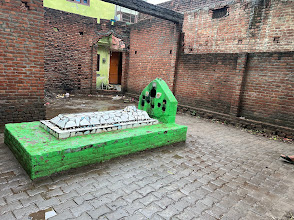
The Dargah Hazrat Muhammed Hamid Makki Chisti Sabiri (R.A.) is a revered Sufi shrine in Mohammadi Sarai, Fazalpur village, Amroha district, Uttar Pradesh, India. Dedicated to the Chishti Sabiri saint Hazrat Muhammed Hamid Makki (R.A.), it embodies the principles of the Chishti order, emphasizing love, tolerance, and spiritual devotion.
The Dargah Hazrat Muhammed Hamid Makki Chisti Sabiri (R.A.) stands as a beacon of Sufi heritage in the rural heartland of Uttar Pradesh, reflecting the enduring legacy of the Chishti Sabiri branch of the Chishti order. This order, originating from the teachings of Khwaja Moinuddin Chishti in the 13th century, branched into the Sabiri lineage through Alauddin Sabir Kaliyari (d. 1291 CE), emphasizing asceticism, devotion to God, and service to humanity. Hazrat Muhammed Hamid Makki (R.A.), a 19th-century scholar and spiritual guide in this tradition, is venerated for his piety and contributions to Islamic mysticism in the Amroha region, drawing devotees seeking blessings for spiritual enlightenment and communal harmony. Established in the late 19th century amid the socio-religious landscape of colonial India, the dargah complex was built to honor Hazrat Muhammed Hamid Makki's life and teachings. Historical records from Chishti Sabiri genealogies indicate its construction around the 1870s, shortly after his passing, as a simple yet sacred enclosure for his tomb (mazar). The site quickly became a focal point for local Muslims, fostering interfaith respect in a diverse area. The dargah's architecture, typical of regional Indo-Islamic style, features whitewashed walls, arched entrances, and a serene courtyard, symbolizing humility and introspection central to Sufi practice. Central to the complex is the mosque, known as Masjid Hazrat Muhammed Hamid Makki, which serves as the primary place of worship. Constructed concurrently with the dargah in the 19th century, the mosque is a modest single-domed structure built from local brick and lime mortar, with intricate jaali (lattice) screens for ventilation and aesthetic appeal. It accommodates congregational prayers, particularly Jumu'ah (Friday) services, and hosts qawwali sessions during Urs celebrations commemorating the saint's death anniversary. The mosque's mihrab (prayer niche) bears simple Quranic inscriptions, underscoring the Chishti emphasis on tawhid (oneness of God) and inner purification. Unlike grander urban mosques, this one prioritizes functionality and spiritual intimacy, aligning with the Sabiri tradition's avoidance of ostentation. It remains a vital community hub, where daily namaz (prayers) and Ramadan iftars promote social cohesion in Fazalpur village. The dargah and mosque together preserve verified elements of Chishti Sabiri history, including relics like embroidered chadars (offerings) and manuscripts of the saint's discourses on fiqh (Islamic jurisprudence) and tasawwuf (Sufism). Devotees visit for ziyarat (pilgrimage), tying threads at the mazar for wishes, a practice rooted in the order's folk traditions. The site's cultural value lies in its role during India's freedom struggle, where it sheltered scholars promoting non-violent resistance inspired by Sufi ethics. Today, it continues to draw pilgrims, reinforcing Amroha's historical ties to Sufism, as documented in regional waqf records and Chishti genealogies.
Year of Built: Not Available
Address: 244, Fazalpur, Amroha, Uttar Pradesh 244221
Country: India
State: Uttar Pradesh
District: Amroha
Pincode: 244221
Longitude: 78.467° E
Latitude: 28.904° N