
Indo Islamic Heritage


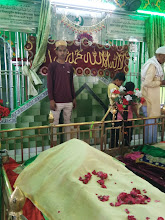
Meera Baba Jainka Baba Dham, located in Fazalpur village near Amroha, Uttar Pradesh, is a revered Sufi shrine dedicated to the 17th-century saint Meera Baba (also known as Sheikh Saddo) and his associated spirit Zain Khan (referred to as Jainka Baba or Zainka Veer). This historical Islamic site symbolizes interfaith harmony, attracting devotees from Hindu, Muslim, Sikh, and other communities for prayers, healing rituals, and wish fulfillment. The shrine is part of a multi-religious complex that includes elements of Sufi veneration, with annual Urs celebrations commemorating the saint's legacy. It features a tomb (mazar) and is situated within the Vasudev Mandir premises, emphasizing shared spiritual practices.
Meera Baba Jainka Baba Dham stands as a poignant example of India's syncretic Sufi traditions, where Islamic spirituality intertwines with local folk beliefs to foster communal devotion. Situated in the rural village of Fazalpur, just 3 km from Amroha town in Uttar Pradesh's Jyotiba Phule Nagar district, this shrine honors Meera Baba, a Sufi saint from the Mughal period whose life and posthumous powers are central to its lore. Historical accounts trace Meera Baba—also identified as Sheikh Saddo—to the late 17th century, a time when Sufi orders flourished under Mughal patronage. He is believed to have migrated or settled in the region during Aurangzeb's reign (1658–1707), gaining renown for his spiritual prowess, including mastery over jinns (supernatural spirits) and miraculous interventions in daily life. The saint's association with Zain Khan, a powerful jinn under his control, forms the dual focus of the shrine: Meera Baba as the benevolent guide and Jainka Baba as the protective warrior spirit, invoked for warding off evil and granting boons. The shrine's origins lie in the 1680s, when Meera Baba's tomb was established following his death, marking the site's transformation into a pilgrimage center. By the 18th century, it had evolved into a hub for Sufi practices, drawing from the Chishti and other orders that emphasized love, tolerance, and divine unity (wahdat al-wujud). Mughal Emperor Alamgir II (r. 1754–1759) is said to have acknowledged the saint's influence, though direct endowments are more linked to earlier periods. The current dargah complex, rebuilt in the mid-20th century to handle increasing footfall, includes the mazar sharif (sacred tomb) of Meera Baba, a separate shrine for Jainka Baba, and ancillary structures for rituals like sandal mubarak (perfuming ceremonies) and urs observances. These events, held annually on dates aligned with the Islamic lunar calendar (such as the 29th of Muharram for martyrdom commemorations), see thousands gathering for qawwali, Quran recitations, and collective prayers, underscoring the site's role in preserving Islamic devotional culture. Architecturally, the shrine adheres to traditional Sufi dargah styles with a simple yet evocative design: a domed mausoleum adorned with Islamic calligraphy invoking divine mercy, surrounded by a courtyard for communal gatherings. Inside, devotees offer chadars (embroidered cloths) and perform fatiha (prayers), seeking intercession for health, fertility, and prosperity—miracles attributed to the saint's enduring spiritual authority. The integration with the adjacent Vasudev Mandir highlights the site's unique interfaith character; while rooted in Islamic Sufism, it accommodates Hindu rituals like prasad preparation and aarti, reflecting how Meera Baba's legacy transcends religious boundaries. Local traditions describe the saint's power over jinns as a metaphor for overcoming adversity, with Jainka Baba's shrine specifically revered for protection against malevolent forces. Today, the dargah remains a vital Islamic heritage site, managed under community trusts that ensure its upkeep through waqf endowments.
Year of Built: Not Available
Address: WF77+98W, Vasudev Rd, Fazalpur, Amroha, Mohammadpur Jati, Uttar Pradesh 244221
Country: India
State: Uttar Pradesh
District: Amroha
Pincode: 244221
Longitude: 78.4638° E
Latitude: 28.9130° N