
Indo Islamic Heritage


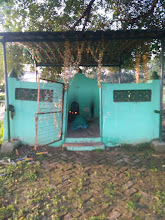
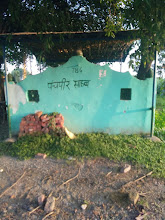
Dargah Panch Peer Shahab, also known as Hazrat Imamuddin Aulia Dargah, is a revered Sufi shrine in Barkhera Sadat village, Amroha district, Uttar Pradesh, India. Dedicated to the 13th-century Sufi saint Hazrat Syed Hussain Sharfuddin Shah Wilayat Naqvi (commonly referred to as Shah Wilayat or Panch Peer Shahab), it serves as a significant Islamic historical site attracting devotees for prayers and spiritual solace. The shrine is part of the ancient Naqvi Sadat settlement in Amroha, established since 1190 CE, and embodies Sufi traditions of devotion and communal harmony.
The Dargah Panch Peer Shahab, formally recognized as the Hazrat Imamuddin Aulia Dargah or the shrine of Hazrat Syed Hussain Sharfuddin Shah Wilayat Naqvi, stands as a poignant testament to India's rich Sufi heritage within the Naqvi Sadat community of Amroha. Located in the quiet village of Barkhera Sadat, this Islamic site is nestled in the historic landscape of Uttar Pradesh, where Naqvi Sayyids—descendants of the Prophet Muhammad through Imam Ali Naqi—settled as early as 1190 CE after migrating from Wasit, Iraq. The dargah itself honors Hazrat Syed Hussain Sharfuddin Shah Wilayat Naqvi, a prominent 13th-century Shia Sufi saint born in 1216 CE and who attained spiritual prominence during the Delhi Sultanate era. Known locally as Panch Peer Shahab or Shah Wilayat, he is celebrated for his piety, scholarly contributions to Islamic mysticism, and legendary miracles, including the belief that scorpions and other creatures at his shrine pose no harm to visitors, symbolizing divine protection. Constructed around the mid-13th century (circa 1250 CE) over the saint's mausoleum shortly after his passing in 1284 CE, the dargah features traditional Sufi architecture with a simple yet serene tomb structure, often adorned with intricate Islamic calligraphy and motifs reflecting Naqvi lineage. As a key mosque and shrine complex, it includes prayer halls (masjids) where devotees perform namaz and engage in zikr (remembrance of God), upholding the Chishti and Naqshbandi influences prevalent in the region. The site's historical significance is tied to Amroha's role as a military and spiritual hub during the Mughal period, where Amrohi Sayyids, including the saint's descendants, served as gentry and defended the area against invasions, such as those by the Marathas in the 18th century. This resilience preserved the dargah as a beacon of faith amid turmoil. Today, the dargah remains a focal point for Islamic worship, drawing pilgrims for its annual Urs (death anniversary) celebrations, which feature qawwali sessions, communal prayers, and offerings at the mazar (tomb). It exemplifies the syncretic Sufi ethos of tolerance, with the mosque serving as a space for reflection on the Quran and Hadith, while the shrine fosters a sense of spiritual unity. Accessible via the Moradabad-Amroha highway, the site continues to preserve verified historical elements of Islamic spirituality in northern India, emphasizing devotion over ostentation.
Year of Built: Not Available
Address: XC36+66X, Village- Barkhera Sadat, Post-Gajasthal, District-Amroha, Kherka, Mill Road, Katai
Country: India
State: Uttar Pradesh
District: Amroha
Pincode: 244221
Longitude: 78.4692° E
Latitude: 28.9025° N