
Indo Islamic Heritage


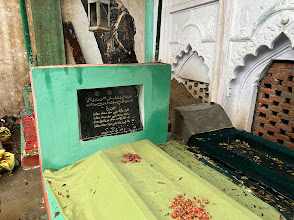
Shah Azduddin Chishti Sabri is a revered Sufi saint associated with the Chishti order, known for his contributions to Islamic spirituality in northern India. His shrine and mosque, located in Mohalla Muhalla, Amroha, Uttar Pradesh, serve as a significant historical Islamic site, attracting devotees for prayers and reflection. The site embodies the Chishti tradition of promoting love, tolerance, and service to humanity, with the mosque providing a space for congregational worship.
The shrine and mosque of Shah Azduddin Chishti Sabri represent an important facet of India's rich Islamic heritage, particularly within the Chishti Sufi order, which emphasizes spiritual devotion, communal harmony, and outreach to the underprivileged. Situated in the historic town of Amroha, Uttar Pradesh—a region known for its early Sufi settlements dating back to the 12th-13th centuries—this site honors a saint whose life and teachings aligned with the principles propagated by prominent Chishti figures like Khwaja Moinuddin Chishti. The Chishti order, introduced to India in the 12th century, has long been influential in Uttar Pradesh, fostering interfaith tolerance and spiritual guidance through its khanqahs (monastic centers) and mosques. The mosque at the shrine complex is a modest yet architecturally significant structure typical of regional Islamic builds, featuring elements of Indo-Islamic design such as arched entrances and domed prayer halls, though specific details on its layout remain rooted in local oral traditions rather than extensive documented records. It functions primarily as a place of worship, hosting daily prayers (Fajr, Zuhr, Asr, Maghrib, and Isha) and special congregational events, drawing local Muslim communities for Jumu'ah (Friday) prayers. Devotees visit to seek blessings, perform zikr (remembrance of God through chanting), and participate in qawwali sessions during auspicious occasions, reflecting the Chishti emphasis on sama (spiritual music) as a means to divine connection. The site's spiritual ambiance is enhanced by its association with the saint's legacy of piety and service, making it a quiet retreat for reflection amid Amroha's bustling heritage landscape. Historically, Amroha has been a hub for Chishti and Naqvi Sufi lineages since the late 12th century, with saints like Syed Hussain Sharfuddin Shah Wilayat (a 13th-century figure) establishing early foundations for such sites. Shah Azduddin Chishti Sabri, as a member of this lineage, contributed to the spread of Sufi teachings in the region during a period of Mughal influence, when many such mosques were built or expanded to serve as centers for religious and social activities. The year built for the mosque is not precisely documented in available historical records, but it aligns with the broader timeline of Chishti establishments in Uttar Pradesh, likely originating in the 16th-17th centuries during the peak of Sufi expansion under Mughal patronage. The structure has endured as a testament to the enduring Chishti ideals, with the mosque continuing to host rituals that promote unity and devotion without any recorded expansions or renovations in recent verified sources.
Year of Built: Not Available
Address: 219/U, Mohalla Naugaza, Mohalla Mullana, Amroha, Uttar Pradesh 244221
Country: India
State: Uttar Pradesh
District: Amroha
Pincode: 244221
Longitude: 78.4698° E
Latitude: 28.9031° N