
Indo Islamic Heritage


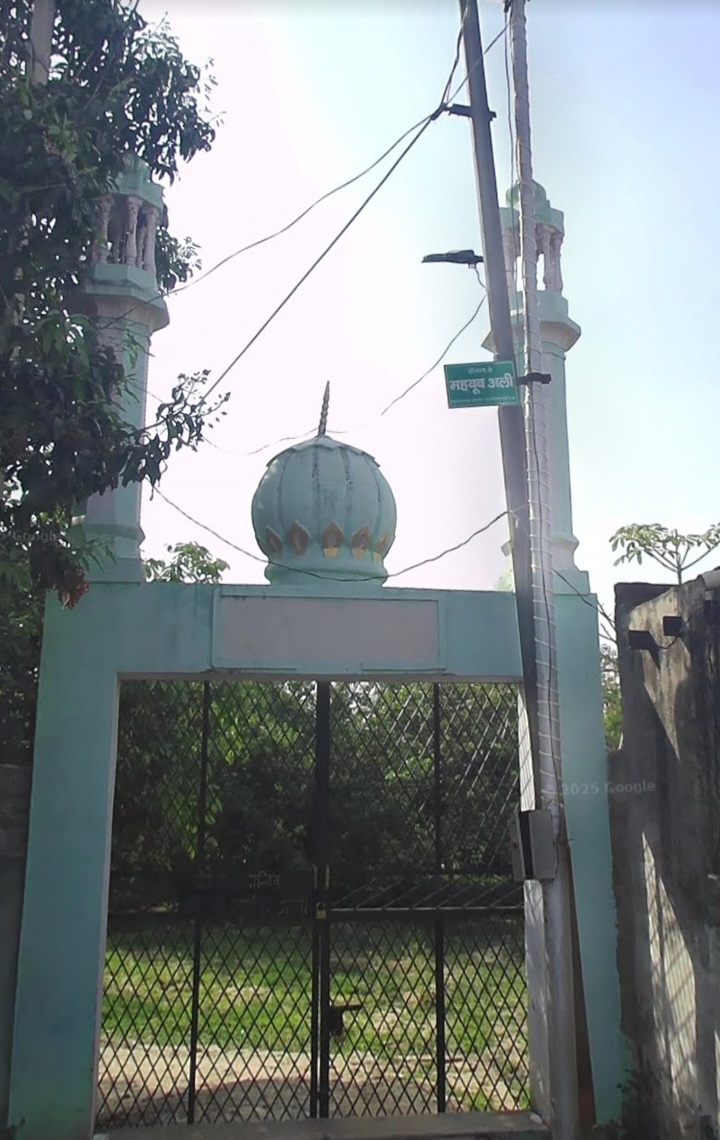
The Dargah of Hazrat Syed Hussain Sharfuddin Shah Wilayat (also known as Hazrat Shah Wilayat or Dada Shah Wilayat), located in Islam Nagar, Amroha, Uttar Pradesh, is a revered Sufi shrine and mosque complex dating back to the 14th century. Built over the tomb of the saint, a Naqvi Sayyid descendant of Imam Ali al-Naqi al-Hadi, it exemplifies early Indo-Islamic architecture and serves as a center for spiritual devotion. The site is famous for its non-aggressive scorpions, a legendary miracle attributed to the saint's piety, and attracts pilgrims from diverse faiths seeking blessings. The mosque features traditional elements like mihrabs and domes, with the shrine emphasizing universal love and harmony.
The Dargah of Hazrat Syed Hussain Sharfuddin Shah Wilayat stands as a profound testament to India's rich Sufi heritage, embodying the spiritual legacy of one of the earliest Naqvi Sayyid settlements in the subcontinent. Situated in the historic town of Amroha, this shrine and mosque complex was established following the saint's death in 1339 CE (21 Rajab 739 AH), after his arrival in the region around 1272 CE (670 AH) during the Delhi Sultanate under Sultan Ghiyasuddin Balban. Hazrat Shah Wilayat, born to Syed Mira Ali Buzurg and Bibi Umme Habiba in Wasit, Iraq, migrated to India via Multan to escape Abbasid persecution, settling in Amroha (then known as Qasba Azizpore). Trained in Quranic studies and Hadith by his father, he later received spiritual guidance from revered Sufi masters, including Syed Jalaluddin Surkh-Posh Bukhari and Maulana Nasihuddin Suhrawardi, earning him the domain between the Ganges River and Kumaon Hills for preaching. His life of asceticism, marked by meditation in the Kumaon Hills (earning him the title Peer Pahari, or Saint of the Hills) and a seven-year Hajj in Mecca, emphasized universal love, respect, and simplicity, influencing followers across faiths. The shrine's construction began shortly after the saint's passing, with the tomb built over his grave in what is now Islam Nagar, a locality reflecting Amroha's Islamic historical roots. The complex includes the main mausoleum, a mosque for congregational prayers, and adjacent tombs, such as that of his daughter Bibi Baqia-ut-Tahirah (Bibi Bakhuhi), known for her piety. Architecturally, it follows the Suhrawardi Sufi tradition with simple yet elegant features: a central open-roofed mausoleum supported by marble pillars, a cloth canopy over the unusually large grave, and a prayer hall with mihrabs aligned for qibla. The mosque, integral to the dargah, accommodates worshippers with arched entrances and basic domes, serving as a space for daily namaz and Sufi gatherings. Over centuries, Mughal patrons like Emperor Babur honored the saint with the title "Danishmand" (wise one), leading to expansions in the Danishmandan area, where the saint resided. The site's enduring miracle—scorpions that do not sting visitors, even if taken away temporarily with permission—symbolizes the saint's protective spiritual power, a phenomenon documented since his lifetime and verified by pilgrims and historians. Annually, the Urs (death anniversary) on 21 Rajab draws thousands for qawwali, recitations, and communal prayers, fostering interfaith harmony in Amroha, a town where Hindus and Muslims have coexisted peacefully for centuries. The dargah's role in the broader Sufi movement is understated in major texts due to the saint's preference for rural austerity over royal centers like Delhi, yet it remains a vital Naqvi hub, with descendants forming the Sadaat Amroha community. Today, it continues as a beacon of tolerance, with no formal hereditary succession (sajjada nashini), emphasizing direct devotion to the divine.
Year of Built: Not Available
Address: WF36+544, Islam Nagar, Amroha, Uttar Pradesh 244221
Country: India
State: Uttar Pradesh
District: Amroha
Pincode: 244221
Longitude: 78.4675° E
Latitude: 28.9075° N